
Watch on

Written & Directed by Ali Cook
Produced by Ross Williams & Matthew James Wilkinson
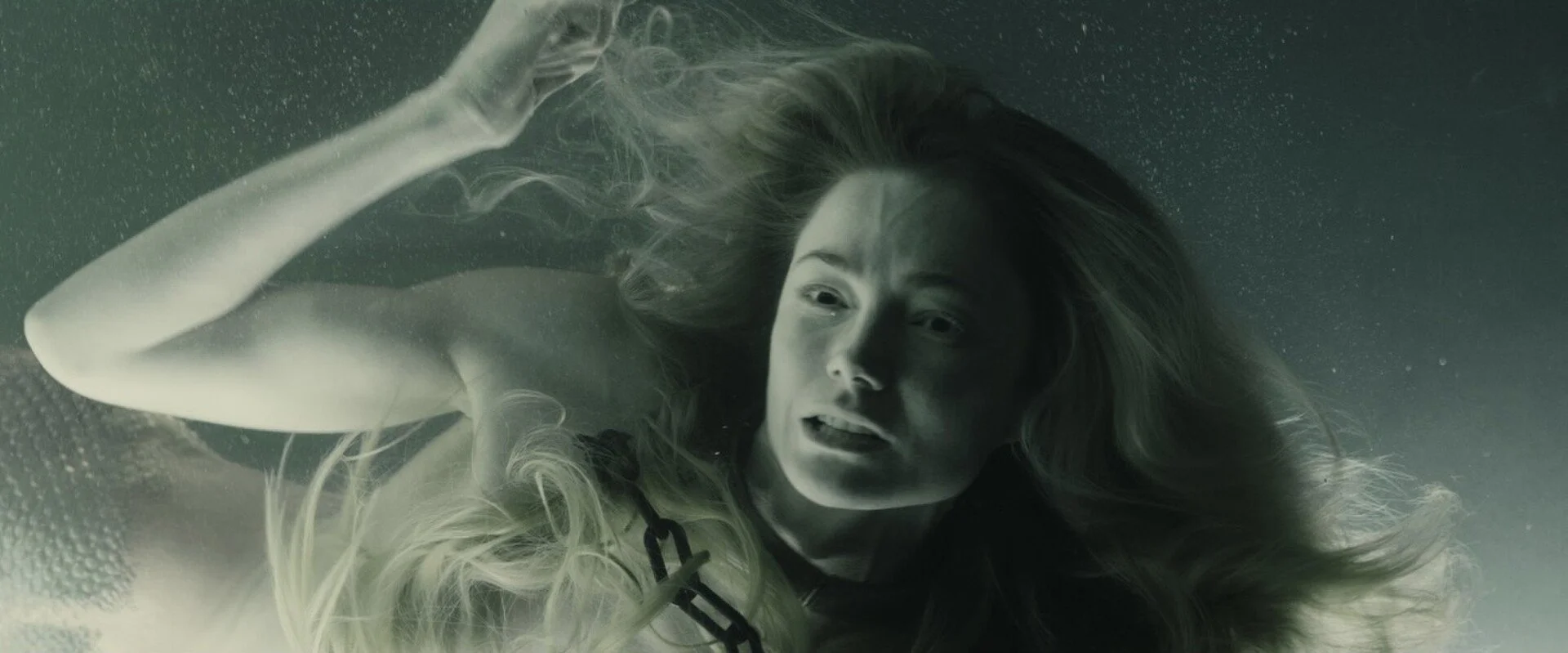
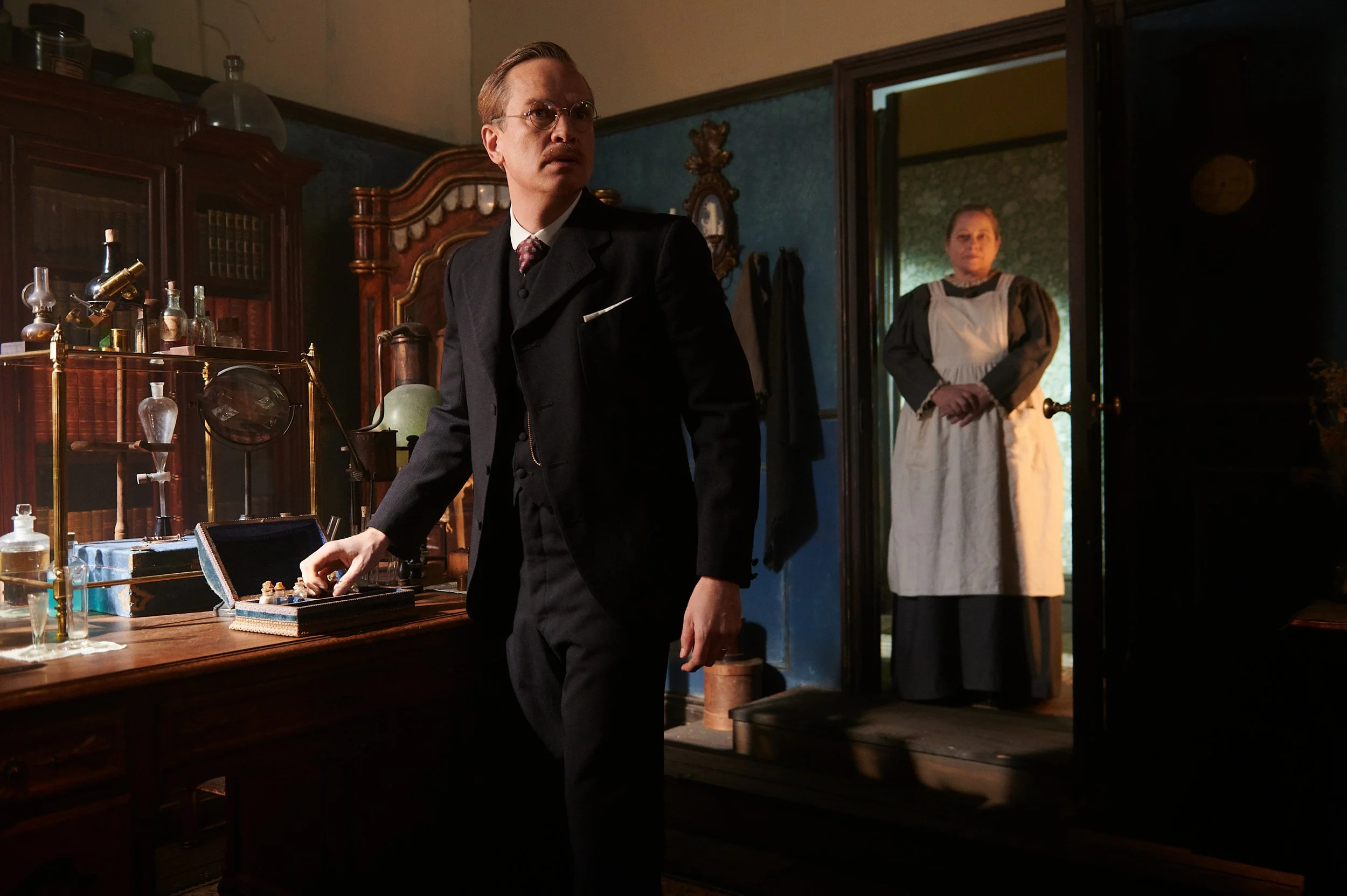
In 1893, a fisherman’s wife becomes the first person to cure someone of tuberculosis. A doctor, intent on proving a woman’s place is in the home and not practising medicine, investigates - only to discover the source of her unearthly power.
ABOUT THE FILM
The Pearl Comb was an Official Selection at our 2025 BIFA Qualifying Kino London Short Film Festival, having been nominated for 6 awards, and winning Best Production Design and Best Cinematography.
It premiered at FrightFest and Tampere, making quite a dent in the festival circuit. Highlights include winning a Méliès d’Argent Award – Best European Fantastic Short Film at Grossmann Fantastic Film and Wine Festival, winning Best Cinematography & Best Horror Short at Flickers Rhode Island’s Vortex, winning Best After Hours Short at Cleveland International Film Festival, and many, many more…
The film was recently Oscar Shortlisted and BAFTA Longlisted.
ABOUT THE FILMMAKER
The Pearl Comb follows Cook’s BAFTA-longlisted short The Cunning Man, which screened at 88 international festivals, including Cinequest, FrightFest, Cleveland, and the BAFTA- and BIFA-qualifying Norwich Film Festival, winning 33 awards and earning a Méliès d’Argent nomination.
Cook first broke out as a writer-performer with seven of his own comedy series, including Channel 4’s Dirty Tricks, which was nominated for a British Comedy Award. As an actor, he is known for playing Sgt. Paul McMellon in the BAFTA-nominated Kajaki and as series regular DCI Simmons in Ragdoll for AMC/BBC One. He will soon appear as Ben in Channel 4’s Falling, written by Jack Thorne.
Cook’s next directorial project will be the feature The Grimoire, co-written with Eric Garcia (showrunner of Netflix’s Kaleidoscope) and produced by Chris Curling at Zephyr Films. Curling has produced more than 60 films, including Oscar-nominated The Last Station, starring Helen Mirren, Christopher Plummer and James McAvoy, and The Miracle Club with Maggie Smith and Kathy Bates.
READ OUR INTERVIEW WITH ALI

Hi Ali!
We're excited to be featuring The Pearl Comb as our Weekly Pick. Not only because it's Oscar Shortlisted and BAFTA Longlisted, but because it's a film that we believed in even before its recent success.
Can you tell our audience a bit about yourself and all the hard work tha’s led to this point?
Originally, and for a long time, I was a professional magician. I was very lucky to be on TV as a magician, which is like the holy grail for most of us. I ended up making seven TV series for a company called Objective Productions. My old boss there was Andrew O’Connor who famously invented Peep Show; he’s a very clever TV producer. One day whilst we were making a TV series, he said: “You know I think you’d be a good actor.” And the cameraman said: “I think you’ve got a good face to be a villain”. These comments kind of stuck with me so I started acting, kept writing and here I am.
Tell us about the genesis of The Pearl Comb. Where did the idea come from and how did you develop that idea into the short that’s now made its way out into the world?
I’ve always wanted to portray mermaids authentically, as brutal killers like in the original folk tales, not as Disney princesses.
Then I heard the true story of the Edinburgh Seven: The first seven women to qualify as doctors in the UK. The medical profession did everything they could to stop them from practicing and the female doctors of that time had to come up with inventive lies to justify the work they were doing by claiming to be midwives or natural healers.
It felt like the right time to bring these stories together - especially now, when there’s a bigger conversation happening around gender, power, and the way women have historically been overlooked, misunderstood, or even seen as threatening or strange, just for being different.
What were some of the main obstacles you experienced during the making of the film?
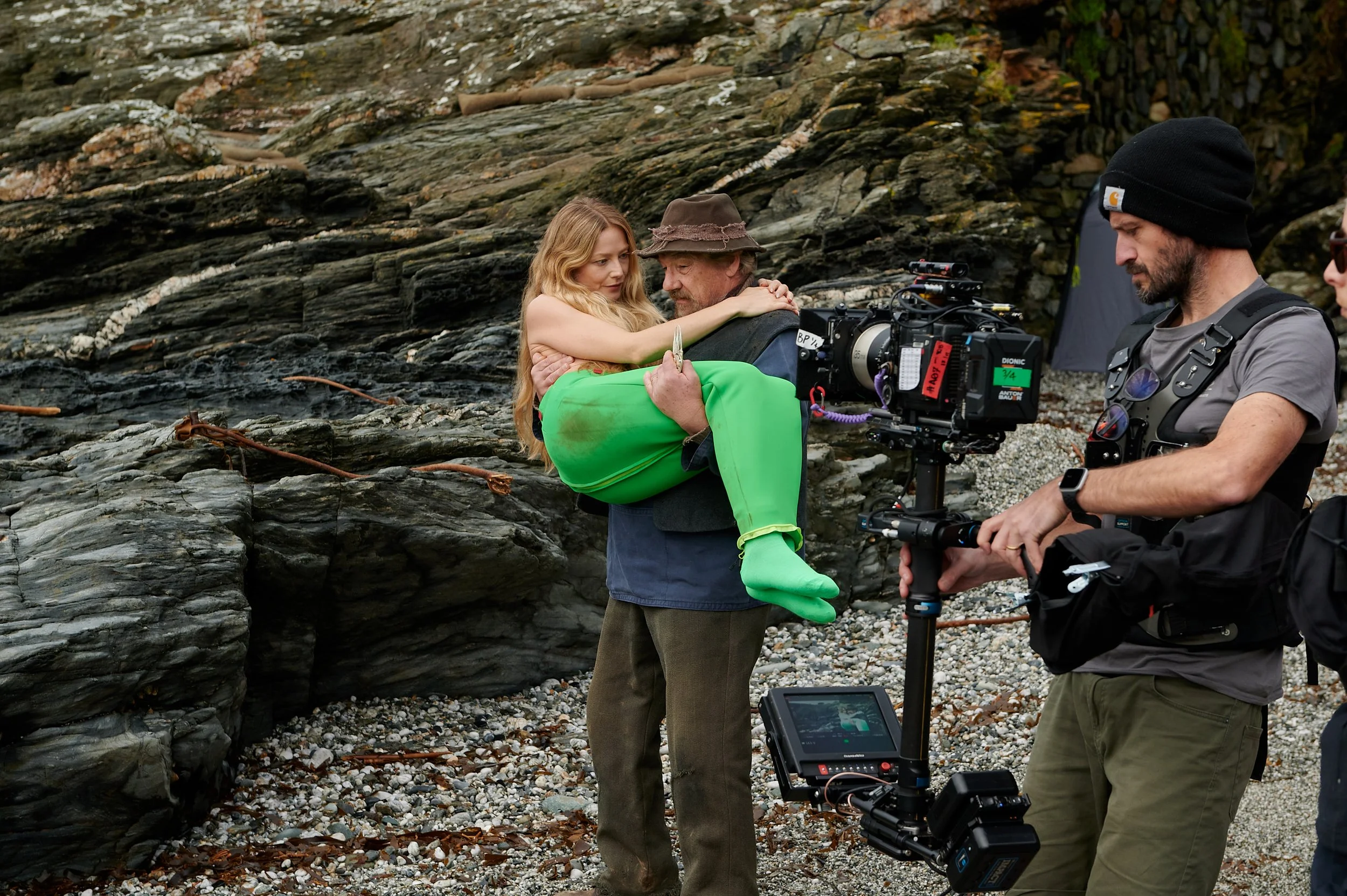
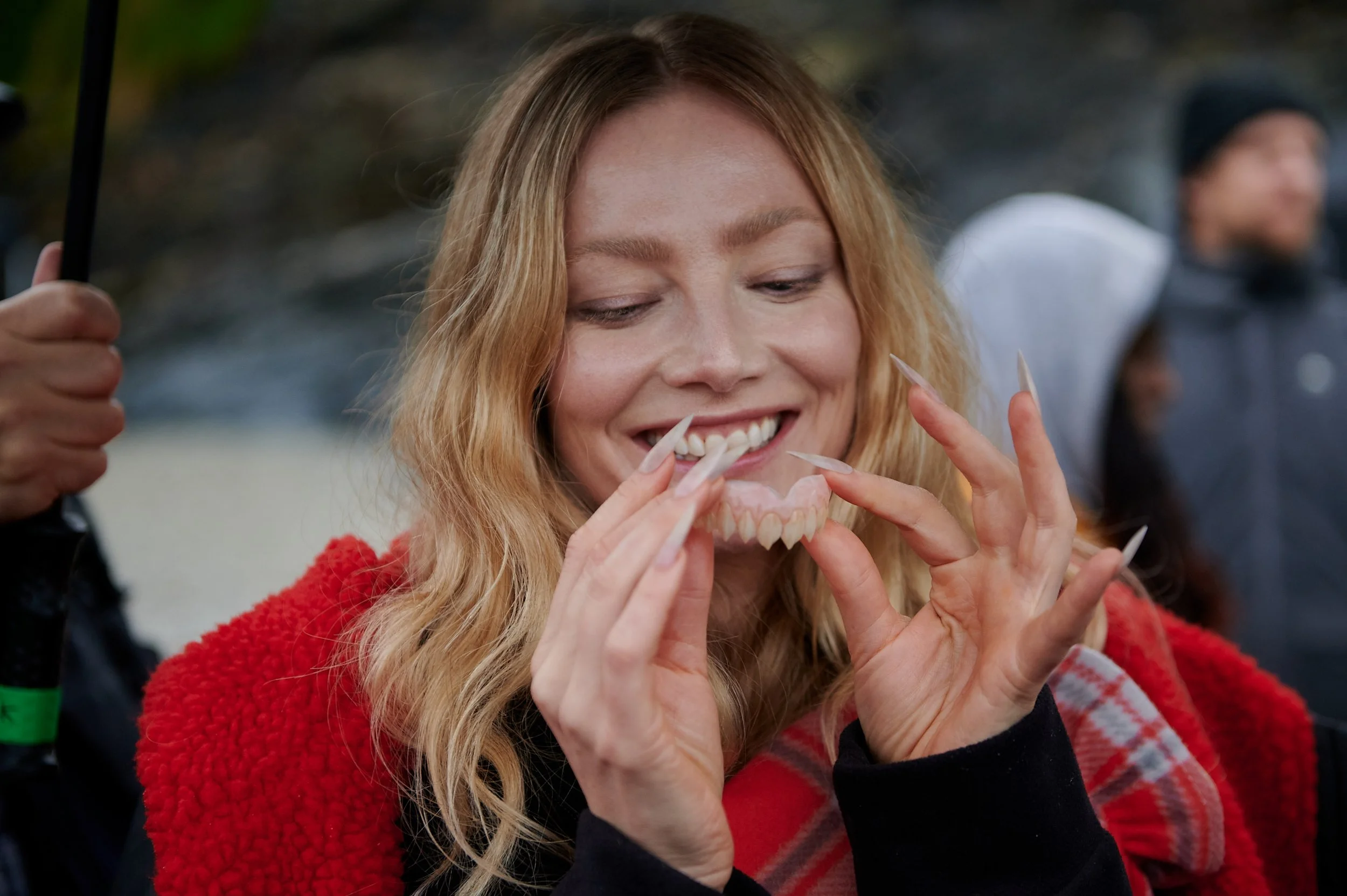
Creating a convincing mermaid on screen!
Also, the mermaid shooting out of the water during the boat scene springs to mind. It’s such a pivotal scene and the sequence was shot in a studio, with all the water effects achieved digitally. The challenge of creating that moment, making the digital effects blend seamlessly with the performance, gave me a whole new appreciation for how visual storytelling can transform a scene.
How did you overcome them?
It took months of discussion and inventive work with the SFX and VFX teams. I had to trust my imagination and the brilliance and experience of the team. When you believe in your instincts and you surround yourself with people who bring their own spark, the work starts to flow naturally.
Can you talk a bit about your process and how you balanced your performance with your role as director?
Preparation was crucial for me so that once I was in front of the camera, I could fully focus on the performance. I also found it invaluable to have someone I trust watching the monitor and giving me feedback, which I did.
Being an actor myself, I know how vulnerable it feels when all eyes are on you. Therefore, I know the best approach is to constantly reassure your actors and give them encouragement. Strangely, being in the ring with the other cast makes it feel more like a team effort for me, as if we’re all in it together. It really works well.
Who was the first collaborator to come on board the project and how did their early adoption help propel you forward?
Our storyboard artist Daniel O’Donnell-Smith and Koala FX.
We knew from the outset that the project would involve a significant amount of VFX, so it made sense for us to get to grips with this early on. Having a tight shot list allowed us to have conversations with Koala at an early stage and work out how to approach the work as economically as possible while still giving the story what it demanded.
Can you chat about your producers Ross and Matthew, how they came aboard the project and what they brought to the table?
I first met Ross on a short film I wrote called The Cunning Man. He did such a fantastic job that I knew I wanted to collaborate with him again on this project. When Ross had to jump on to the series Funny Woman, Matt Wilkinson came on board.
I’ve known Matt for years and have acted in several of his films. Even though this project was a short, he treated it the same as a feature and held me accountable to a tight shoot and post-production schedule. It really felt like I was responsible for delivering and that was a good push.
If I’ve done my research correctly, I believe you premiered at FrightFest, yes? How was that experience?
Yes, FrightFest was our first screening and UK premiere. Being recognised by one of the world’s top-reviewed genre festivals means so much. Genre films often push boundaries and take risks, and to have our work acknowledged in that space was so exciting.
At the same time, we premiered at Tampere Festival in Finland which is known for high-end art-house cinema. So, it was an honour to play both on the same weekend.
A lot of filmmakers believe they need to hit the world’s top festivals first. They often blow their submissions budget in the Sundance level festivals, and they wait to submit to (or skip altogether) second tier/genre/community festivals. But that doesn’t seem to be the approach you took.
The Pearl Comb has played quite a range of festivals, almost like working your way up the circuit. Can you chat about the approach you took to festival submissions?
I worked with Rebekah at Film Festival Doctor and trusted her strategy. We mainly hit the genre festivals first. When we started getting reviews that this is just as much a drama as a fantasy, we showed it to the drama festival organisers to expand the range of festivals. We just wanted to get it as far and wide as possible. Anything else was a bonus.
The festival circuit is a whiplash whirlwind - doldrums of rejection vs peaks of awards.
Most filmmakers can’t help but to compare themselves to their peers since we all advertise our successes on social media, but oftentimes keep our struggles hush-hush.
During your festival journey, what has been the hardest pill to swallow, and how did you keep going despite that setback?
I’m also a stand-up comedian, and the experience of trying out brand-new material is very similar and can feel quite scary! Ultimately, you have to say that new joke on stage and the audience either love it or they don’t. It’s the same with a short film. The overall motivation to keep going is that when it does kick in, it’s the greatest feeling in the world!
And now the question everyone has been waiting for... How did you manage to get your film released on Disney+ in multiple countries?
By the time the film had built momentum on the festival circuit, we already felt very happy with where things were. Then I came home one day to an email with an offer to stream on Disney which was completely unexpected. All interest is fantastic, but this was especially exciting.
What do you think are the biggest challenges facing emerging filmmakers at the moment, and as someone who’s been able to cut through the noise, what advice would you give to those hoping to follow in your footsteps?
My advice would be to get the story right first within the genre you are trying to master. Even if it’s a film you make on your iPhone with a budget of £500; if it’s a great story with great dialogue it doesn’t matter. The number one issue is people often shoot something where they have a premise or a theme, but no real story or ending.
What aspirations do you have for what’s next?
I have a supernatural horror feature, The Grimoire, in pre-production with Zephyr Films so we’re heading full steams towards that!
How helpful has The Pearl Comb been in getting you on a trajectory of being able to actualise those aspirations?
This was the first film I’ve directed, and pardon the pun, I threw myself in at the deep end by taking on a high-end project with a lot of VFX. I wanted to see if I could handle that level of pressure. Now that I have that experience behind me, and with the encouraging response the film has received, I feel reassured both in myself and in showing others that I can do it again.
