
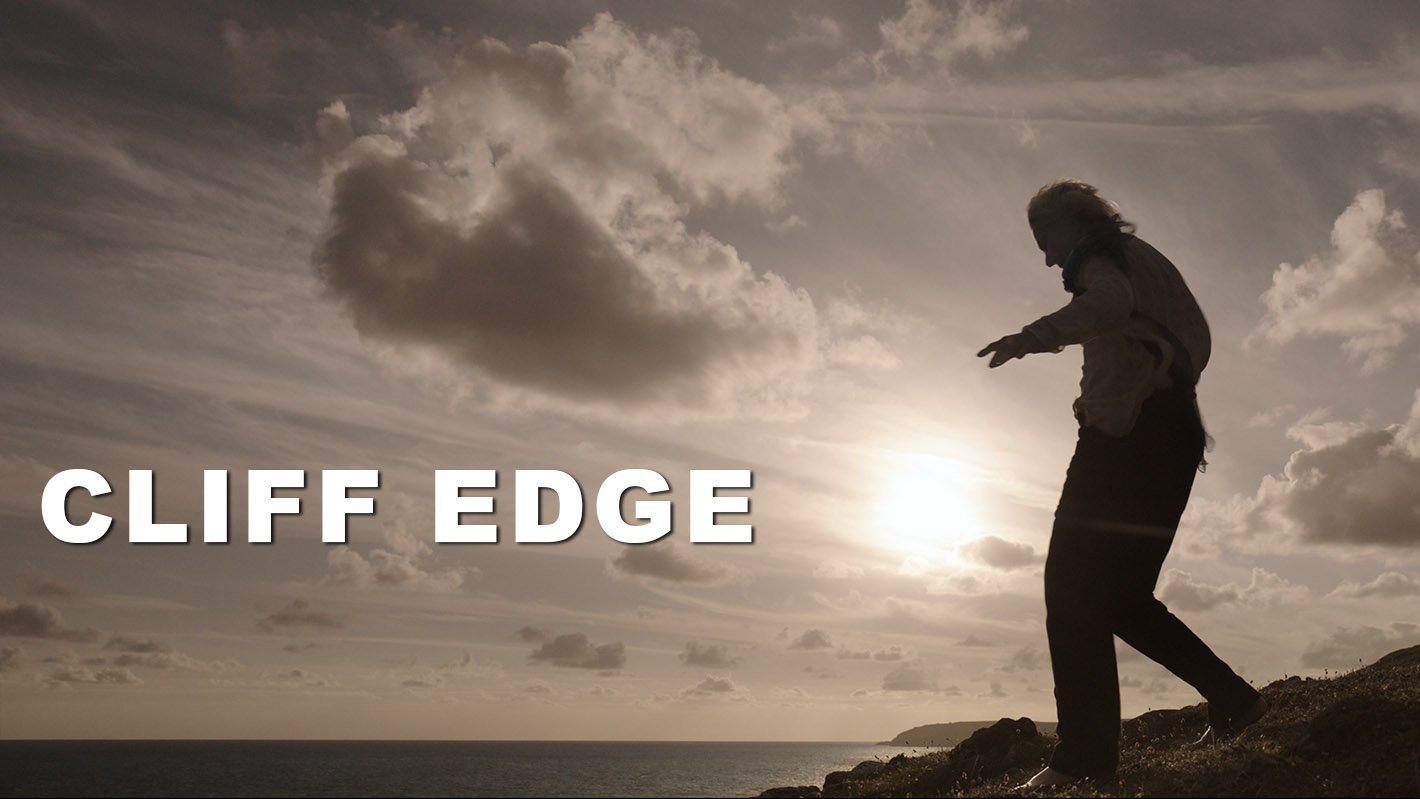
CLIFF EDGE
A woman’s search for her estranged daughter takes her to a seaside cliff tops where ghosts and reality intertwine.
Written & Directed by Ann Hawker
Produced by Ann Hawker & Shelagh McLeod
A woman’s search for her estranged daughter takes her to a seaside cliff tops where ghosts and reality intertwine.
ABOUT THE FILMMAKER
Ann works across drama and documentary as an award-winning director and writer. She has delivered landmark single films for international broadcasters including BBC, Channel 4, ITV, CNN and Discovery. She is known for her thoughtful, sensitive direction bringing underrepresented voices to the screen. She was nominated for Best Director and Best Film in the Film the House Awards with her short film drama, Fly Free. Her film, Cliff Edge, won Best International Short in the Short Sweet Film Festival and Best Editing in the Francigena Film Festival. She won the JETS European co-production initiative with her feature project, An Austrian Holiday. The script was selected for the Academy Nicholl Fellowship top 50, the Writer’s Lab US, sponsored by Meryl Streep, the Red Planet Prize finals and was a winner in the Screen Writing Goldmine competition. Her previous drama shorts have shown at international and BIFA qualifying festivals. She wrote and directed a verbatim drama for Channel Four about smugglers and was commended in the Mental Health Awards for her documentary on bullied children.
READ OUR INTERVIEW WITH ANN
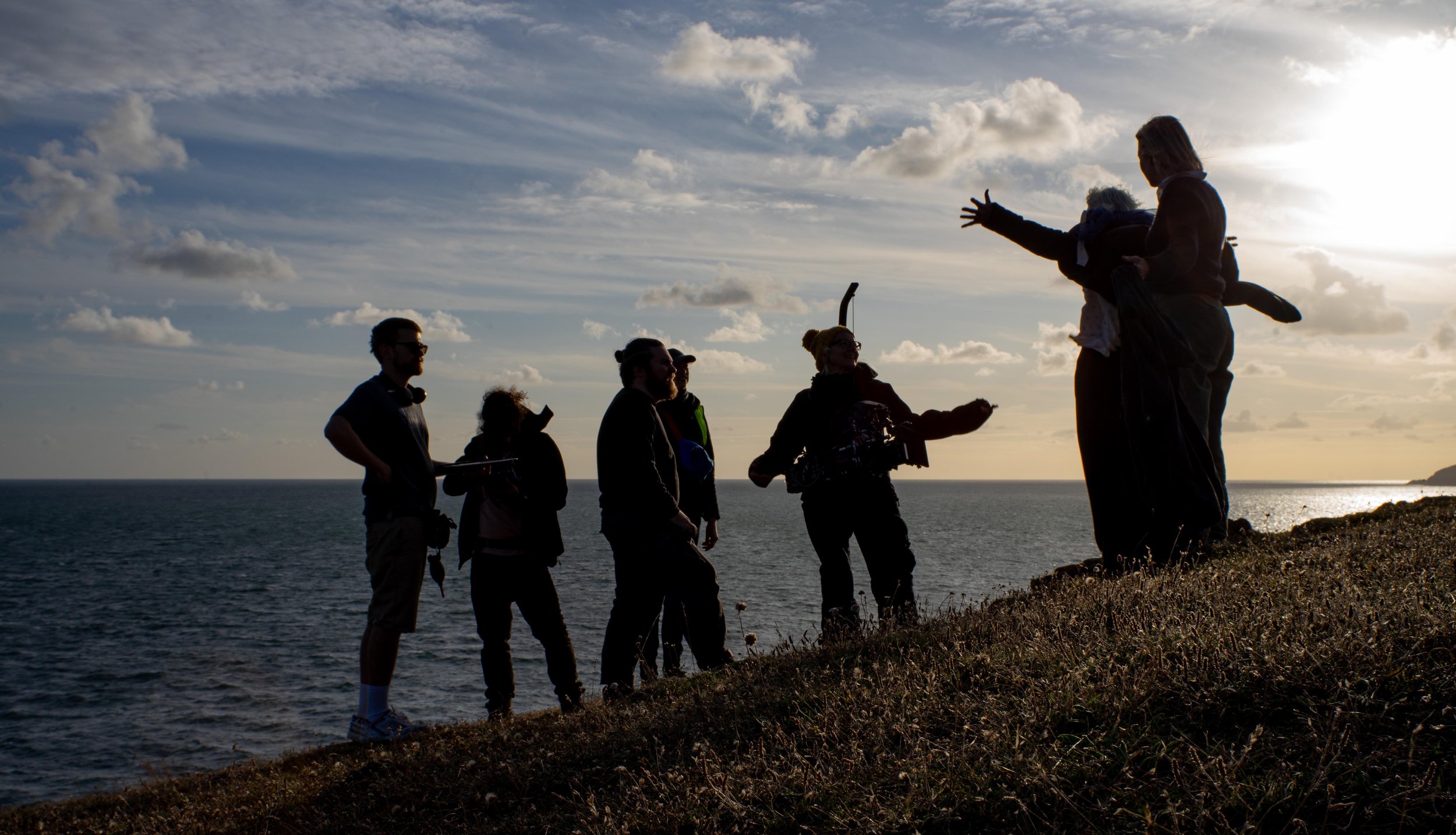
Welcome to our Weekly Pick! Let’s dive straight in.
Cliff Edge first caught our attention when you applied for Post-Production Funding during our Spring 2024 Funding Round. We shortlisted the project, and while ultimately we didn’t support the film with hard cash, we did come onboard to support with some in-kind services. First-off, good-on-ya for persevering in the face of not landing funding dollars.
Can you tell our readers a bit about your experience of being shortlisted?
Being shortlisted is exciting. Getting some external validation and support gave us all a boost on the project. As everyone knows, making a short film is a labour of love and can be challenging at times, so having someone from outside the project recognise its worth and give it support is always fantastic.
Can you chat about what in-kind support via Kino looked like for Cliff Edge?
We got a great festival strategy from Kino. Understanding what festivals, (out of the many hundreds out there), are worth-while entering can be challenging. Kino provided us with an extensive spread sheet of the festivals which would make the best fit for the film and a time-line for submission. It was great to have some insider knowledge about what individual festivals were looking for and which ones were right for Cliff Edge. Getting a bespoke festival strategy can be expensive and Kino’s input helped us save both time and money. It also gave us the chance to have a preview screening of the film in London which was great.
Now let's go back in time... Tell us a bit about the genesis of Cliff Edge.
Where did the idea come from?
The idea for Cliff Edge came from witnessing the loneliness of people, often older, who have become isolated and have lost contact with their families. Loneliness is widespread in the UK. Seven per cent of people suffer from chronic loneliness and nearly half of the population say they have experienced loneliness at some point. I know my own mother experienced loneliness as she got older, and I was not always there for her, so this film is a tribute to all the neighbours and carers who extend the hand of friendship to isolated people.
How did you develop that idea into the short that’s now made its way out into the world?
Working through several versions of the script I realised I wanted to make a film which was hopeful. I developed a relationship between the main character and her carer, and gave it a short film twist by turning it into a ghost story. Short films, are a massive team effort, and rely on a lot of good will to make them happen. Working with producer Shelagh McLeod and casting director Catriona Dickie we attached amazing cast; the esteemed stage actor Dearbhla Molloy and the BAFTA winner Anamarina Marinca. Finding the perfect location was the next hurdle, in the end we filmed in Swanage, Dorset, which had a fantastic traditional pier and beachfront, right by some beautiful cliff walks, and as an added bonus we were warmly supported by the local community. I was lucky to have a fantastic team onboard, including cinematographer Mary Farbrother, editor Julie Buckland, sound designer Dan Hibbert, and composers Sylvia Strand and Jonathan Gregory. I was pleased to have a female led team in many of the main creative roles. We also had invaluable help from both Focus Canning and Arri who supplied us with top end camera and lighting equipment. The final piece of the puzzle was the amazing support from Onsight post production and one of their senior colourists Emily Russul-Saib.
Can you tell us a bit about your festival journey with this film? The highs, the lows, the in-betweens.
All festival journeys are long and you will inevitably get rejected by some, which can be demoralising. It’s important to remember how many films are being entered into festivals and how competitive it can be. However, I was really thrilled by the warmth and fantastic screenings provided by the festivals that the film was selected for. Sadly, I couldn’t attend all the festivals. A couple of highlights include the Middlebury Film Festival in Vermont, amazingly well organised with fantastic audiences. Another was Purbeck Film Festival, which gave us the opportunity to take the film back to Dorset, close to where it was shot. The film was shown in the wonderful Rex Cinema in Wareham, one of Britain’s oldest cinemas, and it was a chance for local people involved in the film to come and see it on the big screen.
What advice or hacks would you give to other short filmmakers?
Preparation is key to keeping on time, and saving money. I extensively researched seaside locations from Kent to Dorset to find the right place. Eventually I found somewhere which had both iconic beach and pier as well as near by cliffs. The more you get the locations right, the less you need to spend on production design and art department. Keep your crew tight, but find the right balance. Both too few people and too many will slow you down! You need enough to be efficient with time, but not so many to break your budget or to become unwieldly. Have a targeted festival strategy, don’t waste your money on entering films into festivals which are unlikely to screen them.
What are you working on now?
I am currently working on another short and a feature film. The short is based on the real story of a man who met the killer of his twin brother. It’s a very emotional story, with a positive message about the power of restorative justice to heal.
Any film recommendations that we should add to our watchlist?
Rental Family, (2025) directed by Hikari, starring Brendan Fraser. It’s a Japanese film, a comedy drama, which is also about loneliness. Brendan Fraser plays the part of an American hired by a Japanese company that rents out family members and friends to people. It is a wonderful window into Japanese society and a really touching film.
Apply to get your short selected as our Weekly Pick
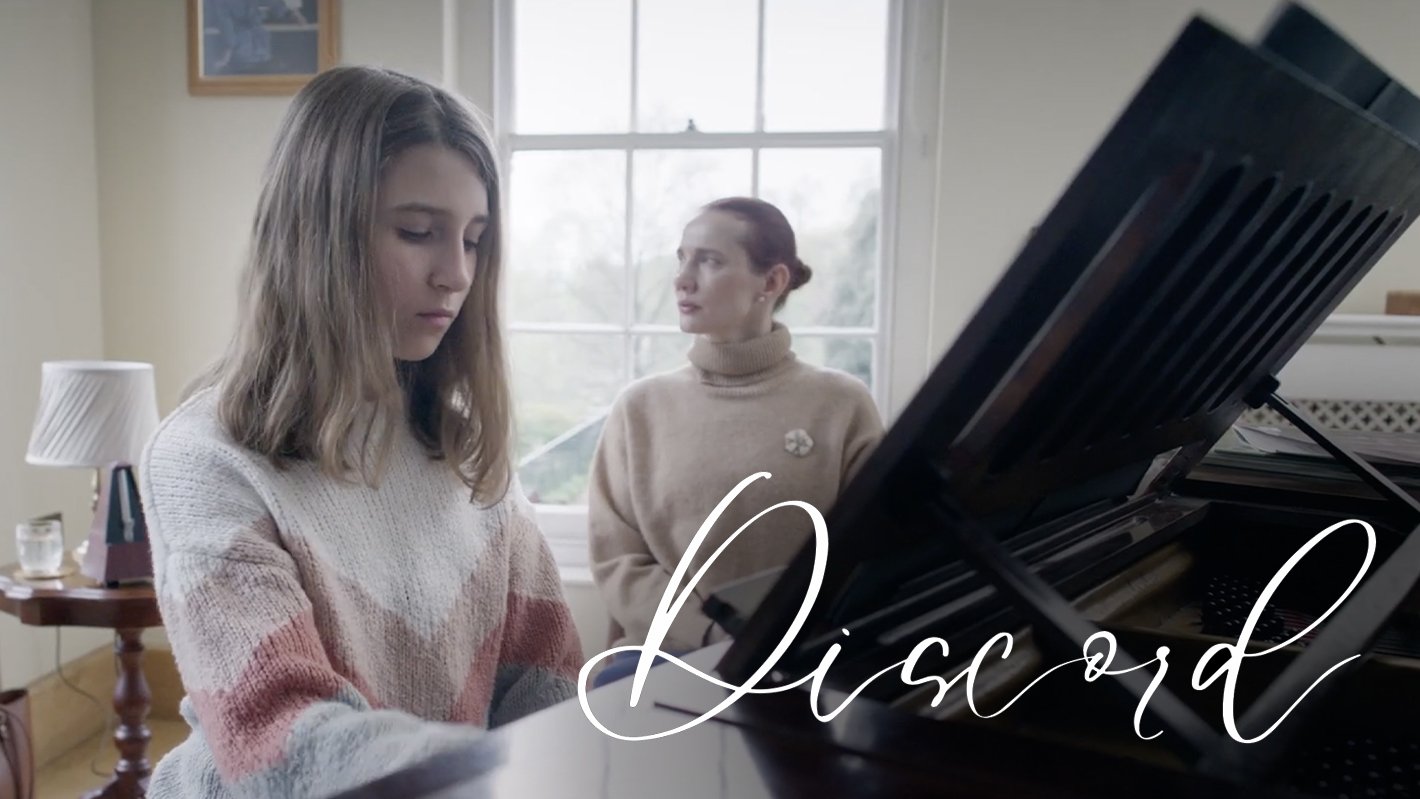
DISCORD
At a young girl's first lesson with a new piano teacher tensions rise.
Written & Directed by Jen Lim
Produced by Emily Bowyer
At a young girl's first lesson with a new piano teacher tensions rise.
ABOUT THE FILMMAKER
Jen first began filmmaking at the Beijing Film Academy before graduating with a degree in Film & TV from the University of Bristol. Her short films include the award-winning Apocalypse Anytime Now, supported by the Roundhouse and Ex-Animo Foundation, and the award nominated and BIFA-qualified Discord, winner of the Emerging Voices Film Foundation. Alongside writing and directing she crews on the sets of Film and TV. Jen attended Reykjavik International Film Festival’s Talent Lab in 2024 and is developing her debut feature with the inaugural Great Migrations development lab delivered by MilkTea and supported by the BFI Creative Challenge Fund. She is a member of BAFTA Connect, Cinesisters and Directors UK.
READ OUR INTERVIEW WITH JEN
Welcome to our Weekly Pick! Let's dive straight in.
Discord first caught our attention when you applied for Post-Production Funding during our Spring 2024 Funding Round. We shortlisted the project, and while ultimately we didn't support the film with hard cash, we did come onboard to support with some in-kind services. First-off, good-on-ya for persevering in the face of not landing funding dollars.
Can you tell our readers a bit about your experience of being shortlisted?
We know how competitive funding applications are and we were really excited to even be shortlisted. At the point of applying we had a draft cut and the news gave us more confidence in our work so far. Our interview with Kino highlighted how much they wanted to support independent productions, and there was immediately an understanding of what might be possible in terms of alternate support regardless of the outcome.
Can you chat about what in-kind support via Kino looked like for Discord?
Kino was really helpful from the moment we received the outcome email where we were immediately given the possibilities for in-kind support. Given that we were in post-production, of course the production options would not apply to us, but we were looking forward to being able to plan for distribution together, a stage that I personally felt most uncertain about. However, Dustin at Kino put together a tailored festival strategy based on the budget we had available at the time. I was extremely grateful that I could rely on his experience and expertise having navigated the festival circuit himself many times before, and he was always willing to share his first-hand experience doing so. I think without this I would have felt incredibly overwhelmed about the next steps after completing the film, and am thrilled that we are about to have the online release with both Kino and Centerframe!
Now let's go back in time... We weren't the first production company to offer support. Can you talk about your relationship with Other Brother Studios and their involvement in producing Discord?
I was incredibly fortunate to be one of two winners of the Other Brother Studios film fund (now renamed Emerging Voices Film Foundation) in 2024, and immediately felt the support and encouragement of the executive producers who came on at that point, Matthew Lawes-Wickwar (Other Brother Studios) and Marlena Hellebø. I also received invaluable guidance from the brilliant mentor they matched me with, Emily Greenwood. Throughout the process I felt I could turn to them at any point with questions or concerns, and I received so much helpful feedback. But I also felt a real sense of trust in myself and the project which was a lovely feeling to have. Since then I have become one of the trustees for the Emerging Voices Film Foundation, and it has been wonderful seeing more underrepresented filmmakers also greatly benefit from this experience.
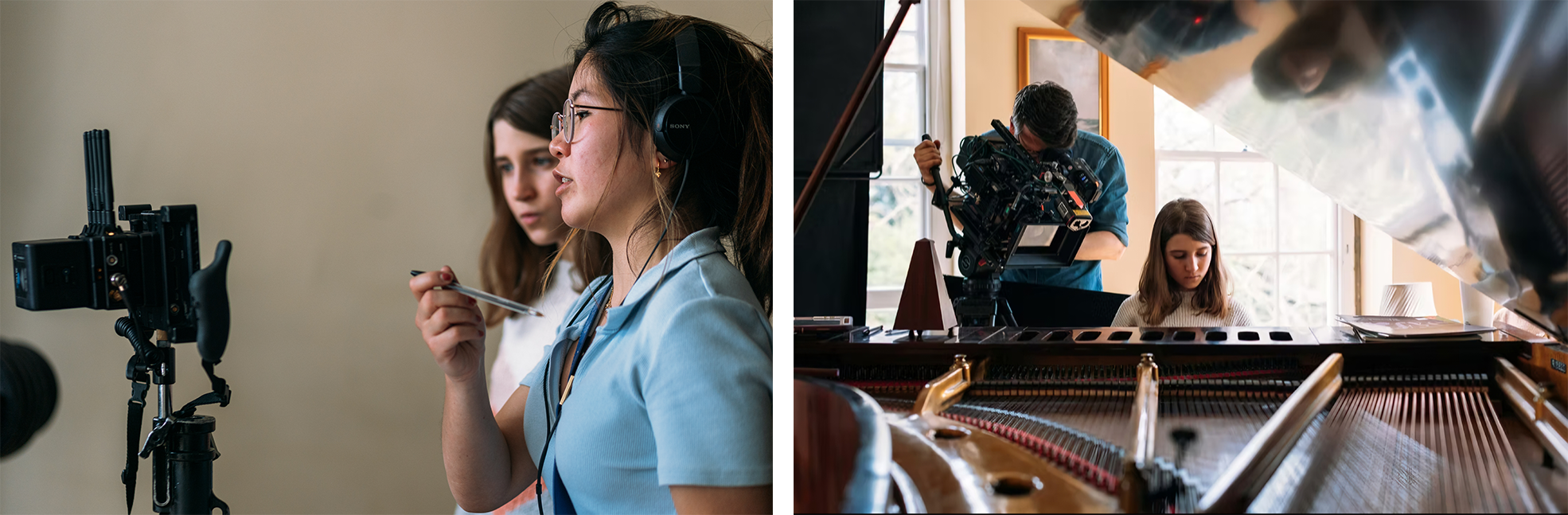
Let's chat about your cast.
How did you go about casting Discord?
I worked closely with our Casting Director, Niamh Broderick, but also involved our Music and Sound designer, Sarah Playford, from very early on. We needed to find not just a brilliant young actor but pianist too. Therefore, not only did we go through the traditional avenues but also reached out to youth theatre and music groups. We then held a few rounds of auditions which all involved some form of piano playing, before finally doing a chemistry test between the shortlisted applicants for the teacher and student roles. We were over the moon to find a great duo in Mila and Maja and could not have found better performers to encapsulate these roles.
Can you chat about your experience working with a young performer in the co-leading role?
Absolutely, I really love working with young performers and I think it helped that it was not my first time doing so. Mila displayed such a great acting range in the auditions that I had the utmost confidence going into the shoot, and never felt like she needed much guidance from me. We made sure to have a short rehearsal prior in which we went through the music, and the points where we needed to interrupt her playing for the story. I think this process, and having met up by then a few times before, ensured that we were all comfortable around each other and with the material by the time it came to the shoot.
During its festival journey, Discord got BIFA qualified. Congrats! Can you tell us a bit about your festival journey with this film? The highs, the lows, the in-betweens.
Thank you! As many filmmakers can sympathize with, the initial waiting period for the first selections can be tough, but as mentioned previously having the festival strategy in place was so helpful and preventing me from overthinking the outcomes. I really enjoyed attending as many festivals as I could make, and am thankful to all of the festivals and programmers who saw something in Discord that they wished to share with their audiences, and it was truly wonderful to see the whole team's hard work displayed on these screens. During the circuit you end up crossing paths with many of the same films, and it was inspiring to finally meet some of these filmmakers and watch each other's work. It creates a real sense of community in what can otherwise be a quite isolating process.
What advice or hacks would you give to other short filmmakers?
I just received one of those memory notifications saying it had been three years since I had been on the set of Discord, and I had to remind myself that directors especially are unlikely to spend every day on set, as much as we may like to. Therefore, it is important to trust in your team and collaborators-the people you have chosen to go on this journey with you because, as exemplified by the notification I received, the process can take years, sometimes decades. During this time many of the team will have been working on other projects, accumulated way more days on set or in the post house than you and they will be able to bring this wealth of experience to your project too. Luckily I also think there is as much to be learned off set as there is on (or at least that is what I am telling myself when I'm itching to step back on)! I believe that if want our films to connect with audiences, we can only do so by connecting with people in our daily lives. Whichever role we fulfill, I think it is our personal experiences and perspectives which we bring to a project that make those stories on screen that much richer.
What are you working on now?
I am working on my next short film being made in association with Age UK: a comedy drama called "Leftovers" about isolation and loneliness among ageing immigrant communities. I am also working on my debut feature, "Ripples", a supernatural horror which I am developing now whilst on the Great Migrations lab which is delivered by MilkTea and funded by the BFI Creative Callenge Fund.
Any film recommendations that we should add to our watchlist?
The films still replaying in my mind are my two favourites from last year, Rental Family and Pillion-very contrasting films but both absolutely brilliant and witty!
Apply to get your short selected as our Weekly Pick
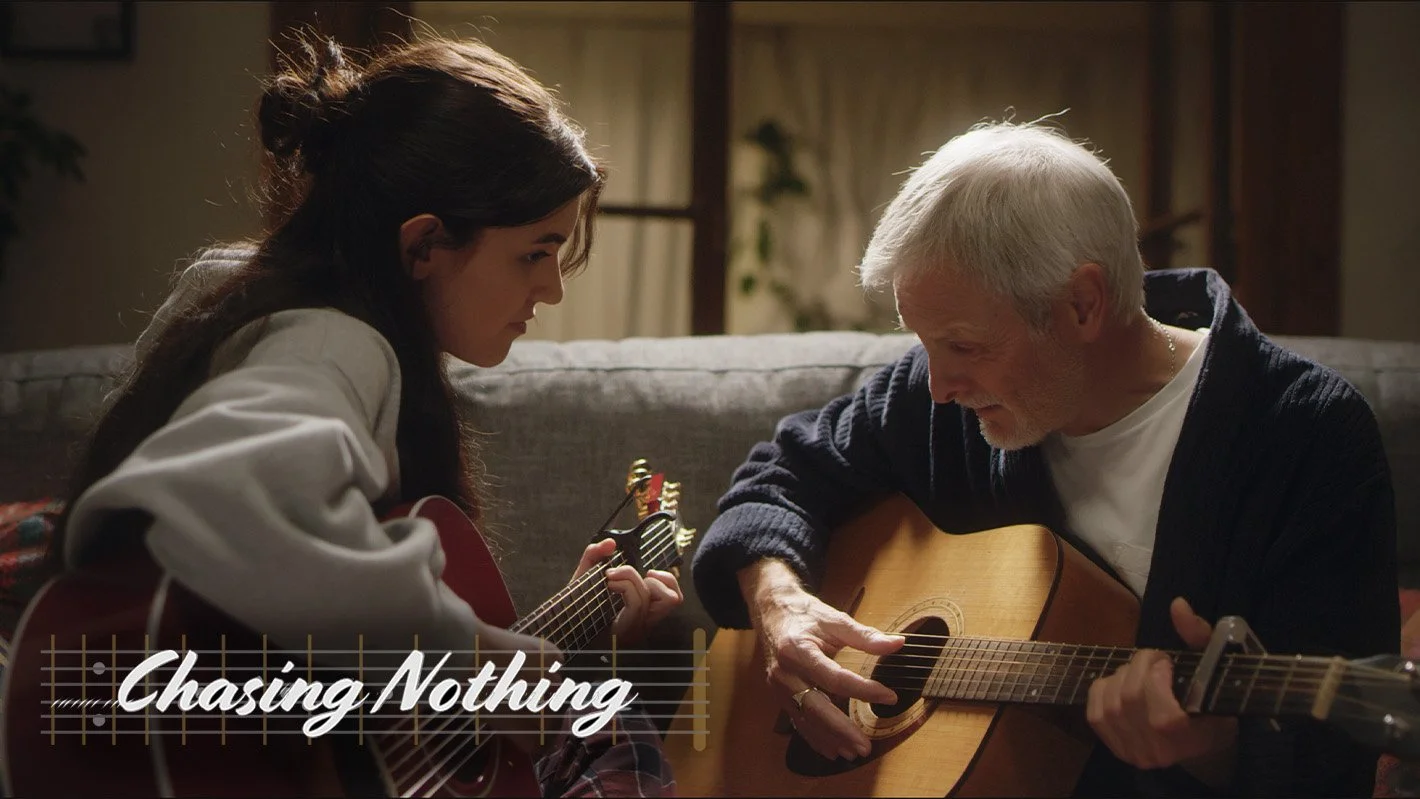
CHASING NOTHING
After a terminal diagnosis, an aging musician finds himself drawn to a young busker — a stranger who may be the last real connection he has left.
Written & Directed by Ben Hands
Produced by Ethan Cartwright, Sador Zerie, & Ben Hands
After a terminal diagnosis, an aging musician finds himself drawn to a young busker — a stranger who may be the last real connection he has left.
ABOUT THE FILMMAKER
Ben Hands is writer-director who began crafting screenplays at the age of 15. He later pursued formal training in his late 20s, studying directing and producing his first two short films during that time. His work is grounded in a deep understanding of the practical realities of filmmaking, shaped by an ongoing career as an Assistant Director.
His short film Chasing Nothing explores themes of disillusionment, mortality, and hope, drawing from personal experiences and marking a key step in his evolution as a filmmaker. Alongside his directing work, he continues to build a career in Assistant Directing while developing a feature screenplay for his next project.
READ OUR INTERVIEW WITH BEN
Welcome to our Weekly Pick series. Tell us a bit about yourself and your filmmaking background.
I started out writing screenplays at 15, long before I had any real understanding of how films were actually made. Later, in my late 20s, I went to university to properly pursue directing. While there, I produced my first two short films, which gave me the foundation and confidence to move forward with Chasing Nothing.
Alongside that, my skillset naturally led me into Assistant Directing, which has since become the backbone of my career.
Can you chat a bit about how you balance your time between AD’ing and pushing forward on your own projects as a director?
AD’ing has actually made me a far more conscious writer and filmmaker. It’s given me a strong understanding of the practical realities of indie filmmaking—budgets, time constraints, logistics—and that inevitably shapes how I approach my own work.
That said, it’s been a while since I last directed. Putting a short film together is incredibly time-consuming and expensive, so finding that balance can be challenging. But I’m very eager to get back into directing as soon as possible.
Tell us about the genesis of Chasing Nothing. Where did the idea come from?
Chasing Nothing came from a very personal place. It began with my own feelings of disillusionment as an aspiring writer and filmmaker, which formed the basis of the first verse of the song featured in the film.
Then, when my grandad was diagnosed with an inoperable brain tumour, my perspective shifted. I felt compelled to explore themes of mortality and what really matters. The final act—built around the last verse of the song—brings those ideas together, aiming to leave the audience with a sense of hopefulness in the face of life’s most difficult moments.
How did you develop that idea into the short that’s now out in the world?
It was really about distillation. I took three key scenes from a larger feature screenplay and reworked them into a self-contained 15-minute short. The challenge was making sure those moments still carried emotional weight while functioning as a complete story on their own.
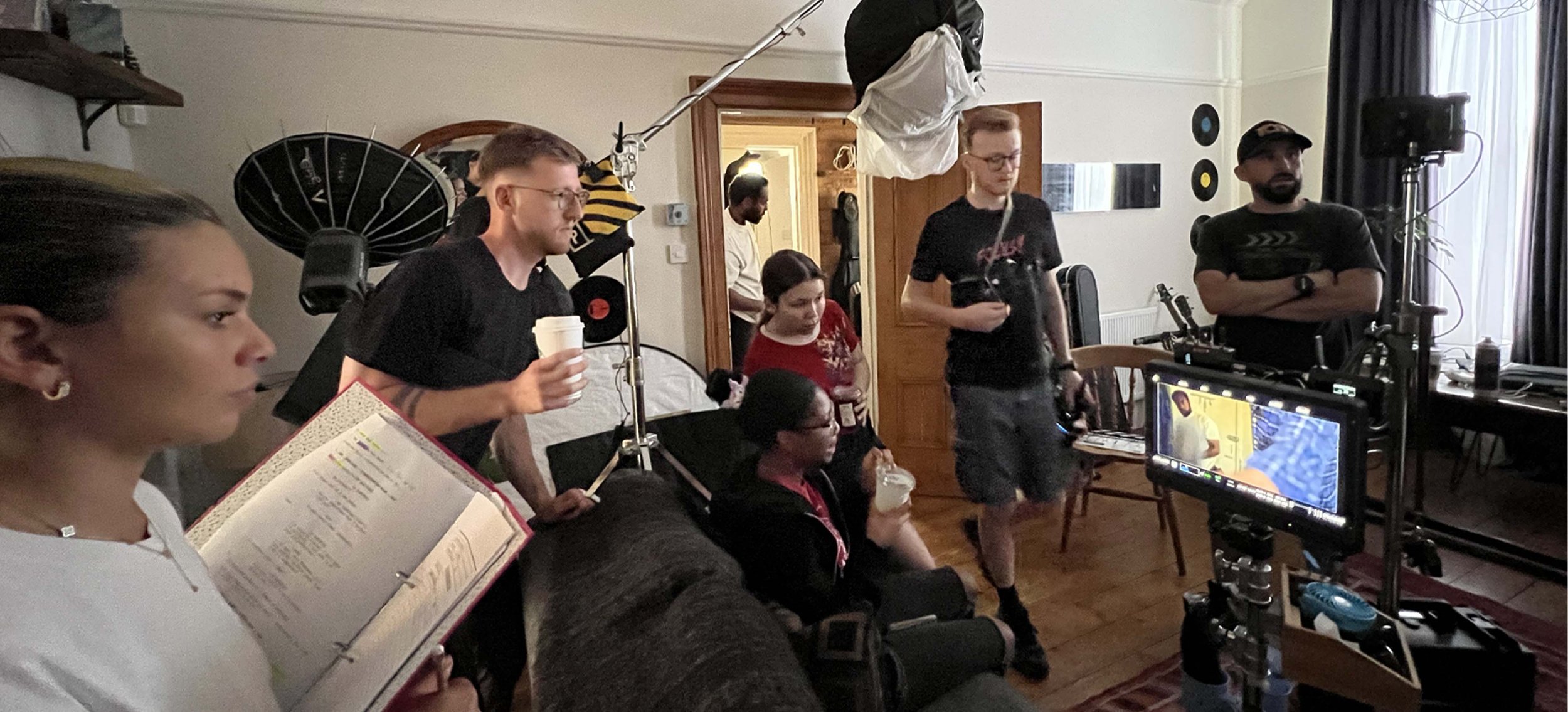
Tell us about the journey of getting your film to audiences. Did you experience much festival rejection? If so, how did you overcome that?
We’ve had some great festival screenings, along with a few award nominations and wins, which has been incredibly rewarding. Of course, I would have loved even more opportunities, but it’s an extremely competitive landscape right now with so many brilliant films out there.
Rejection is part of the process. You just have to accept it, learn what you can, and keep moving forward. Ultimately, it’s about resilience—rolling your sleeves up and going again.
What advice or hacks would you give to other short filmmakers?
Start small. Write a micro-short that you can shoot in a single day. Use that experience to experiment, make mistakes, and develop your craft in a low-pressure way—while still enjoying the process. Then build up to something more ambitious.
What are you working on now?
I’m currently working across various projects as an AD, while also developing a feature screenplay that I’m really excited about and hope to bring to life in the near future.
Apply to get your short selected as our Weekly Pick
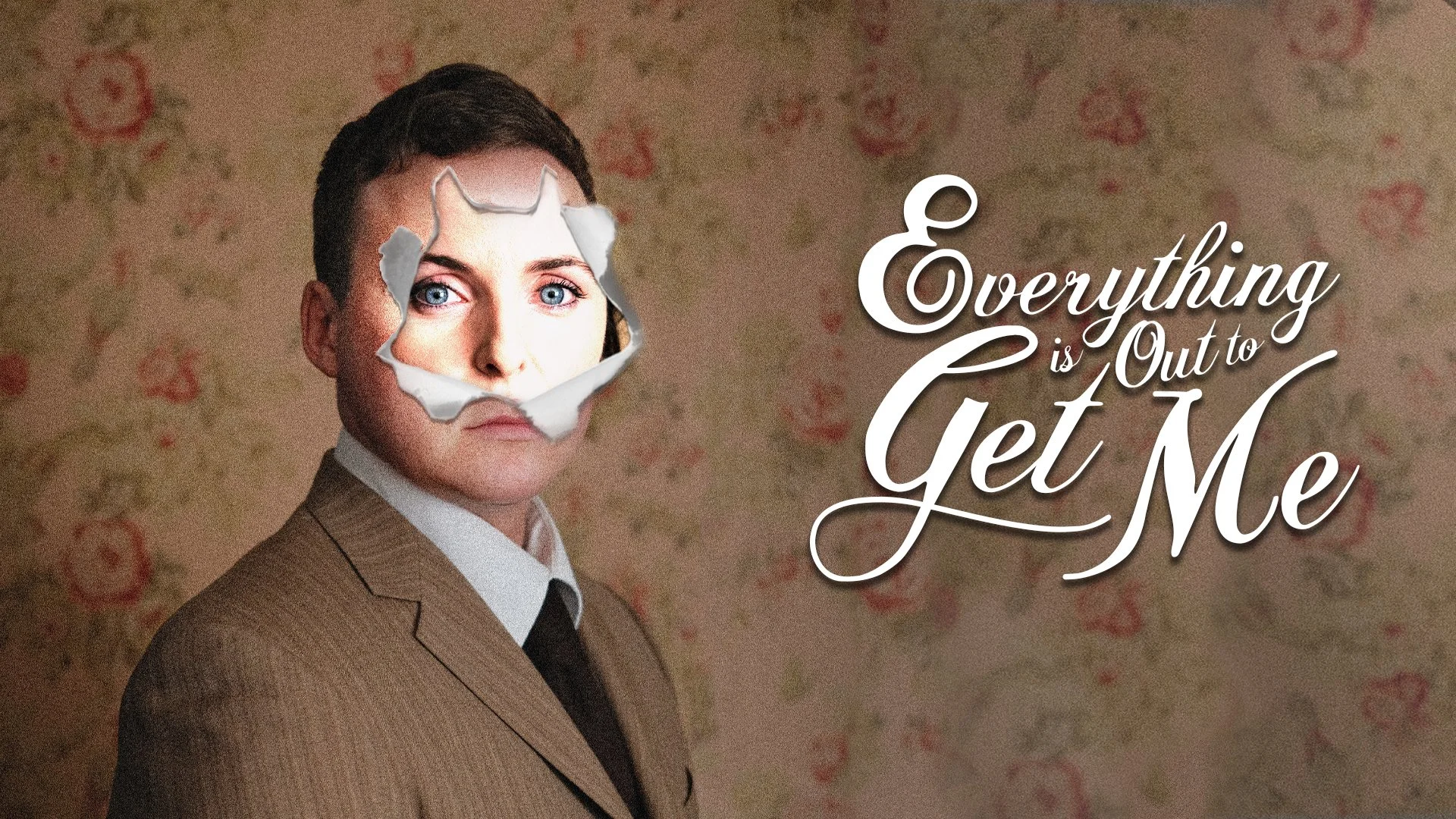
Everything Is Out To Get Me
A housewife finds out her ex-husband has happily re-married and has a newborn baby, but there’s more to his newfound happiness than meets the eye.

Written & Directed by Dustin Curtis Murphy
Produced by Dustin Curtis Murphy & Joshua Carrington Birch
Cinematography by Joshua Carrington Birch
An abused housewife finds out that her ex-husband has happily re-married and has a newborn baby, but there’s more to his newfound happiness than meets the eye.
ABOUT THE FILM
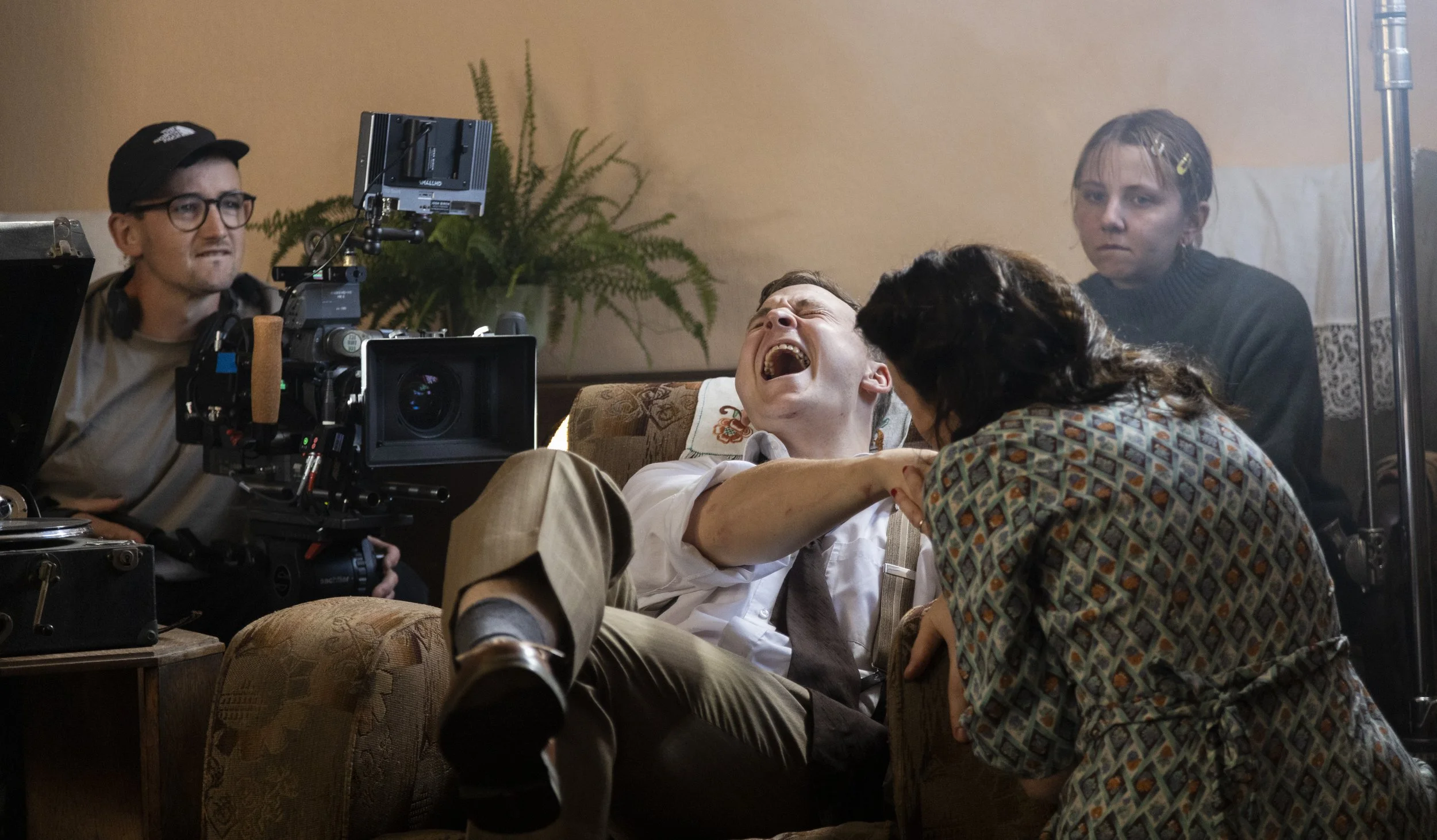
EVERYTHING IS OUT TO GET ME was shot on 16mm film and screened at 21 festivals internationally, including 9 BIFA Qualifiers. Highlights include the Unrestricted View Film Festival (Honourable Mention for Best Editing & Nominated for Best Score & Best Make Up), Dances With Films, Fastnet, Beeston Film Festival, Crystal Palace International Film Festival, North East International Film Festival, Spirit of Independence Film Festival, Sunderland Shorts Film Festival, Romford Film Festival (Nominated for Best Score and Best Screenplay) and TweetFest. The film was also nominated for Best Cinematography at the 2023 British Short Film Awards where it was also long-listed for Best Score and Best Costume Design. Upon wide release it’s been featured by Kodak’s Shoot Film channel, Minute Shorts, and Beyond the Short.
ABOUT THE FILMMAKER
Dustin Curtis Murphy is an award-winning writer, director, and producer creating work at the crossroads of social impact and commercial appeal. His films often focus on character-driven narratives with relevant social themes and tightly structured plots, frequently working in blended genre. His debut feature film "Coyote" won the Grand Prize for Best Sci-Fi Feature at VORTEX, the Audience Award for Best Feature at the Romford Film Festival, and Best Director at the Unrestricted View Film Festival. He is also the CEO of Kino Short Film and the festival director for the BIFA-qualifying Kino London Short Film Festival.
READ OUR INTERVIEW WITH DUSTIN

Tell us about the origin of EVERYTHING IS OUT TO GET ME and how this project came about.
It was summer 2022 and I was just about to wrap production on my debut feature film, COYOTE. I’d spent many years making short films, developing my voice as an artist, experimenting, failing, dusting myself off and getting up again… That process was always leading me towards the lifelong goal of feature filmmaking.
Having finally rolled the feature film boulder up the cinematic mountain, Sisyphean-style to appease the film gods, I certainly wasn’t feeling the need to start at the bottom of the mountain again with another short… but then frequent collaborator, DOP Joshua Carrington Birch, approached me with an offer I couldn’t refuse…
”Let’s do something we’ve never done before.”
He had my curiosity.
“Let’s shoot a project on 16mm film.”
...but now he had my attention.
Growing up in the 90’s, all of my early student projects were all shot on digital. That technology followed me into all of my subsequent work, but I was always trying to make my work look filmic and cinematic (with varying degrees of success). However, there really is no substitute for the real thing.
So how did the story develop from there?
Since 16mm film just oozes the textures of a bygone era, it felt natural to develop this project as a period piece. It was also important to me to create a mutually beneficial portfolio piece for all involved. Something that really showcased all of my friend’s immense talent vs just wrangling them to enable a singular vision.
I was also extremely interested in playing with structure, subverting the usual formulas rampant in modern filmmaking to deliver something fresh. With this film (spoiler alert) I wanted to the audience to feel completely different about these characters by the end of the film than they did at the beginning. The good guy becomes the bad guy and the bad guy becomes the victim of who we thought was the good guy… I wanted to use these narrative twists to challenge audiences biases.
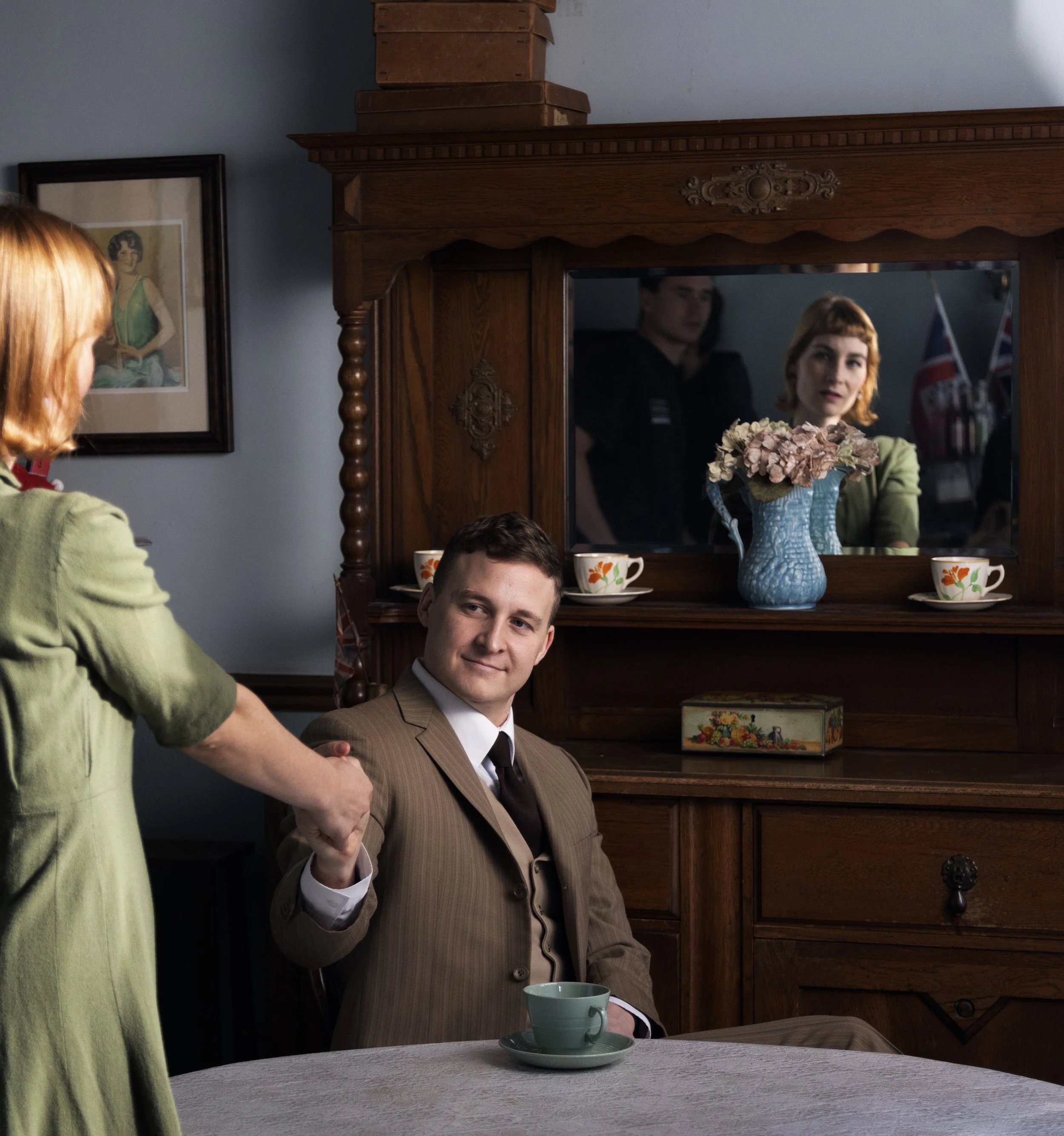
Let’s chat about your choice to tell this story through narration. Why did you make that choice?
It’s odd, but narration can be quite controversial in some pretentious screenwriting / industry circles. Some people consider the use of narration to be “bad writing” or “lazy writing”, but I wholeheartedly disagree. Narration done badly is indeed awful, but then again the same is true for dialog or plot.
Creating a blanket rule that narration should never be used because it’s an inferior art-form is hogwash malarkey. Imagine Fight Club without narration. Same with Forrest Gump, Stand By Me, Apocalypse Now, Adaptation, Casino… I could go on forever. If you look at IMDB’s list of Top 250 films of all time you will see so many examples of narration.
One key deciding factor in making this film a 100% narrated piece was the fact that our film camera was noisy which would’ve impacted our ability to record clean dialog. Additionally the narrative spans many years in the matter of a few minutes. Our film is about the entire scope of a relationship, not a single defining moment of a relationship, so narration was a great tool to link scenes together over the passage of time. The film is also heavily rooted in the misrepresentations of the leading character. Our narrator is the quintessential “unreliable narrator”. The audience starts off believing everything she’s telling us. We empathise with her tale of victimhood, but as the story unfolds we start to realise that the images we’re seeing don’t line up with her words and we’ve been lied to. I wanted the lead character to not only gaslight her partner in the film, but also to gaslight the audience - what a better tool to use for that than narration.
I don’t think the essential components that make this short film what it needed to be would’ve worked without the use of narration, and it certainly was a fun style to experiment with. However, I will say that in the final mix we noticed that the music and visuals were so strong that we didn’t need as much narration as was initially scripted.

Tell us about the music of EVERYTHING IS OUT TO GET ME.
The score is truly one of my favorite things about this film, and in general working with composers is one of my favorite parts of the collaborative process of filmmaking. (I love many other collaborative relationships as well, so this is in no way meant to throw shade at those who aren’t composers…)
I’d met Thom Robson after he won the award for Best Score at the first year of Kino’s film festival for his work on From Fragments - a beautiful dance film about dementia. I often scout talent via my work with Kino, and I was always looking for an excuse to finally collaborate with Thom. We did work briefly together on my micro-short Filthy Animals, but Everything Is Out To Get Me was what I’d consider our first proper collab.
Thom and I both have a very sensitive ear for digitally created string instruments, so to make the score the portfolio piece it needed to be, we were fortunate enough to work with a 40 piece string orchestra out of Budapest who recorded remotely. It was the same orchestra who does many Hollywood projects including Tim Burton’s Wednesday, but they still set aside 50 minute sessions to help out smaller projects. It was amazing to hear them nail Thom’s composition in just a few takes.
The score is available on Spotify is anyone fancies adding it to their playlist.
Tell us about the journey of getting your film to audiences and some of the festival circuit highlights.
This short was blessed with a very healthy festival run, and while there are great several festival experiences throughout, it’s US premiere at Dances With Films remains my favorite festival experience to date, not just for this film, but for all that I’ve done.
Dances With Films takes place at the historic TGC Theaters on Hollywood Blvd. and it’s everything you think a big Hollywood film festival should be. It’s very well attending and they have special industry events for screening filmmakers where you can actually get in the room with key industry decisions makers. The staff is very friendly and they absolutely champion grass roots filmmakers vs succumbing to the rampant nepotism and privilege that many other big festivals do.
What are you working on next?
The feature length script for Everything Is Out To Get Me is deep into development at this point with several drafts completed. For the feature I’m leaning more heavily into the genre elements that are hinted at towards the end of the short, in particular the home invasion. However, after directing, producing, writing, and editing my debut feature film, it’s certainly not an experience I’m willing to subject myself to again. Making the feature certainly came with it’s highs (and lows) and I’ll always be thankful to some amazing collaborators and investors that believed in the project, but at the end of the day it was a micro-budget production which meant that the solution to most problems was for me to do the work myself. This of course lead me down a path of massive burnout, so for my own wellbeing I’ll not longer be looking to take on four full time production jobs at the same time.
To ease into doing another feature, I’d actually like to get my mojo back by doing a few shorts. I think a lot of people look at shorts as something you graduate from once you’re in the feature film world, but they’re such different mediums. I have a lot of stories I’d like to tell and not all of them should be features.
Hey, if David Lynch can make shorts throughout his career without being embarrassed then why should anyone else feel any different. Go scratch your creative itch any way that feels right to you.
Any film recommendations that we should add to our watchlist?
I’ve mostly spent the last year revisiting my old favorites. Previously, it became kind of a competition between me and friends to see who could boost their IMDB/Letterbox’d view count the highest, but I realized that after being exposed to SO many films over the years I’ve become harder and harder to impress. Pair that with the current state of the industry pushing out more data-driven content vs grand artistic achievements, and I became one bored viewer when it came to new releases…
In slightly similar vein to Everything Is Out To Get Me, I just revisited Marriage Story which is an absolute masterpiece.
For something newer… I super enjoyed Mickey 17 and don’t care what any of the haters had to say about it. Most entertained I’ve been in the cinema in awhile.
Apply to get your short selected as our Weekly Pick
Do Not Touch
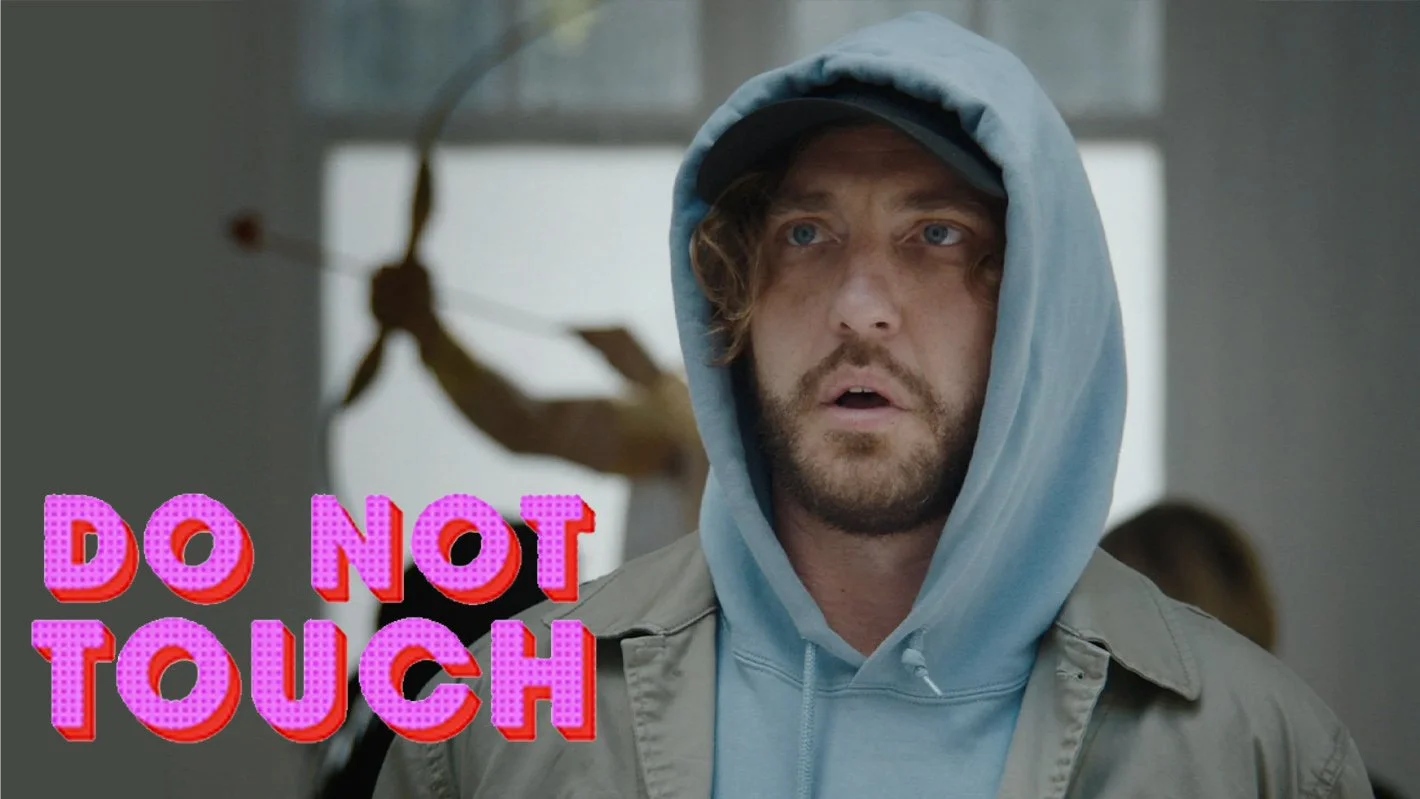
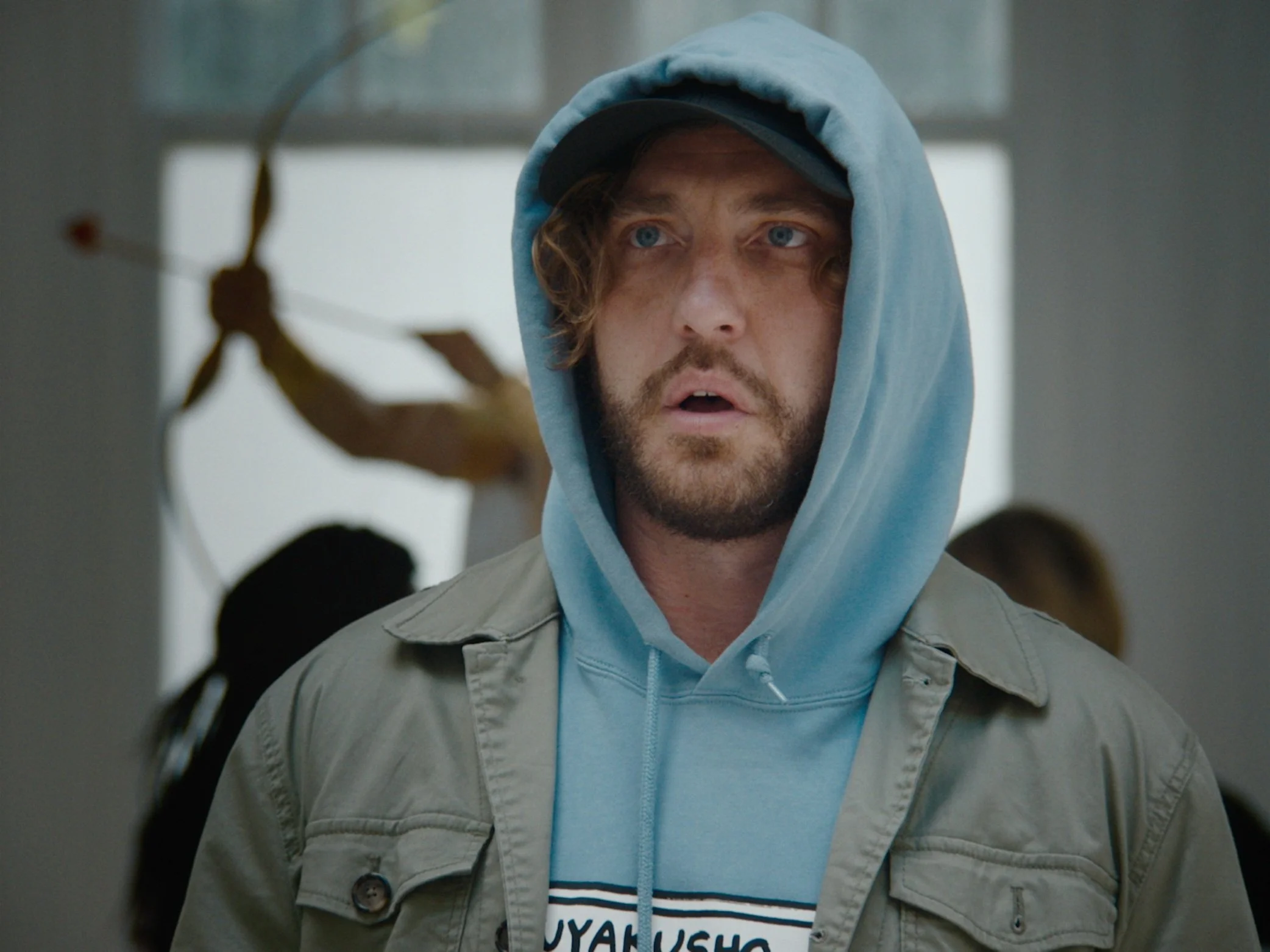
An adulterer (played by Seann Walsh) discovers his one-night stand is now the subject of an art exhibition to which his girlfriend has tickets. He must destroy the artwork before it destroys his relationship.
Directed by James & Harrison Newman
Producer Alex Waterhouse
An adulterer (played by Seann Walsh) discovers his one-night stand is now the subject of an art exhibition to which his girlfriend has tickets. He must destroy the artwork before it destroys his relationship.
ABOUT THE FILMMAKERS
James and Harrison Newman won the grand prize at the 2022 Kino London Short Film Festival with Viskar I Vinden unlocking our film fund. DO NOT TOUCH was produced summer 2022 and is fresh off the festival circuit.
READ OUR INTERVIEW WITH JAMES
Tell us about the genesis of DO NOT TOUCH? Where did you get the idea and why did you choose this project to focus on?
"Do Not Touch" was always just a dream sitcom episode in my mind. I always thought it would be a shame if we never brought it to life. But, it wasn't until I was isolated that I realised it could work as a short film. The inspiration came from Tracey Emin's artwork "Everyone I Have Ever Slept With 1963–1995". I had initially thought the artwork displayed the used condoms of everyone she'd ever slept with, but I was wrong. It was actually a tent with names stitched inside. However, that false memory was a great source of inspiration for the film. The reason we chose this is that it was completely different to the first short in terms of tone, this is a bit more of a straight comedy than Viskar I Vinden. We needed to do something different and ultimately have fun doing it, because if we’re not having fun - what’s the point?
Watch Behind the Scenes
Tell us about your experience winning the Kino fund and how it changed the way you approached making Do Not Touch? Would you still have put it into production at a lower budget or would you have continued to pitch it around?
It's a good thing the Kino Production fund came to our rescue! Without you guys, we would've been stuck twiddling our thumbs, trying to figure out how to make a short without breaking the bank. We were down to the last pound, and with the additional £2K we put into making this. I don’t think we would’ve shopped it around, I think we would’ve done a cheaper idea and gone ahead with that. So without you, this wouldn’t have happened.
What were some of the main obstacles you experienced when making Do Not Touch and how did you overcome them?
Do Not Touch was probably the most fun I’ve had doing this. We were really blessed with everyone, everyone wanted the best for the project and we were pulling in the right direction. I think the biggest obstacle was initial casting and getting the right people for the right roles in pre-production. We brought someone on board and it didn’t work out, but in the end, I think it was the best for both parties. We’ve learnt some lessons and how we approach casting in certain scenarios.
How did you secure the cast for the film?
It all started at the Crystal Palace Film Festival, Sofia, Tom and I met the brilliant Seann. He liked our first short and he agreed we could send him the script, and the rest is history! Seann brought Charlotte on board, and before we knew it, we had our dream team in place. We found Ingrid, Blair, and, Julia on casting websites, just like that. It was almost too easy, everyone killed it. And to top it all off, Ollie a friend from school was sweet enough to fill in as the cupid statue, what an absolute thirst trap. We couldn't be more grateful for everyone who has been a part of it.
Tell us about your festival journey. Any tips and tricks for other filmmakers?
Definitely! One great way to get your film in front of the right people is to find a film that's similar in genre or style to yours and see where they've played. Take note of the film festivals they've entered and won awards at, and consider submitting your film to those same festivals.
It’s a bit cheeky, but fuck it – you don’t want to waste loads of money on festivals that won’t accept you.
What do you think is the biggest challenge short filmmakers face trying to break into the industry?
It’s a closed circuit in this industry and you’re at the behest of gatekeepers. You’re working with such limited resources and at these festivals, you’re up against the BBC, BFI, Film4, and filmmakers with actual backing. The biggest challenge is competing and standing out. A key component for filmmaking is time, money and resource. You’ve got to make the largest impact with the least amount of resources and you’re competing with people who do have that resource. The biggest challenge is trying to get your work seen by the right people. I think people have to remember there’s a lot of luck that goes into this and it necessarily isn’t fair.
Any film recommendations that we should add to our watchlist?
All of the work of Nathan Fielder. The Rehearsal, and Nathan For You, it's hilarious. Also, check out Extraordinary on Disney plus; it’s ace.
Interested in getting your work selected?
Mama's Watching
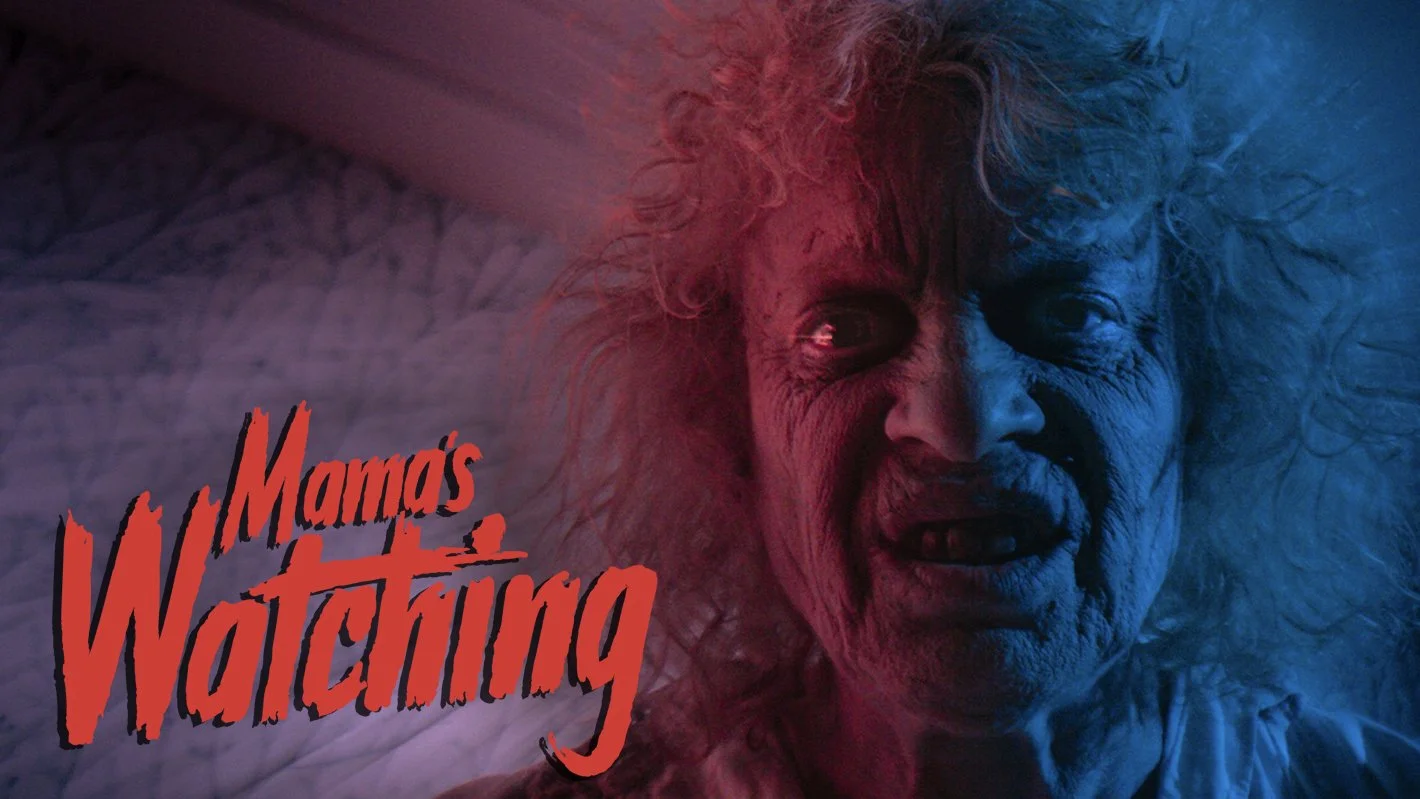
A young mother has to fend off the unwanted advances of her boss, triggering the memories of a traumatic childhood event involving a monstrous figure called Mama.
Directed by Dustin Curtis Murphy
Written by Rose Muirhead
Produced by Alasdair C. Melrose
On her first business trip away after the birth of her child, a young mother has to fend off the unwanted advances of her boss, triggering the memories of a traumatic childhood event involving a monstrous figure called Mama.
ABOUT THE FILM
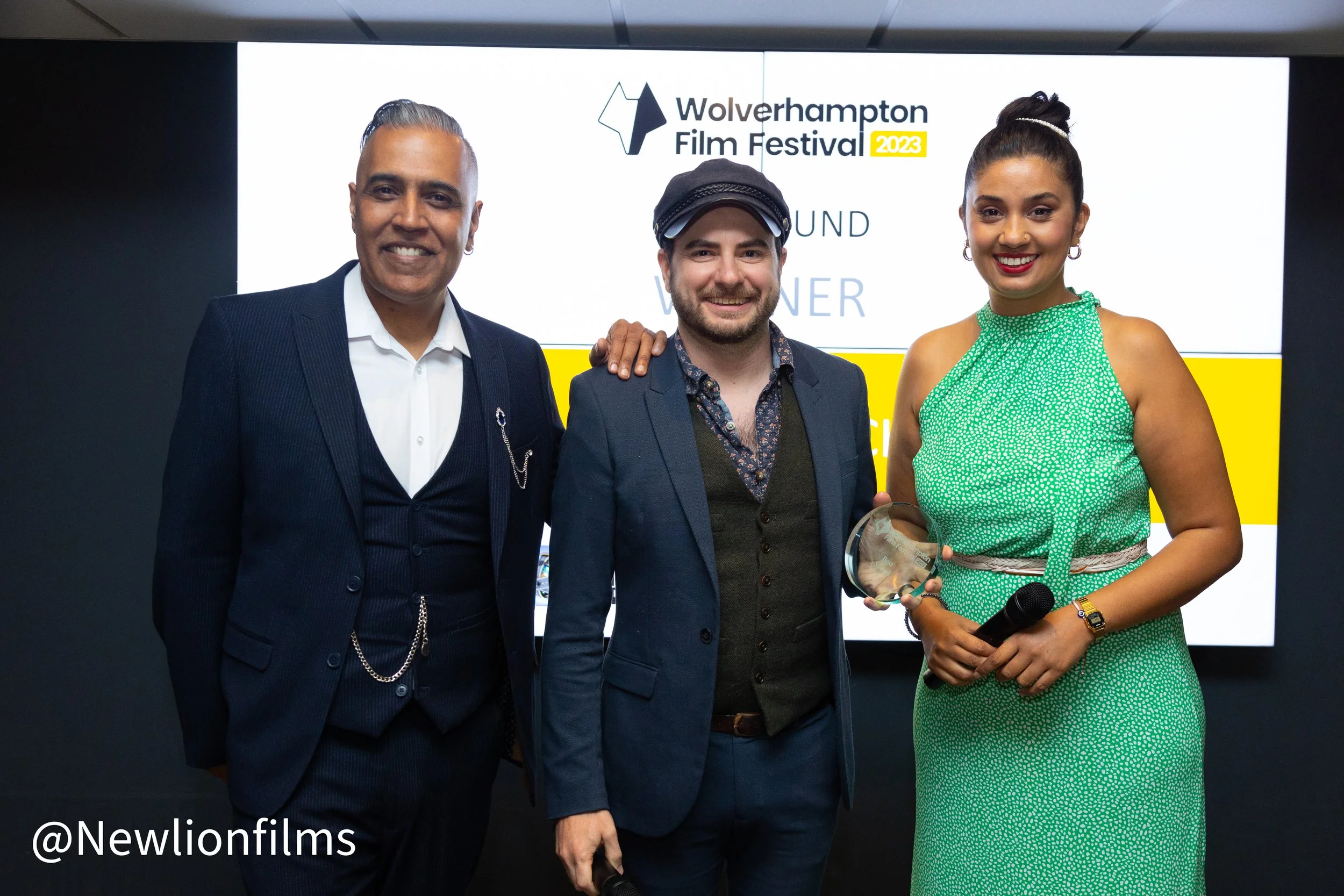
Mama’s Watching is a Kino Original co-production with Dutch London Pictures, founded by Alasdair C. Melrose. Production on the film took place in 2019, and it first hit the festival circuit in 2022 playing at the Wreak Havoc Horror Film Festival (where it was nominated for Best Short, Best Foreign Film, Best Actress, & Best Director), the Atlanta Horror Film Festival, HorrorHaus Film Festival, among others. It was also named a Semi-Finalist at the Oscar qualifying Flicker’s Rode Island Film Festival. Awards for Mama’s Watching include: second place in the AudPop Horror Film Challenge, Best Screenplay at the Monkey Bread Tree Film Awards, and two awards for Bets Sound from Echonation Audio & Film Festival and the Wolverhampton Film Festival.
ABOUT THE FILMMAKERS
Dustin is no stranger to the Kino community. He is an award-winning writer, director, and producer creating work at the crossroads of social impact and commercial crowd-pleasers. His work focuses on character driven narratives with relevant social themes and tightly structured plots, often working in blended genre. Loves a good twist. Dustin has produced 2 web-series, 1 feature film, and 9 short films that have been recognized by Academy Award, BAFTA, and BIFA qualifying film festivals. His feature film debut - COYOTE - a dystopian sci-fi starring Therica Wilson-Read (Netflix's The Witcher), Borislava Stratieva (Luther: The Fallen Sun), Ailish Symons, (The Widow) and BIFA Winner Ruhtxjiaïh Bèllènéa (The Last Tree) - is on the festival circuit in the UK and getting a digital release in North America from June 20th, 2023.
Rose, a Yorkshire born actress, began acting at a young age and was involved with northern based productions such a Waterloo Road (2007-2008) before moving to Manchester for formal studies. In 2013 Rose took up a place at the International School of Screen Acting based in Three Mills Studios. Since graduating Rose has taken on many roles, most notably Jess in Book of Monsters (2018). Rose has always had a keen interest in writing and developed Mama's Watching as a concept in the winter of 2018. She continues to write and is working on a feature length dysoptian triptych which further explores the darker side of gender power dynamics.
Alasdair is a London-born producer and filmmaker. He got his start as a producer on Benjamin Rider’s indie feature Suburban Coffin (2018) then founded Dutch London Pictures, producing Dona & Vixen (2020), Mama’s Watching (2022) and Le Bebe Noir (2023). In 2022 he produced Holly de Jong’s TBA sophomore short and was associate producer on Dustin Curtis Murphy’s debut feature Coyote.
READ OUR INTERVIEW WITH DUSTIN
What have you been up to since we featured your last short film “The Last Confession”?
During my last interview I was talking about being in post-production on my debut feature film “Coyote”, and I’m now happy to say that the film has not only been completed, but also released!
Coyote premiered at the Phoenix Film Festival in March 2023. It was a great experience! PFF gives all films three screenings over the course of a week and a half. We were able to pick up buzz with each screening and our last one even sold out. While the festival wasn’t on my radar previously, our festival strategist put it on our list, and I’m glad they did. PFF gets some industry attention and we walked away with an offer from a distributor. We were already in talks with another distributor, so ultimately we decided to go another route, but it was encouraging to have multiple offers on the table - 5 in total. The film is getting a digital and DVD release in North America on June 20th, and we’re currently looking to expand to more territories throughout the year.
In the UK, Coyote also just had its UK premiere at the Romford Film Festival (again, sold out!) where we won the Audience Award for Best Feature, and coming up it’ll play at the Kingston International Film Festival on June 25th.
As if doing a feature wasn’t enough, last year I also shot a new short film ‘“Everything Is Out To Get Me.” It was my first time working on film which was a super cool experience. I’m about to head out to LA for its international premiere at Dances With Films - the largest indie festival in LA. Especially excited because they host their screenings at the historic Chinese Theatere on Hollywood Blvd.
Tell us about the genesis of Mama’s Watching and how the project came about.
I’d previously worked with Alasdair Melrose (producer of Mama’s Watching) on the first short film that I made after moving to the UK - “Nora”. In 2019, Alasdair approached me with a script called Monsters which he’d been developing with screenwriter/actress Rose Muirhead. He asked if I’d be interested in directing the project, and I was honoured to have his faith. Holly de Jong (who played Newt’s mom in Aliens) was already attached to the project as this point, so the prospective of working with her was exciting.
There was a lot of potential in the script, but I had concerns about the scope of the project when compared with the limited budget we had access to. Initially, the script had several monsters which followed the protagonist throughout her life. To pull it off, it would’e required extensive practical and visual effects, so I suggested that we pair it down to a single monstrous character, which eventually became “Mama”. That way we were able to focus all our attention on nailing one monster.
For a few months we would have regular development meetings and review subsequent drafts that Rose would churn out, and soon we found ourselves ready for production.
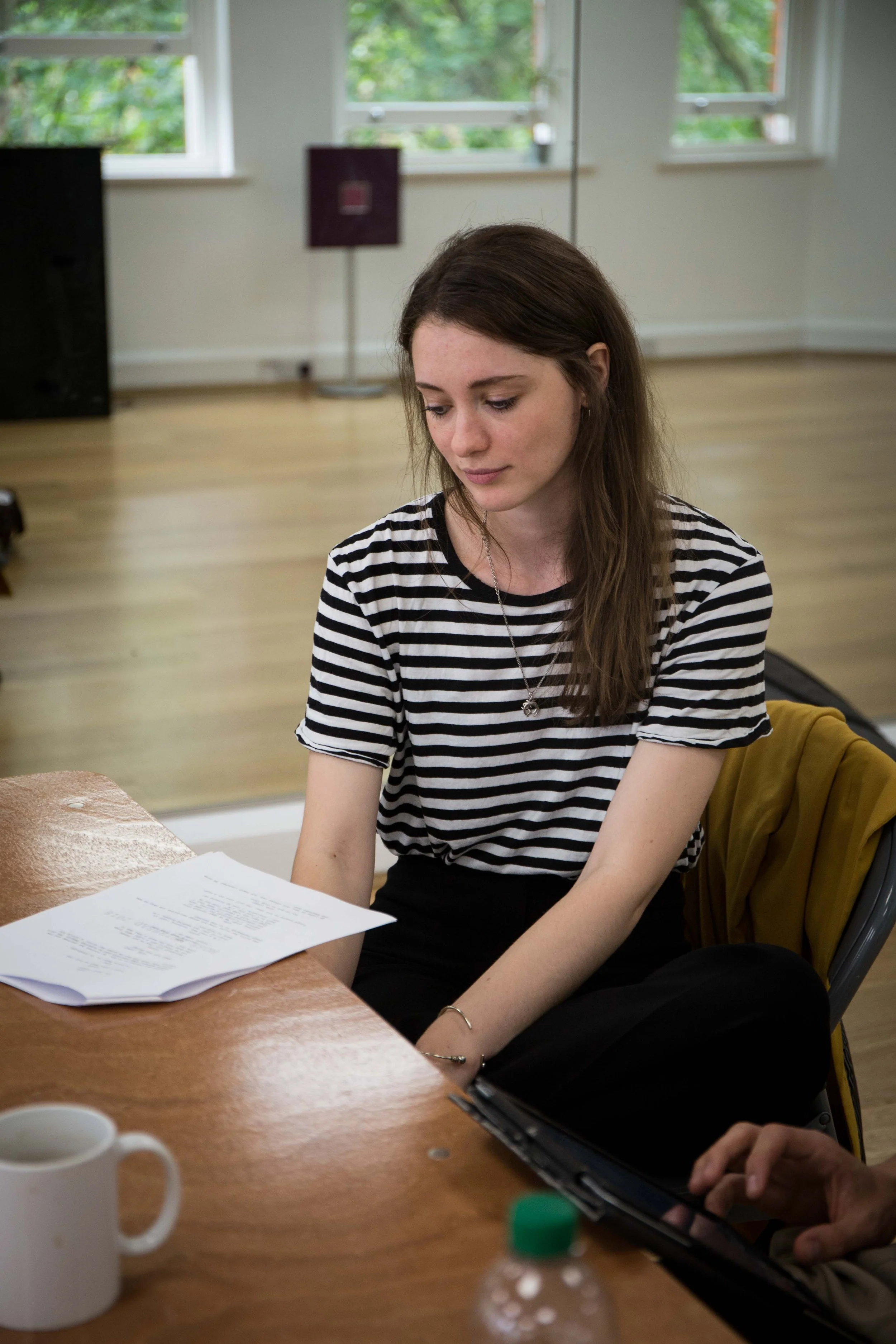
Rose Muirhead as “Liz”

Holly de Jong as “Mama”

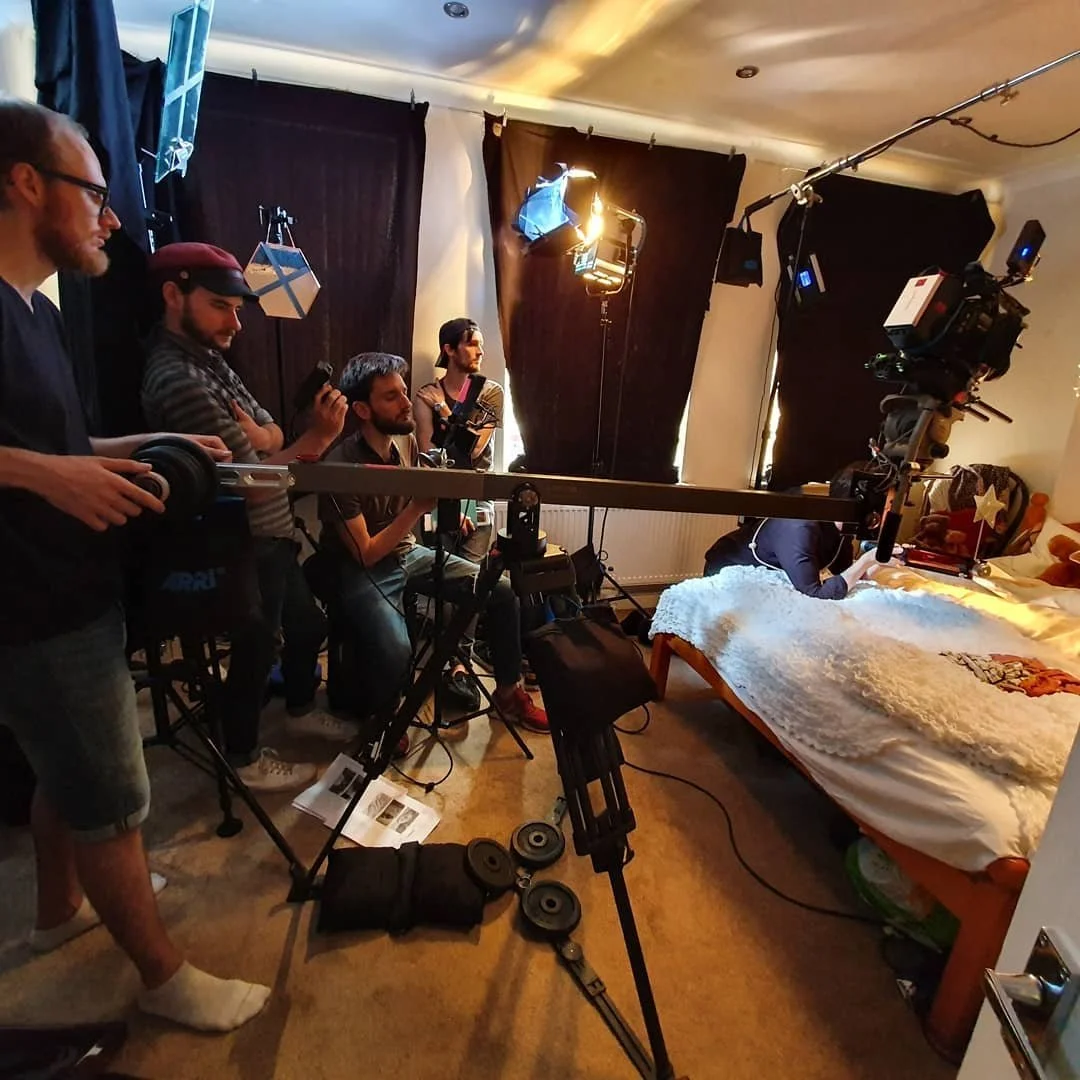
Cast of Mama’s Watching with director and producer

Will Earle as “Lloyd”
Tell us about the development process and how you as a director provide feedback to the screenwriter.
Typically, I’m a writer/director, so when you’re coming in to actualise another writer’s vision, it’s a bit of a dance. You need to respect the initial intentions behind the script while also trying to find a personal hook into the material. You want to put your stamp on it, but you don’t want to be a bully. You need to protect the original spark that attracted you to the project in the first place.
Rose was wonderful to work with and it felt like we were really pushing the project in the same direction - which is key for a healthy collaboration. There’s nothing worse for a writer than working with a director who completely butchers their source material.
Monsters was written very “stream of consciousness” in its style and it was structured more like a feature film than a short. As a director, it was my job to search for the intensions behind what Rose put on the pages of her early drafts, so we could maintain the heart and soul of her concept while making necessary tweaks. The suggestions I made I hope elevated the project, but at the very least they made the film achievable within our budget limitations.

What were some of the main obstacles you experienced when making of Mama’s Watching and how did you overcome them?
The shooting draft of our script is actually quite different then the film you see now. The script was written linear without any flashbacks. We started with the story of Liz as a little girl. We see her interacting with Mama a lot more and ultimately Mama protects from her abusive uncle. Then, half way through the script, we introduced Liz in her twenties as a new mother on a business trip. In post-production we found that film didn’t quite flow when the scenes played out in a linear fashion. Although one could argue the 50/50 structure was quite Kubrickian, I think it’s important that a short film feels like one cohesive statement rather than two halves.
What you now see as the final cut of the film is pretty much all of the second half of the script. We utilised sections from the first have as our flashbacks. It did break my heart a little bit to cut some scenes with some great performances, but we needed to make the best decision for the big picture.
We shot the film over 3 days, it’s a 10 minutes film, and about 70% of what made the final cut was shot on 1 day. In hindsight, I would’ve liked to have more time to shoot the scenes that made the final cut, instead of spending 2/3rds of our time on 30% of the film.
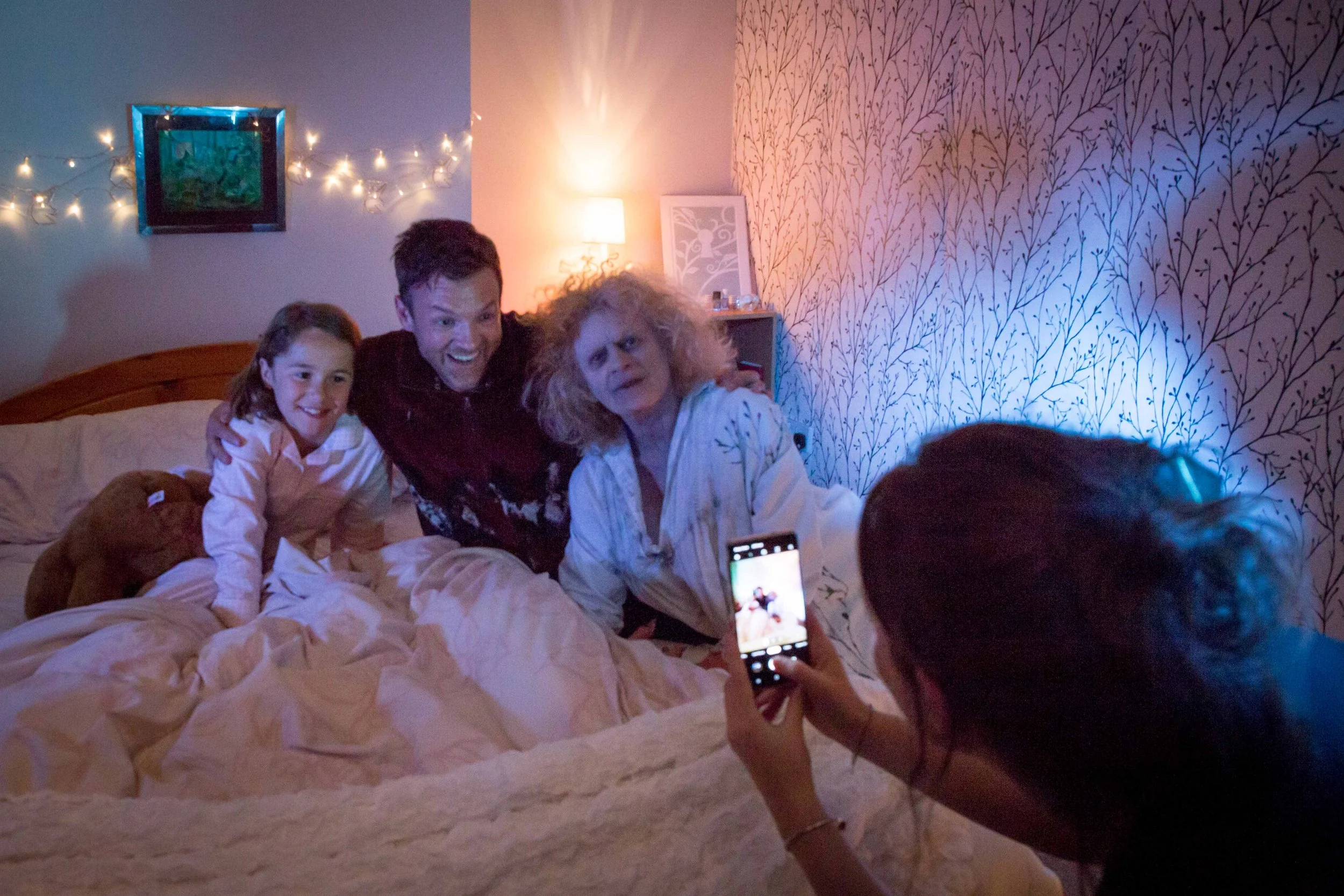
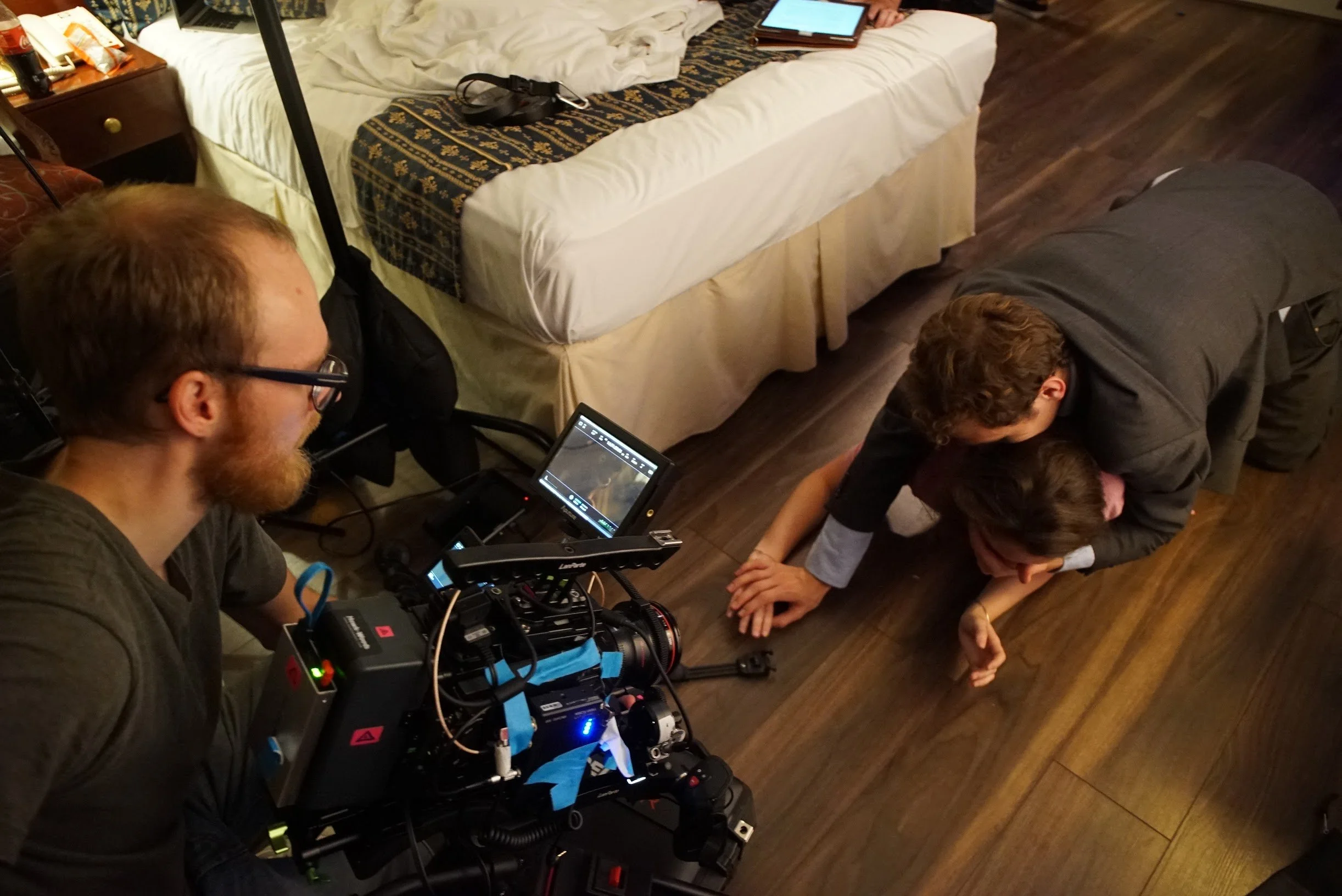
Day 3/3 on set was by far the most challenging. It was the day that we were shooting not only the most intense scene in the film - the attempted rape - but also every other scene that took place in the hotel. I asked for two days to focus on the hotel scenes, but due to access to the location we could only wrangle one day. The amount of coverage I wanted was quite extensive. In order to walk away with as many shots as possible, we had to shoot the attempted rape scene out of order which made continuity tough. We would shoot out one side of the room then move the lights to shoot out the other side of the room. If we’d shot it in order then we would’ve been resetting the lights back and forth. Shooting out of sequence was a complete puzzle. I’m pretty sure I was the only person on set who was confident that all the pieces would cut together, and while I’m generally happy with the final result, I do think the scene has a few rough cuts that don’t feel totally polished, but artists see the flaws in their work that oftentimes audience would never pick up on.
More budget, could’ve unlocked more time… A tighter script, could’ve meant we only shot what ended up in the film… but I think as a crew we did the best we could with the limitations.
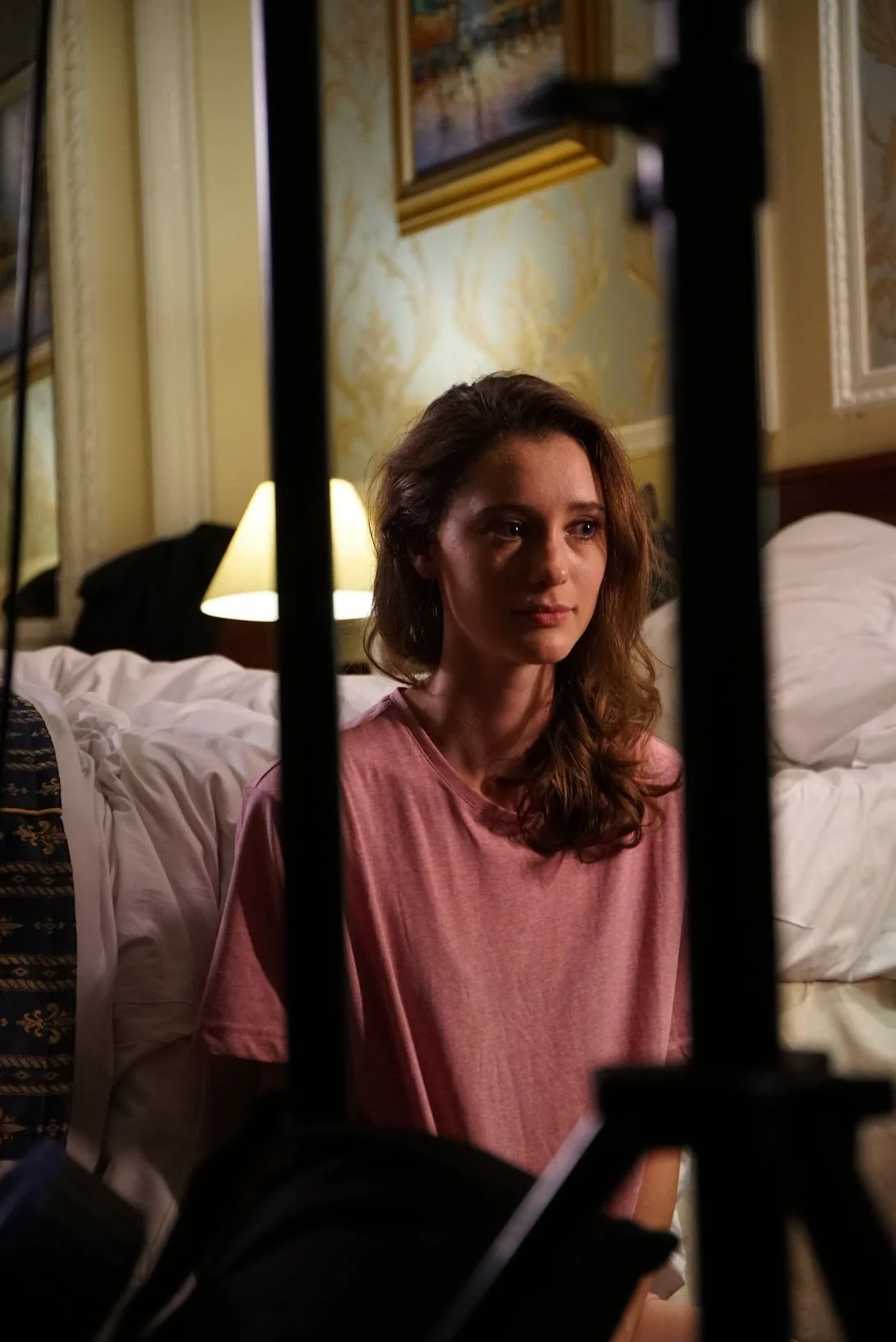


Dir. Dustin Curtis Murphy works with Rose Muirhead to perfect the pivotal hotel scene

Tell us about the journey of getting Mama’s Watcing to audiences.
Always a tough one, right? Unlike any other film that I’ve worked on, Mama’s Watching was really found during the edit. We were in post-production for awhile, so even though we shot summer 2019, we didn’t premiere until Halloween season 2022. Sure, there was covid smack dam in the middle of that, and I was also working on other projects.
As an American filmmaker living in the UK, I reflect quite a bit on my American influences and how they affect the choices I make as a filmmaker. Since moving to the UK I’ve met the best collaborators - the indie film scene in London is the absolute best - but I’ve noticed that most of my work gets programmed more at US festivals. Perhaps I have an inherently American style to my filmmaking and perhaps that puts off British programmers, but… I digress.
To be honest, during the festival tour I was getting a bit insecure about the lack of success of Mama’s Watching in the UK. I remember the rejection from Frightfest stung in particular because all of my peers got selected and I felt like the only one left out. I think I’m quite in tune with what’s wrong and what’s right about my projects, and while I massively respected the work of my peers that justifiably made it into Frightfest, I just couldn’t really see any clear reason why my film wouldn’t be selected to screen alongside them.
We ended up touring several horror based festivals in the US and picked up a few nominations, but it wasn’t until our Kino Original Short Film Showcase at The Garden Cinema at the end of November 2022 that I got to see the film with a live audience for the first time. I didn’t really know how I’d feel about it. Of course I hoped that audiences responded to the piece, but perhaps they wouldn’t. Feeling the energy in a cinema screening is so helpful for filmmakers. If you’re just watching your film by yourself on your laptop it can be difficult to see what elements are going to work with live audiences.
At that screening it really clicked for me. Mama’s Watching is not an easy watch. It’s about an attempted rape that triggers repressed memories of childhood sexual abuse. I can see how many programmers, even horror programmers, might be too afraid to attach their name to it and give it screen time. It’s not a fun watch, and quite frankly it shouldn’t be a fun watch. I think a lot of programmers and audiences in the horror space are looking for an element of fun in their horror films, and with Mama’s Watching I didn’t really provide any of that. I didn’t want to provide any of that. I feel if I were to make a film about sexual abuse “fun” then it would’ve felt inappropriate. Instead I wanted to show a real life horrific experience for what it was. Where other filmmakers tackling this subject may decide to execute it as a drama, I’d argue that is a safer, more programmable route to explore these themes. But I love challenging audiences vs just giving them what they expect.
Sitting watching Mama’s Watching with an audience I could tell that I’d definitely succeeded in creating a film that was suspenseful to the point of discomfort. So in a way, it feels like the success of effectively using filmmaking techniques to illicit uncomfortable feelings in audiences ultimately gave the film limited appeal during its festival run. I’ll be curious to see how the online release plays out.
At the Atlanta Horror Festival we caught the eye of Alter - the horror shorts distributor known for getting massive views on YouTube. Ultimately, they passed on the project, so I approached Omeleto who released my previous two shorts. I honestly thought Omeleto would pass on the film due to its content not being YouTube friendly (when my sound designer tried to upload a WIP version of the film privately for me to see his work, YouTube blocked it!), but I figured I might as well at least get the project in front of them. They said yes! Just goes to show that you never know. You get a lot of rejection, but the cliche is true: you just need one person to say yes, so best thing is to put yourself out there.


What do you think is the biggest challenge short filmmakers face trying to break into the industry?
Two things.
1. Over-saturation
Right now it’s easier than ever for anyone to make a film. Technology is a two edged sword. Yes, twenty/thirty years ago, perhaps you wouldn’t even be able to make a film at all, but now thousands and thousands of short film are made annually, and there are only a few slots available at the top tier festivals. That means that amazing work is getting rejection left, right and center. Which brings me to my next point…
2. Industry decision makers putting up barriers
In an over-saturated market, decision makers don’t have the capacity to have a personal connection with every talented filmmaker that comes their way. Some people in the industry are extremely well intentioned, but they are time-poor and overwhelmed by the sheer amount of people knocking on their doors looking for an opportunity. Other people in the industry are, quite frankly, negligent and uninterested in fostering an inclusive environment.
Keeping these two things in mind, I think short filmmakers should just continue striving to make their films better. We all need to put ourselves and our work out there. Yes, it’s an uphill battle. Yes, it’ll hurt along the journey when an avalanche of rejection comes your way. Manage your expectations, and don’t allow others to define what success is for you. You made a film. That’s a success. If you can, let that be enough and find pride in your work. Continually strive to find joy in the act of creating, and don’t let external accolades (or the lack thereof) make you feel bad about yourself. You’re doing the best you can.
What are you working on now?
The big project at the moment is my debut feature film Coyote. Technically, it is finished, but as an indie filmmaker your job is never done. It’s on the international festival circuit at the moment (which is a lot of work) and it’s being released on digital in North America on June 20th, so I’m doing a lot of PR for the film and I have my hand in marketing as well.
Although I’ve made the leap from shorts to features, looking forward I don’t ever see myself completely turning my back on shorts. I think doing a short or two in-between features keeps you sharp as a filmmaker.
Right now I have three short films in development…
1. A sci-fi alien film set on a space station which I’m just attached as director.
2. A family drama about climate anxiety which I’ve co-written and we’re applying for funding at the moment.
3. A comedy of errors because after all this heavy shit I really need to make something light! lol
…but my main focus is my slate of feature films…
1. My feature length adaptation of my award-winning short Samaritan is ready to go and I’m just looking for the right finance partner.
2. An ensemble folk horror structured where a bunch of seemingly random character’s lives intertwine. It’s like Magnolia, but in the horror space.
3. A Hitchcockian thriller than leans toward dark comedy.
4. An LGBTQ+ indie drama about struggling artists and community theatre.
Any film recommendations that we should add to our watchlist?
A great indie horror film, Little Bone Lodge, just became available on digital in the UK and I highly recommend that you check it out. It premiered at Frightfest Glasgow and it’s an absolutely intense white knuckle thriller.
Also, if you get a chance to see Birth/Rebirth playing at a festival, definitely don’t miss it. It’s the feature directorial debut from Laura Moss and it premiered at Sundance. It’s a super interesting twist on a modern Frankenstien-like story.
I was fortunate enough to meet both of the filmmakers through my work with Kino and I think they’re both going places. Ones to watch for sure - not just these films, but their future careers.
Interested in getting your work selected as our Weekly Pick?
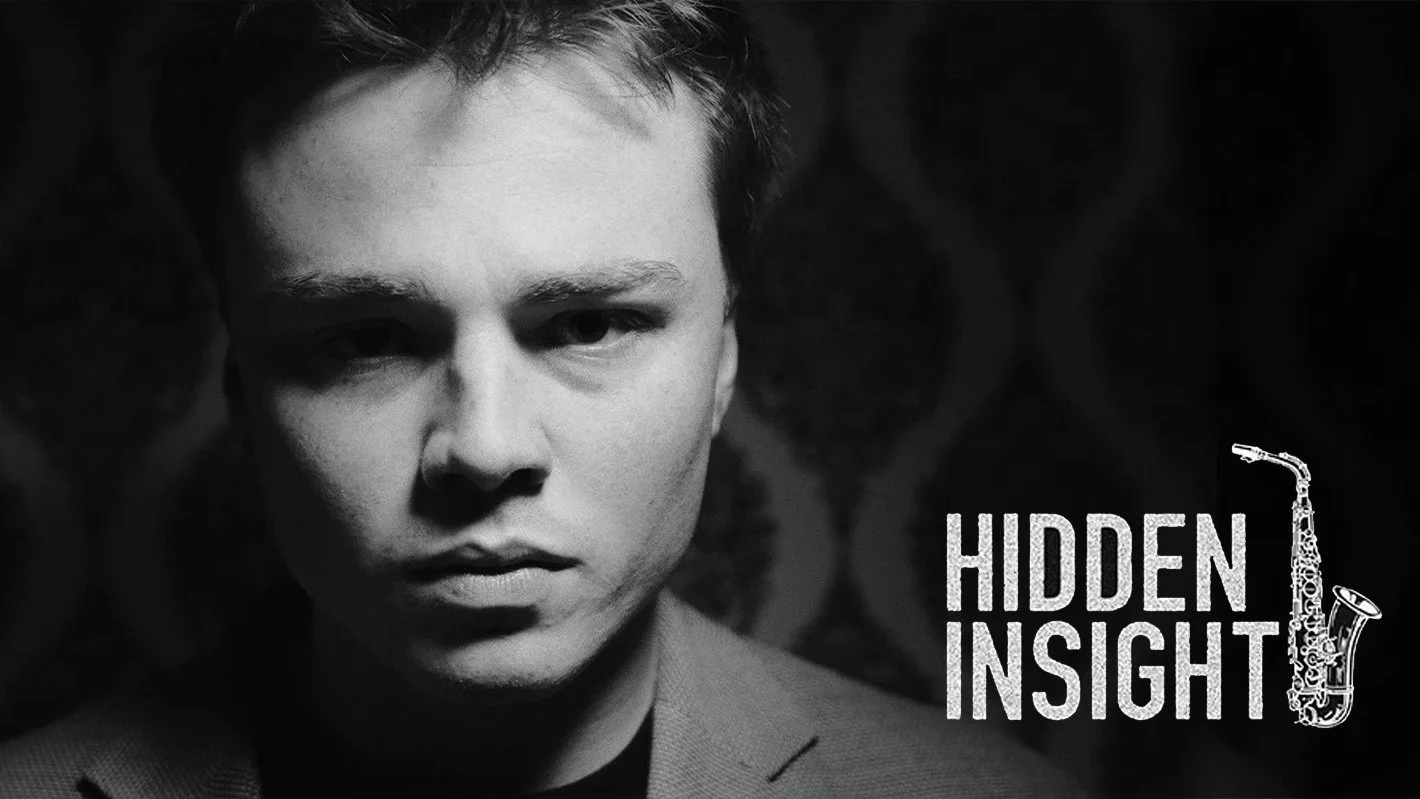
Hidden Insight
An aspiring jazz musician suffering from social anxiety learns to find his place in the world through music.

Produced & Directed by James Hastings & Ben Ashton
Written by James Hastings
During a conversation with his psychiatrist, Elliot, an aspiring jazz musician suffering from social anxiety, learns to find his place in the world through music.
ABOUT THE FILM
Ben Ashton and James Hastings won the grand prize at the 2021 Kino London Short Film Festival (the year we had to host our festival online… thanks covid!) with SEND IN THE CLOWNS unlocking our film fund. HIDDEN INSIGHT was produced early 2022 and is fresh off the festival circuit.
ABOUT THE FILMMAKERS
BEN ASHTON has been a professional actor since graduating from the world renowned drama school, Bristol Old Vic Theatre School. He trained in all forms of theatre ranging from Classical Theatre to Contemporary Theatre, Screen, Radio & Stage Combat. Since graduating Ben has gone on to perform professionally on stage and screen for many companies including the Royal Shakespeare Company, Guildford Shakespeare Company, The Watermill Theatre, Reading Between the Lines, Creation Theatre, BBC Television, ITV, BBC Radio 4 and many more.
JAMES HASTINGS first turned industry heads when he set up his independent film production company Hastings Infinity Films at the age of 12. He has since worked on numerous award-winning projects, including The Distance, a short film he took to Cannes film festival, being one of its youngest directors to attend. He made his feature debut at the age of 16, Raymond’s 5 (2017), which was funded through a successful Kickstarter campaign and distributed on Amazon Prime. After winning the inspiring young filmmaker award in 2017, James became a Global Youth Ambassador for RoundTable Global.
READ OUR INTERVIEW WITH BEN & JAMES
Tell us about the genesis of HIDDEN INSIGHT Where did you get the idea and why did you choose this project to focus on?
JAMES: As an enthusiast of jazz, it’s always been something I wanted to incorporate into a film, so after much brainstorming we developed the idea of a young musician dealing with mentalhealth issues, a timely subject worthy of exploring, and overcoming it through his passion for jazz. The themes of the film came partly from my own experience, with my creative passion being film often becoming a source of escapism in my own life. Our protagonist must balance his self-conscious, socially-anxious thoughts with his desire to live up to his heroes,the jazz maestros of the past, specifically saxophonist Charlie Parker. This combination led him to comparing his abilities to others and questioning his own self-worth.

Tell us about your experience winning the Kino fund and how it changed the way you approached making Hidden Insight? I know at first you were thinking of utilising our fund for a different project altogether - can you talk about the evolution of the development process?
BEN: When writing the story and then turning it into a fully-fledged film, it wasn’t in my thought-process that it could perform well at festivals and appeal to others - I just wanted to make the film I felt passionate about and spent years developing. Therefore winning the Kino Fund was a huge honour and something I’m very proud of and grateful for. At first we were thinking of utilising the fund for another film that I had written, but, in all honesty, we just didn’t have the resources, even with the generous fund that Kino provided, to create in the short amount of time (it’s set in the 90s and involves a house fire etc). James then pitched his script of Hidden Insight and due to James being integral in creating Send in the Clowns,with many hours of hard work, expertise, sweat and tears, I felt it would be a great project to do. The characters had many layers and I was interested in the challenge of creating the film within a small budget.
JAMES: Winning the Kino Fund was a huge honour and not only were we provided the funds, but the support and encouragement every step of the way. Originally, Ben had the idea for a different film which we decided to put on hold, due to various reasons. So, once we pitched our new idea to Dustin, he was very understanding and shared his ideas and feedback allowing us to get the ball rolling on something completely new.


What were some of the main obstacles you experienced when making Hidden Insight and how did you overcome them?
JAMES: When music performances are involved, another layer of difficulty is automatically added. Not only would we need original songs, but we needed actors who could sing and play instruments. Having established Elliot’s influence as Charlie Parker, we delved into his recordings, hearing the quick unpredictable bebop style he is so famous for, and whilst using it as inspiration, chose to slow it down, as if Elliot slowed Parker’s notes down to the speed of his own life. The songs were written by my sister, Sophie, and orchestrated by Archie Combe, with the Sax recordings by musician, Steph Plunkett. We were very lucky to find such talented actors willing to dive into their roles and work extremely hard to pull it off. Max Hoftgartner (Elliot), had just a few weeks to learn the Sax, and Jordan Wallace had only a few hours! Katie Mckenna pulled off her vocals phenomenally and so between them we had an awesome ensemble who I believe nailed it.
BEN: Only one thing I’d like to add is the challenge of creating this film with a small budget and timescale. We only had the theatre space booked for one day and being able to film all the interior shots was always going to be tough.Cast and crew worked tirelessly together to ensure we shot what we needed to shoot and it was a buzzing collaborative experience.
Tell us about your festival journey. Any tips and tricks for other filmmakers?
JAMES: Festivals have always been a little mystifying to me. It’s always a great delight to get accepted, but I've never gone in with a game plan or enough financing to enter all the ones I’m interested in! Hidden Insight is currently on the circuit and we are waiting to hear. If I had any advice it would be to devise a list of the festivals you think would help you as a filmmaker, because from our experience with Kino, you may end up receiving a great source of support and community of like-minded filmmakers.


What do you think is the biggest challenge short filmmakers face trying to break into the industry?
BEN: I think the biggest challenges short filmmakers face is having the resources and time to develop and nurture the craft of filmmaking. You can absolutely create films with no budget and with little time but there comes a point that when you want to step up to the next level, there needs to be sufficient budget and time set aside to enhance the creativity. The short filmmaking industry is huge and needing to stand out and be original is important within that network. However, I strongly believe in creating a film/story you are passionate about and believe in, and to not worry about originality or if it will appeal to others: make the film you want to make and I’m sure others will like it.
JAMES: The road to the industry is a difficult one and it’s a road I’m still on. The journey is a marathon, not a race and for me the best way to be a director is… to keep creating my own work. I’m always thinking about what the best route is? And the answer is there isn’t one single route - All you can do is keep going and keep being creative!
What are you working on now?
JAMES: I have a few projects in the early stages of development - I’m currently writing a feature film, a musically narrated story of three brothers reunited at the death of their father, and their hundred mile journey along the Cornish coast with his coffin on their backs and his memories in their hearts.
BEN: I am currently working on being a father. I have a 9 month old and it’s been amazing to watch him develop and grow and to be around to witness all that. The film projects are on hiatus for the moment, however, there is a feature, Queen of the Redwood Mountains, in which I play the priest, that is due to be released into the festival circuit very soon. It was directed by Nic Saunders and was the last film Gavan O’Herlihy starred in before his passing. A fantastic actor and a privilege to share the screen with.


Any film recommendations that we should add to our watchlist?
BEN: I recently watched Captain Fantastic, written and directed by Matt Ross and starring Viggo Mortensen - a gem of a film and brilliant performances from the adult and child cast.
JAMES: I’ve been on a Cronenberg spree lately, so I’d say check out ‘A History of Violence’ and ‘Spider’.
Interested in getting your work selected as Short of the Week?
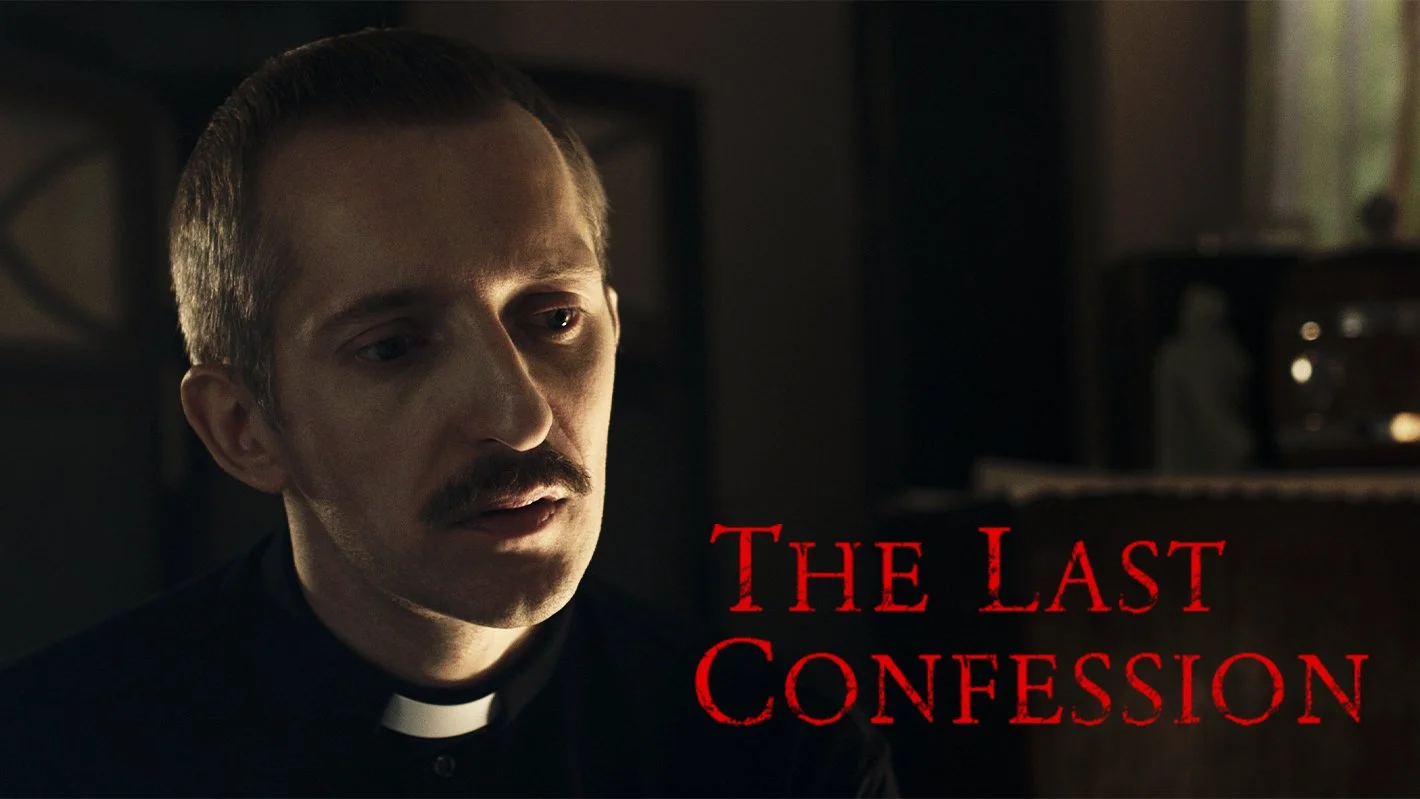
THE LAST CONFESSION
On his deathbed, a Nazi calls a Priest to confess his darkest secrets.

Directed by Dustin Curtis Murphy
Written by Kev Hopgood
Produced by Kev Hopgood & Marius Smuts
A dying old man summons a priest to his bedside. The old man seeks to undergo the rite of the last confession. He's abrupt and cynical, and he confesses to a litany of transgression, from being a cold father to cheating on his wife to being a guard at a Nazi concentration camp. But as the priest listens, the old man shares the one redeeming thing he's done with his life.
As a guard, he saved a young Jewish woman from the gas chambers, who managed somehow to stay alive despite the fatal gas. He hides the woman and keeps her alive, until one day she disappears mysteriously. But as he confesses, he reveals her fate -- as well as his reward for his act of goodness in his life.
ABOUT THE FILM
Screenwriter/producer Kev Hopgood brought a draft of THE LAST CONFESSION to a Kino writer’s group held spring 2019 where he met director Dustin Curtis Murphy. They joined forces and the film was shot summer/fall of 2019. Once released it was a Golden Stake Award Winner at Shockfest and Nominated for Best Short Film at Unrestricted View Horror Film Festival, both in 2021, before being released on Omeleto in summer of 2022. Omeleto hosted the film on their channel for 6 months, earning roughly 20,000 views, and the film is now hosted on our Kino Short Film YouTube channel.
ABOUT THE FILMMAKERS
Dustin (director) is no stranger to the Kino community. He is an award-winning writer, director, and producer creating work at the crossroads of social impact and commercial crowd-pleasers. His work focuses on character driven narratives with relevant social themes and tightly structured plots, often working in blended genre. Loves a good twist.
Dustin has produced 2 web-series, 1 feature film, and 9 short films that have been recognized by Academy Award, BAFTA, and BIFA qualifying film festivals.
Filmography highlights include:
COYOTE - a dystopian sci-fi starring Therica Wilson-Read (Netflix's The Witcher), Borislava Stratieva (Luther: The Fallen Sun), Ailish Symons, (The Widow) and BIFA Winner Ruhtxjiaïh Bèllènéa (The Last Tree).
SAMARITAN - Selected for the Climate Story Lab run by Exposure Labs, BFI Network and Doc Society. Winner: Best International Short at the Sedona International Film Festival and the Grand Prize at The Weather Channel's #EarthFilmChallenge; Semi-Finalist at the Academy Award Qualifying Flickers’ Rhode Island International Film Festival. Distributed via Omeleto.
Kev (screenwriter & producer) started his comics career in the mid-1980s, working as a penciller on the Marvel UK strip Zoids. Work for various titles followed, including Action Force, Doctor Who and 2000 AD, where he co-created the series Night Zero. He went on to a three year stint as penciller for Iron Man for Marvel in the US. During his tenure he co-created the character War Machine, who has spawned numerous spin-offs and made major appearances in the Iron Man movies. Past and current clients include Marvel Comics, Games Workshop, Oxford University Press, DC Thompson, BBC Worldwide, Macmillan, 2000 AD, Franklin Watts, Pearson, Barrington Stoke, Real Reads, Cambridge University Press, Eaglemoss, Usbourne and Badger Publishing.
Kev currently divides his time between working in comics, the wider world of children's illustration, and for pleasure he enjoys making short films.
READ OUR INTERVIEW WITH DUSTIN
Tell us a bit about yourself and your filmmaking background.
My name is Dustin and I’ve been making films since I was a kid in the backyard using my parents home video camera. My debut was a western with double-sided tape and paper mustaches, stick horses, and starring a 10 year old version of myself.
Being raised in California I was lucky enough to have video production taught at my Junior High and High School, and quickly became teachers pet, over delivering on film project homework. My dad bought me college level film curriculum that I studied long before it was time to put in college applications and I began touring festivals at the age of 14 with my student shorts which leaned heavily into one of my favourite influences - The Twilight Zone.
In my senior year I won Shriekfest in Hollywood with my short film Repossessed - about a serial killer that intentionally doesn’t pay his month car bills in order to lure repo men as his next victim, steals their identity, and repeat. The same year I optioned my first feature screenplay and entered the industry as a production assistant, so I decided to start getting real world work experience instead of going to a film school that would put me in debt for the rest of the my life and make me sit in a classroom for my first two years learning theory. I’m a big advocate for learning to make films by actually, well, making films!
I’ve also worked a lot in theatre and learned so much there about the creative process and working with actors, which if you’ve seen The Last Confession makes sense - it’s style and structure is very theatrical and I could easily see this scene being performed on stage.
While my first screenplay fell out of option un-produced I continued to write, direct, produce and edit my own short form content including a 50 episode web-series and several short films - my most successful being Samaritan (2020) which won the Weather Channel’s #EarthFilmChallenge and Best International Short at the Sedona Film Festival, among other festival successes, and eventually premiered on Omeleto - the largest YouTube channel for short film.
I’m currently a working director, producer, writer and editor living in London and daily doing the hustle.
Tell us about the Genesis of The Last Confession?
The script for The Last Confession first came to my attention at a Kino writer’s group at a pub in London. Kev pitched his idea and the following day I reached out to him via email to tell him that I was interested in directing if he’d have me. He said yes and we quickly wrangled preproduction shooting the film in late 2019.


What obstacles did you overcome while in the making of this film?
Typically, I also produce the short films that I direct. With The Last Confession is was nice to have Kev and Marius handle the logistics so I could focus on the creative.
From what I hear, the hardest part was wrangling the location for the gas chamber. You’d think a dank old basement would be easy to find in London, but many of those type of filming locations wanted a fortune. We were lucky enough to find a theatre in Kent that had a basement they were willing to let us film in on the cheap.
So the takeaway for any producers out there reading: Travel costs can sometimes be lower than paying for a location in your area (but maybe not anymore with the freaking gas prices).


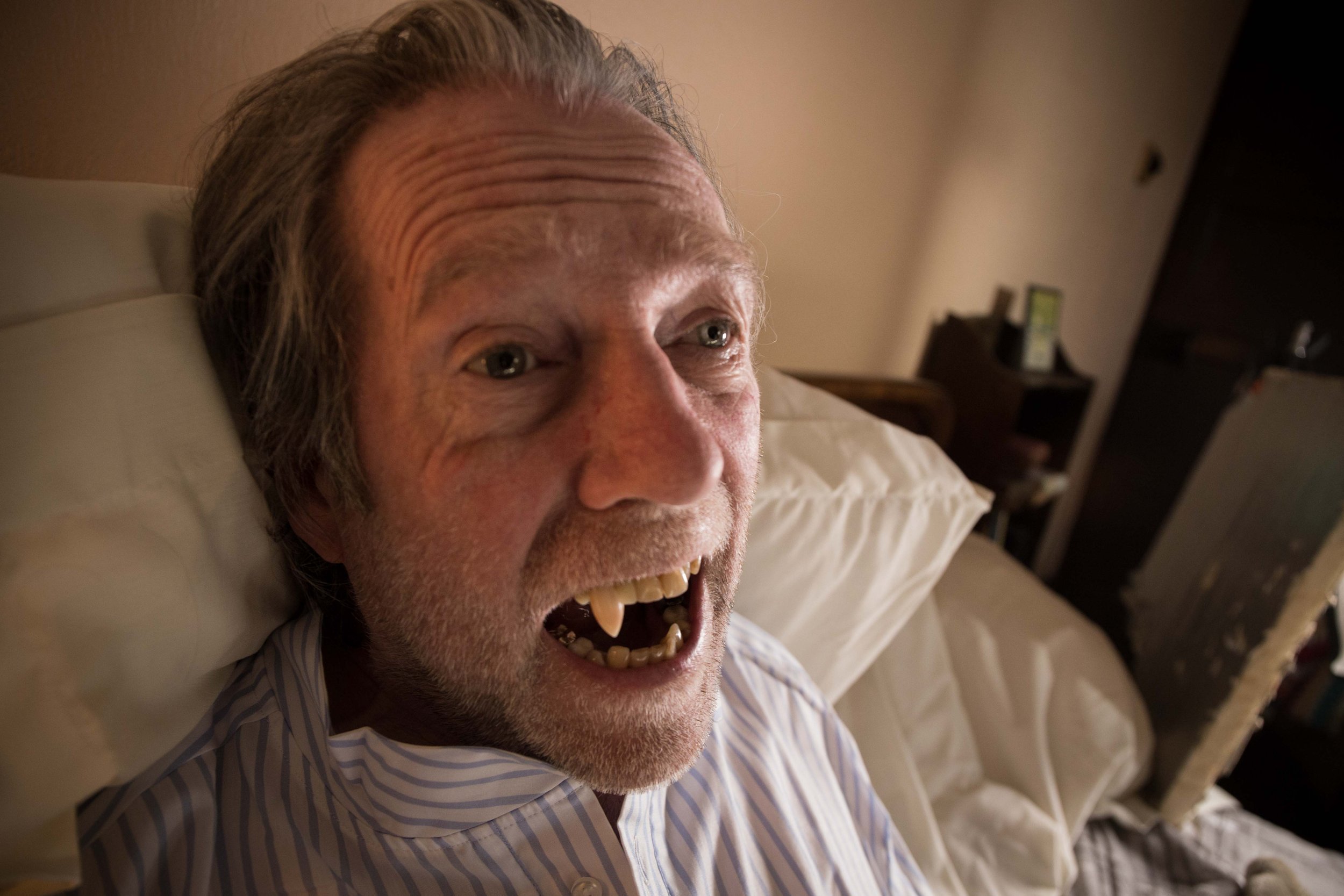
Tell us about the journey of getting your film to audiences.
Okay, so I’ll be honest, this film totally tanked on the festival circuit. We played at two festivals - Unrestricted View Horror Film Festival in London (where we were nominated for Best Short Film) and Shockfest (which gave us a Golden Stake Award - sounds fancy, but hey give out about 90 of those awards every month). Anybody whose had their short on the festival circuit, and is willing to be honest about their experiences, will tell you that they receive more rejections than Official Selections. It can really wreck havoc on your mental health if you let it.
But… film festivals aren’t the only way to get your short film seen. Some filmmakers aren’t too keen about getting their work online. They’d rather be in a cinema at a festival because it’s always great to play to a live audience. But even the biggest festival audience typically gets less eyeballs on your film than the most modest online premier.
Perhaps you think a big successful festival run is needed to land distribution on a big online shorts platform, but that’s not always the case. It’s fine to skip the festival circuit altogether if you’d rather avoid a headache, and sometimes you’re just sitting on a brilliant film waiting for a year of rejection to pass by before getting it online - why not just release straight online if you can?!
In my case, relationships help. Omeleto had previously premiered my short film Samaritan. After that I’ve got them involved in Kino and, as a curator of short film myself for the Kino London Short Film Festival, I’ve sent other great shorts I’ve come across in Omeleto’s direction. When I approached them about The Last Confession, I was honest about its failings on the festival circuit and fully prepared for them to say “Thanks, but no thanks.” But to my surprise, they liked it and gave us our premier.
Words of wisdom. What advice would you give to other filmmakers?
I’ve seen too many aspiring filmmakers spin their wheels because they want their first film to be a masterpiece. It’s definitely the right idea to strive to make a film to the best of your ability, but no one is going to grow as an artist without practice. So… don’t be afraid to fail.
If you start writing and the script isn’t turning out the way you want it to, then don’t give up by shelving the script. Get some feedback from an experienced writer whose work you respect and a write a couple drafts. BUT… it’s also important to not end up in an endless feedback loop of rewrites. Incorporate the feedback that resonates with you and discard the feedback that doesn’t. Whatever you do, don’t chase your tail trying to please everyone by incorporating everyone’s contradictory notes. Know what your film is. Know what your film isn’t. And listen to the people who want to make your film the best version it can possible be. Don’t listen to people who want to highjack your vision and turn your project into something else. I personally think that every writer can get where they need to go in no more than 5 drafts. Iteration for a short film should take no longer than a couple of months.
Once your script is ready, get it into production any way that you can. Sure, aim for that DOP with a cinema camera and that producer who won a BAFTA, but when they ghost you (as happens with most cold call emails) then it’s time to get the film into production yourself. Shoot on a DSLR or iPhone if you have to. Just get the project made. Don’t wait for perfection. An imperfect, but completed, film is better than a perfect film that only lives in your head.
Once you’ve shot and edited the film, chances are you’re gonna be so over saturated with watching it that you’re not gonna be in a position to accurately assess how good/bad your finished project is. Like with your screenplay, get some feedback and just keep moving on to the next step which is: getting your film seen (by any means necessary).
You may be embarrassed to show your film because it didn’t turn out the way you’d hoped, or you may just want to get into production on another film because you’re not a natural marketer. BUT… the experience of watching your film with a live audience will help you grow as a filmmaker. Feeling the vibe of the room when screening your work helps you understand which aspects of your film work and don’t work.
AND… it’s not about chasing festival laurels. There are so many festivals out there that aren’t really festivals, but they’ve give you a .png file to make you feel good because the big boy festivals are brutal with machine-gun spraying rejection letters. A good middle ground is aiming for mid-tier festivals. Not only because your chances are higher in a smaller submission pool, but also because mid-tier festivals typically have a passionate team behind them who oftentimes are filmmakers themselves. I’ve found that curators who have filmmaking experience tend to truly care about curating the best quality films. Some of the bigger festivals receive an overwhelming amount of submissions and oftentimes their programers aren’t people with filmmaking experience so they tend to prioritise films with relevant social trends vs craft filmmaking. I know you want that Academy Award qualifying laurel on your poster, but honestly at the end of the day it doesn’t make that much of a difference. I’ve chatted with BAFTA nominated short filmmakers who you think would have found the keys to the pearly gates of feature filmmaking via their short form success, but the truth is no one is really knocking down doors to provide a plethora of opportunities for short filmmakers at the top of their game. You have to knock down your own doors.
And finally… let’s say that you get rejected from festivals. Screw ‘em. There’s other ways to get your film out there, like Kino’s Short Film Open Mic, sharing it online with friends and family in the hopes of getting in trending, sending it to short film blogs and websites, or even using your short film as a calling card when direct emailing potential future collaborators.
What are you working on now?
I’m currently in post-production on my debut feature film, COYOTE, a dystopian sci-fi about how newly developed teleportation technology affects the refugee crisis. It star Therica Wilson-Read (Netflix’s The Witcher), Borislava Stratieva (Absentia), Ailish Symons (The Widow), and BIFA winner Ruhtxjiaïh Bèllènéa (The Last Tree). We’re going to market with it this year and aiming for a top tier distributor to help us with a wide release in 2023.
Any film recommendations that we should add to our watchlist?
Some of my favourites I’ve watched lately:
THE WAVE (2020) a great indie feature starring Justin Long. Think FEAR AND LOATHING IN LAS VEGAS meets AFTER HOURS meets time travel.
tick, tick, BOOM! (2021) is simply one of the best films ever made about what it’s actually like to be a creative trying to get your big break.
THE EYES OF TAMMY FAYE (2021) was one of my favs from last years award season. Got way too much hate/indifference. Andrew Garfield should have won Best Supporting Actor for his performance, but he wasn’t even nominated. (Granted, he was nominated for Best Actor in a Leading Role for tick, tick, BOOM! and I still haven’t seen CODA which actually won Best Supporting Actor.)
Not a film, but current series that I think are worth the watch:
OUTER RANGE - Part western, part sci-fi. Great cast! Josh Brolin just as good as ever and Imogen Poots gives her best all time. Also great to see Lili Taylor again in a major release after all these years (“Joe lies.”)
SEVERANCE - Stylish sci-fi with Ben Stiller at the helm giving his career best (off-screen). John Turturro and Christopher Walken have a thing for each other!
Apply to get your short selected as our Weekly Pick
SAMARITAN
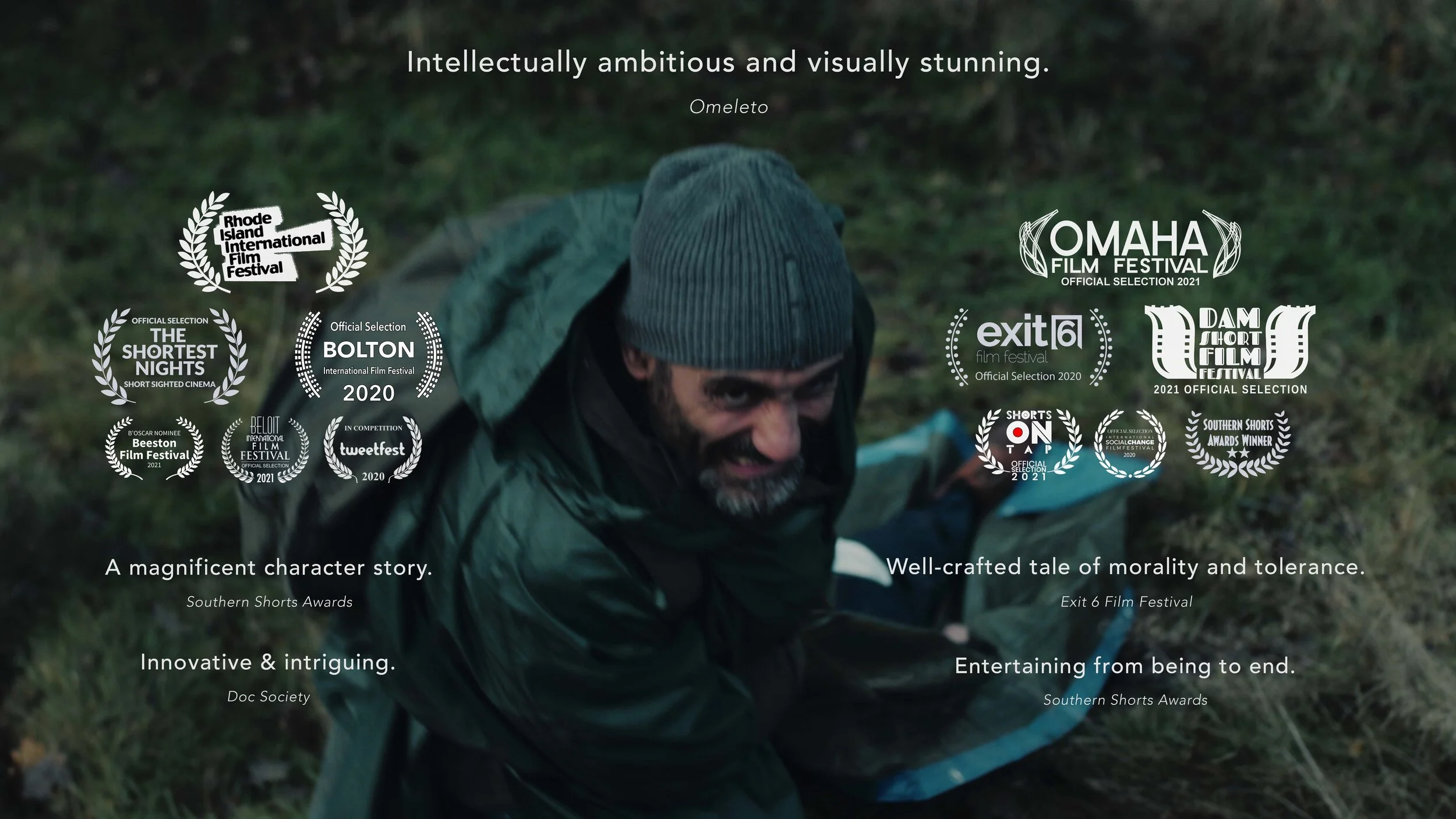
An immigrant doctor, fearing deportation and living off grid, stumbles upon the unconscious body of a racist politician whose been kidnapped and left for dead.
Written & Directed by DUSTIN CURTIS MURPHY
Produced by ADDY RAJA, NICCI BRIGHTEN, & DUSTIN CURTIS MURPHY
Starring CHRIS KYRIACOU & PETER ORMOND
Cinematography by JOSH BIRCH
Assistant Director TOP TARASIN
SAMARITAN was selected for The Climate Story Lab (March 2020) supported by BFI Network, Exposure Labs & The Doc Society.
THE LAST CONFESSION

Franz – an old, dying man, and former Nazi, calls a priest to his bedside for his last confession. But Father Kramer finds him chillingly unafraid and unrepentant. The story Franz tells, and what happens next, will go beyond the darkest imaginings of his confessor.
Writer/Producer Kev Hopgood is a Kino regular, having screened his previous shorts (STORY TIME & COLD CALLER) at our Short Film Open Mic. Kev brought his new WWII horror project to a Kino Writers group last summer and within a matter of days director Dustin Curtis Murphy came on board joining Kev and co-producer Marius Smuts. With the help of Greenlit the film was successfully crowdfunded and we had two days of production in the fall/winter of 2019. We’re currently putting the finishing touches (score and sound design) on The Last Confession with intentions to release it this summer.
Directed by DUSTIN CURTIS MURPHY
Produced by KEV HOPGOOD & MARIUS SMUTS
Written by KEV HOPGOOD
Starring PAUL BASSETT DAVIES, ADAM WITTEK, ROSE MUIRHEAD & RAY CALLEJA
Cinematography by JOAO DA SILVA
Original Score by PETER LEWINGTON Peter Lewington
Sound Design by JOHN MELLOR
Head of Makeup JO CHANG SMUTS
Makeup Artist ALEX PALUMBO
Visual FX by HOWARD GARDNER
Colourist MAX PRESKY