

Needle and Light: Victoria Villasana
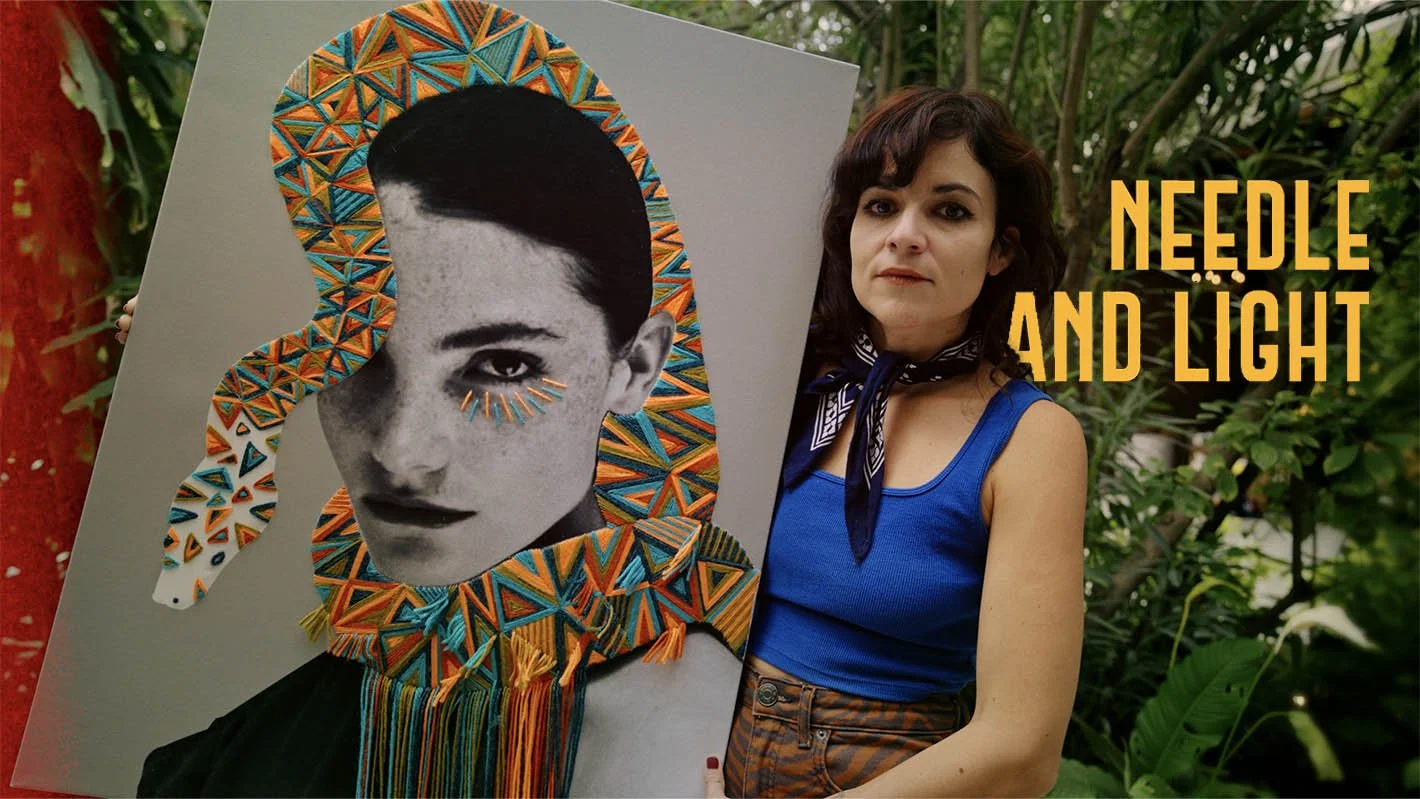
Mexican textile artist, Victoria Villasana’s work is vibrant and emotional, with each piece telling a story through the blending of thread and monochrome photos.
Directed by Felicia Manning
Cinematography by Jesse Aragon
This short documentary explores the creative process of Mexican textile artist Victoria Villasana. Her work is vibrant and emotional, with each piece telling a story through the blending of thread and monochrome photos. Victoria’s careful selection of colors, geometric shapes, and forms brings her vision to life. We delve into her sources of inspiration, the power of working with her hands, and her unique approach to art.
ABOUT THE FILMMAKER
Felicia is a self-taught Mexican-American director and writer based in Los Angeles. She is deeply passionate about human-interest stories, particularly those that offer intimate glimpses into everyday life. She founded Feee Films, an independent production company producing narrative-led commercials, branded content, animation and digital content with a focus on authenticity and story.
Her work has been featured in various publications, including Vogue Italia, Beyond the Short, Booooooom, Girls in Film, and Directors Notes. She is a Women in Film Mentee, a Stowe Producers Lab Fellow, selected for the DGA/AICP Commercial Director’s Diversity Program, and shortlisted for the Cannes Lions Young Director Award.
Felicia's short films have gained recognition at renowned and Oscar qualifying film festivals such as HollyShorts, LA Shorts International Film Festival, Dallas International Film Festival, SCAD Savannah Film Festival, Indie Memphis, and numerous others. She is drawn to intimate stories that delve into the complexities of the human condition, often focusing on the experiences of women and BIPOC characters discovering their strength. Felicia is continuing her filmmaking journey with both commercial and feature-length projects within her production company, Feee Films.
READ OUR INTERVIEW WITH FELICIA
When did you first become aware of Victoria's work?
I found Victoria’s work through an artist account on Instagram that highlights women artists. Her work immediately struck me and I followed ever since.
What kicked off this project? Did you bring the impetus to this project, or were you brought on more as a facilitator?
I had the inclination to film Victoria’s process and capture her story so I eventually reached out to her directly with a deck and presented my approach.
You chose to shoot Needle and Light in multiple formats - both digital and analog. Do you frequently work in multiple formats or is this your first foray into this creative methodology?
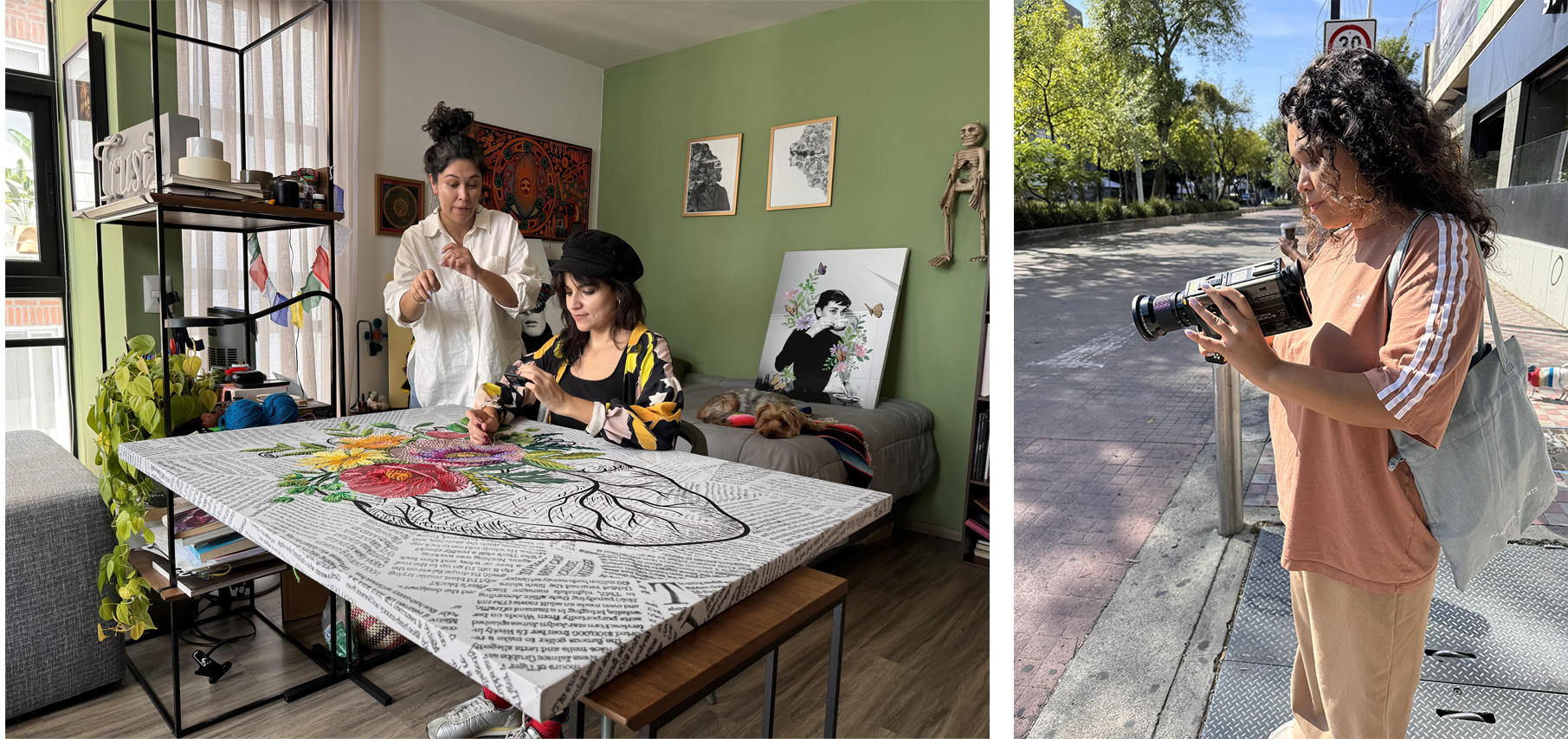
That was an approach that came as a result of Victoria’s work. She uses multiple formats and in working with my DP it made sense to also adapt to multiple formats.
Can you talk about your motivation for choosing multiple formats in exploring Victoria's work? Why was shooting both film and digital the right choice for this project?
I feel like Victoria’s work utilizes two dynamic styles, black and white portraits, many times of important figures, and contrasts that with vibrant thread giving the work a tangible texture. In terms of film, that really translated well into digital as a reflection of the portraits and 8mm film as the grain linking us to her textile material.
How much of the narrative did you establish prior to shooting and how much was discovered in the edit?
I had a pre-interview with Victoria, really just a conversation, where I learned about her process, her point of view, and where she came from. She’s naturally a strong storyteller so all I needed to do was capture her story in person. I had visual references and discussed approaches with my DP in finding a way to reflect the motion of her threading through the swift camera work. However, I wanted much of the content to be capture organically and very doc-style so we discovered the bulk of the footage on-location in Guadalajara with Victoria.
What advice or hacks would you give to other short filmmakers?
If you have any connection with a story or subject matter pursue it. Find the most minimal way to tell that story by taking it a step at a time and the project can become a reality. It’s better to make your film than standby for the perfect circumstances. Hacks? You would be surprised who is open to supporting you if you’re really clear on your vision from crew to talent.
What are you working on now?
Right now, I’m in pre-production on my next short film, BASELINE, it’s a tennis drama where a mom and son meet on the court after some distance. I’m excited to capture a sport on film blended with a dramatic story.
Any film recommendations that we should add to our watchlist?
I’ll throw it back to a film that impacted me called THIRTEEN by Catherine Hardwicke. It’s a really raw film following two young girls in middle school and things just spiral out of control. Not only is the film pretty intense, but I love how it was made. Catherine Hardwicke was a production designer that wanted to direct, she wrote the script with Nikki Reed the lead actor who shared her personal experiences for the story, and Catherine intentionally designed the film in a contained way so she could afford to make it.
Apply to get your short selected as our Weekly Pick

Alone Across Gola
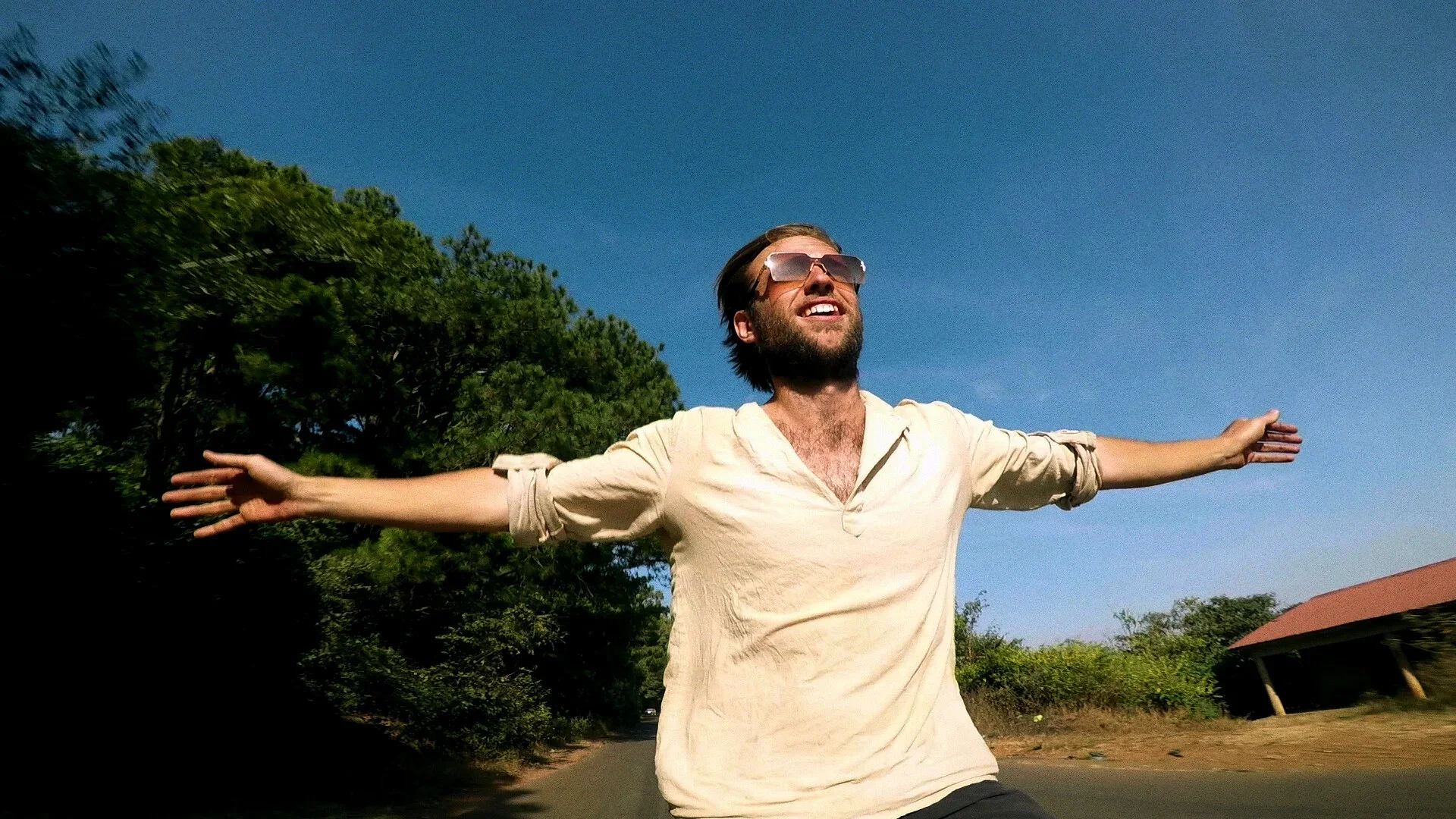
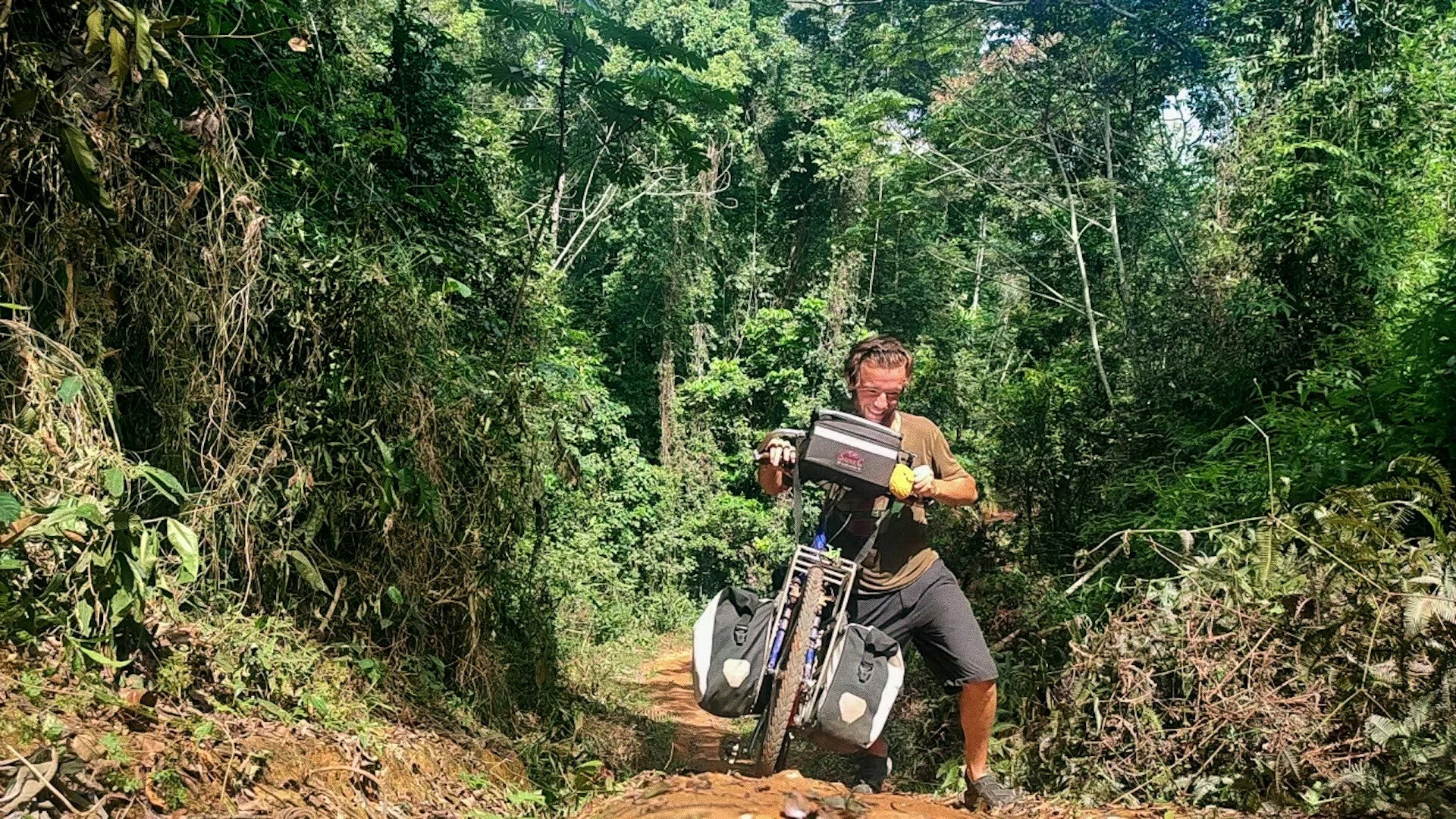
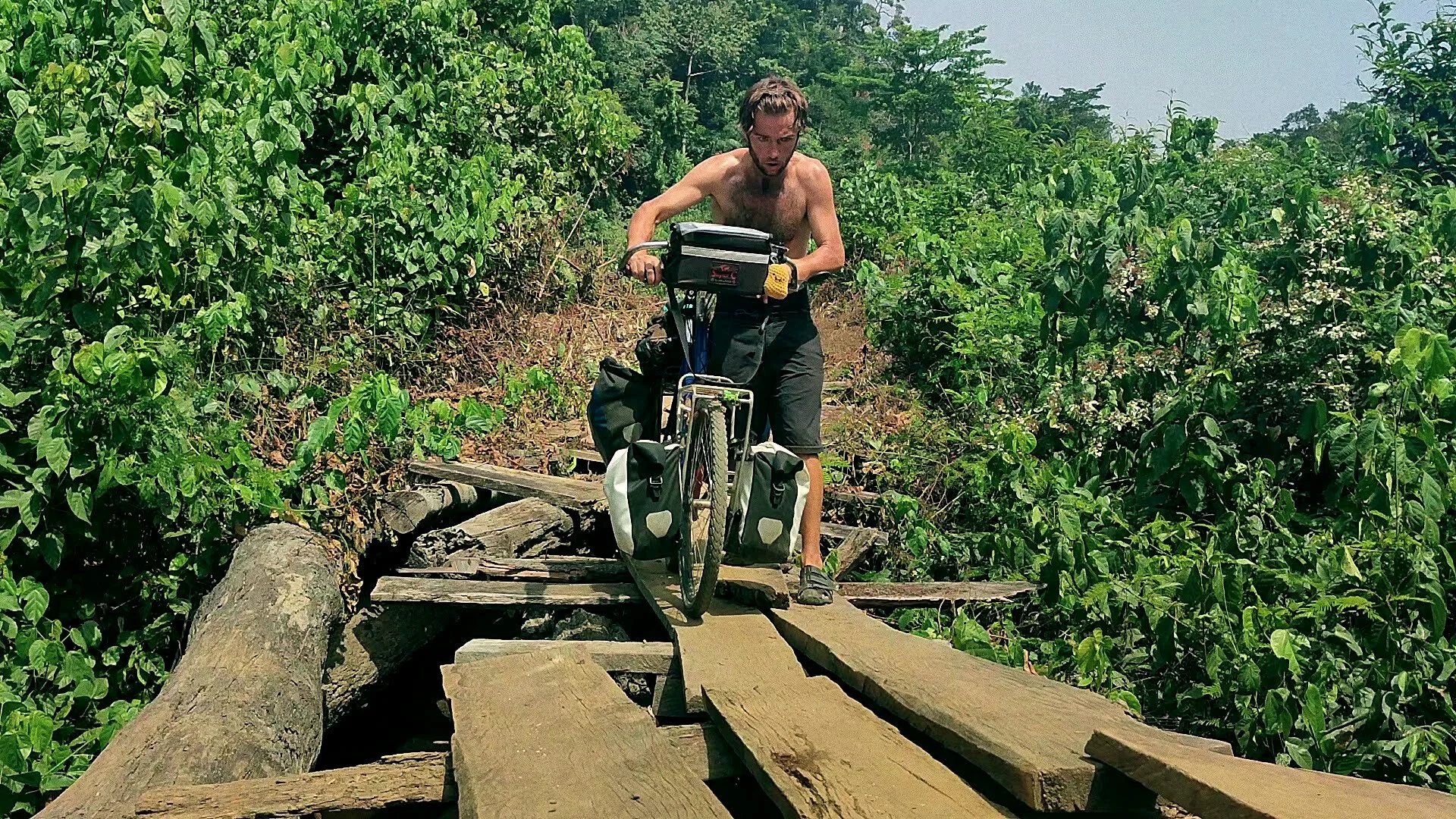
Follow Jude’s extraordinary solo journey through Liberia's dense Gola rainforest - a landscape uncharted by roads or paths, where every step meant battling through thick undergrowth with nothing more than a bicycle and a tent.
Written, Directed & Produced by Jude Kriwald
Edited by Christian Burnett
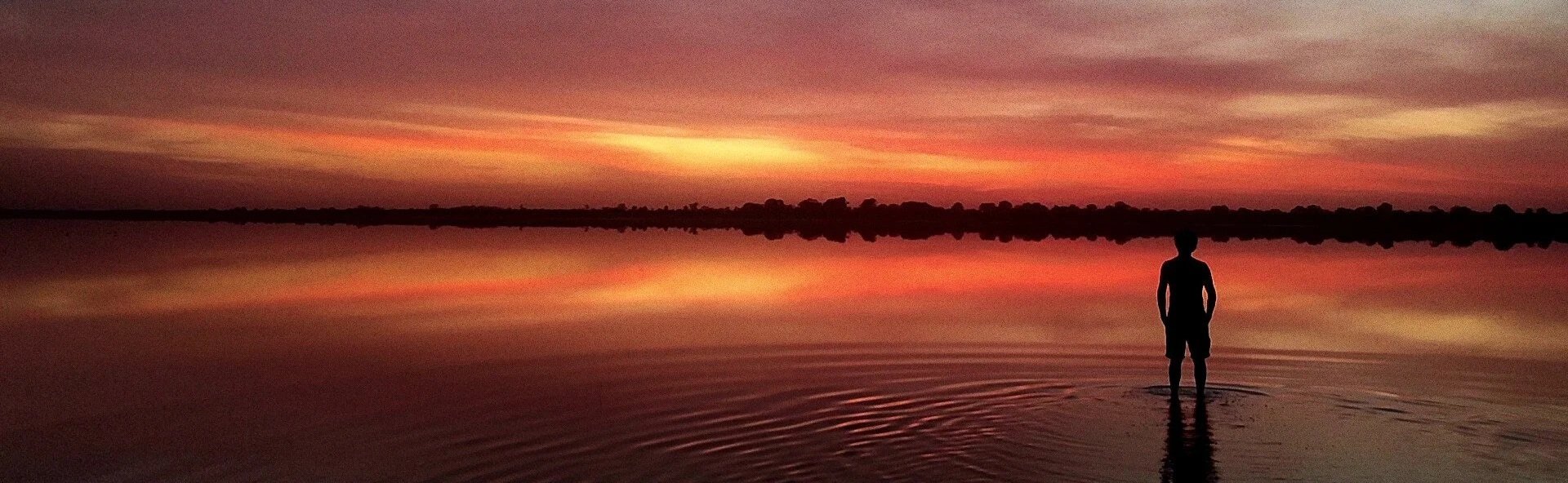
Alone Across Gola is an award-winning adventure documentary by debut filmmaker Jude Kriwald. This gripping short film follows Jude’s extraordinary solo journey through Liberia's dense Gola rainforest - a landscape uncharted by roads or paths, where every step meant battling through thick undergrowth with nothing more than a bicycle and a tent.
His clothes drenched with sweat, Jude carried his 53kg bike over fallen trees, navigated ravines with collapsed bridges, and faced life-threatening moments. It’s an adventure that pushes the limits of endurance, self-reliance and the human spirit, and often has Jude asking “is this route even possible”, all whilst filming the endeavour totally unsupported.
The film goes beyond clichés of gnarly adventure to offer a reflection on the struggles of pursuing childhood dreams that often get sidelined by the pressures of modern life. Through moments of profound introspection, Jude’s journey asks: What happens when we step off the beaten track of our careers and everyday routines to follow the dreams we thought we’d left behind?
ABOUT THE FILM
ALONE ACROSS GOLA won Best Micro-Budget Short at our BIFA qualifying film festival this past summer 2025. Other festival awards highlights include winning Best Short Documentary at the London Global Film Awards and Best Documentary at Phoenix Rising Film Festival and Feel the Reel Film Festival. It was nominated for Best Documentary at Cambridge Short Film Festival and selected for the Royal Geographical Society Preview - Explore Symposium.
ABOUT THE FILMMAKER
Jude Kriwald is a first-time filmmaker from Bristol, UK. An experienced explorer, he has recently turned his hand to creating his first short film, a documentary edited by award-winning editor Christian Burnett.
Jude was recently named as Emerging Leader of the Year by the British Exploring Society, in recognition of his voluntary work as Basecamp Manager on their summer expedition. The expedition saw Jude and 11 other leaders guide 30 teenagers and young adults from difficult backgrounds on a life-changing and confidence-building two-week expedition in the Scottish Highlands.
In 2012, aged just 19, Jude cycled from England to India through regions such as Afghanistan and Tibet, whilst enduring temperatures as low as -31c and navigating malaria, typhoid, and being held up at gunpoint.
In 2023, Jude has opened his adventures up to the world. He is the founder of AdventureMentor.org, a service which offers free mentoring for people typically under-represented in the world of adventure. Through Adventure Mentor, Jude offers practical support as well as confidence and mindset mentoring to ensure that lack of knowledge, confidence or privilege should never be a reason someone misses out on the life-changing benefits of adventure.
READ OUR INTERVIEW WITH JUDE
Hi Jude!
Welcome to our Short of the Week series.
Alone Across Gola isn’t only your debut film, but it was also an Award Winner at our festival this past summer. Impressive debut! Can you tell our audiences a bit about yourself and your background?
I'm an adventurer interested in using challenging trips to explore what drives us, connects us and, sometimes, troubles us. My real passion lies in authentic adventures and I share these through film, public speaking and writing. Alone Across Gola is my first film and has exceeded all my expectations in terms of how much I've enjoyed it and how it's been received!
Let's talk about the genesis of Alone Across Gola.
This is a very personal documentary project. It's more about you documenting your ambitious journey vs scratching a filmmaking desire.
I assume the idea for the trip came before the idea to film it. Can you tell us about how and why you decided to take this journey, and when you decided filming would be a part of it?
Great question! I decided to make the journey through West Africa after ignoring, for too long, a burning desire to get back out in the wild. West Africa seemed like the perfect blend of fascinating cultures, untamed wilderness, and the right amount of large animals to make things exciting. I initially filmed the trip for my own YouTube series that I was editing and producing on the go, from West African hotel rooms. In the end, I got fed up with using my travel time for post production so continued filming and resolved to edit upon returning home.
It was only after having the wild, unexpected and immensely challenging experience on the jungle, the key vehicle of the film, that I decided to create a proper short film.
We usually ask filmmakers what the main obstacles were experienced when making their films, however, in your case the entire journey is one big obstacle that you had to overcome. Maybe you can chat about how documenting this trip added to the challenges?
That was a pretty unique challenge! I was truly alone in the jungle - no crew or fixers of any sort. So after 12 hours of slogging my bike across jungle terrain each day, often progressing only 7km every 24 hours, I'd have to sit up in my sauna of a tent and spend an hour copying files from my SD cards, onto my laptop and then onto my hard drive at night. That hard drive was the only "copy" I had of any of those files, so I always feared losing it.
Then there's of course the challenge of setting up tripods before any tough section of the jungle - essential if I wanted to capture the right footage to share the story back home. There were times when the going was just too tough and I didn't film - safety had to come first!
Let's chat about the editing process. Your film has a longer run time for a short, yet it's captivating every minute without a second of run time wasted. How much footage did you walk away with and what stuff ended up on the cutting room floor?
The best decision I ever made was to work with seasoned editor, Christian Burnett. He not only edited the film but mentored me through the whole post-production stage. I ended up with about 100 clips each day to choose from. There are still whole stories and fascinating sections that have never been seen as we were really conscious to keep the flow tight. We even discussed making it a feature film at the start, there was that much footage. On the other hand, once we had a tight cut, one of my favourite parts was going through and working with Christian to add short bits of space for the audience to breathe - it's such a high octane and emotive film that it felt important to allow people to catch their breath and reflect.
Tell us about the journey of getting your film to audiences and some of the festival circuit highlights and online release.
What advice or hacks would you give to other short documentary filmmakers?
The festival circuit was such a journey for me! It started with six straight "no"s but, by the end of its run a year later, I was getting almost all "yes"s, even from the big ones. That just showed to me that, rightly or wrongly, many festivals do look at how your film has performed at other festivals, and I had to build up organically. I also changed my film poster after that first run of rejections, working with a pro to make something more reflective of the film itself, which I think made a huge difference.
It's been such a momentous joy sharing it with audiences, and there are too many highlights to properly choose from. Ones that stand out are picking up the Audience Award at the very first festival I attended (English Riviera) - that meant a lot as all the "judges" were sat in the room with me! To finish, Alone Across Gola ended its festival run by showing at the Grand Rex in Paris, the largest cinema hall in Europe - where it also picked up an award - that was a night I'll never forget! As for its YouTube release, that's just been crazy, especially in terms of the viewing numbers - it's so moving to see people from around the world, that I'd never otherwise reach, resonate with the message and share that back to me.
My best tip would be to make sure you're applying to at least some festivals that are very specific for your niche (in my case mountain film festivals). That's where at least 50% of your selections are likely to come from, plus you'll meet people directly involved in your industry or interests. And don't be too perturbed if you get a load of "no"s at the start!
What's next for you, in terms of filmmaking?
Honestly, I'm not too sure. I've grown increasingly aware of how filming myself on adventures can detract from having an authentic adventure. I'm very interested in exploring more analogue adventures (e.g. no GPS or phone, navigating with a compass and the stars), so that would either require someone else to film or, alternatively, maybe I'll write about these explorations rather than make a film, we'll have to wait and see!
Any film recommendations that we should add to our watchlist?
Do all you can to see the short film Sand Dancers. I saw it recently at Kendal Mountain Film Festival - it left me inspired, deeply moved and with tears rolling down my cheeks.
Apply to get your short selected as our Weekly Pick

Milking The Dog
Phil Rochester battles to conquer Manchester's toughest standup contest, revealing the relentless drive of an artist to perform - even when he's not thanked by audiences for doing so.
Directed by Joe Murphy
Produced by Joe Murphy & Clare McCahery
Phil Rochester battles to conquer Manchester's toughest standup contest, revealing the relentless drive of an artist to perform - even when he's not thanked by audiences for doing so.
ABOUT THE FILMMAKER
Joe Murphy is a filmmaker based in the North West of England. He directed his first short documentary in 2024, which was a finalist at the BIFA-qualifying Kino London Short Film Festival and won Best Documentary at both the Shared Visions Film Festival and the Gloucester Independent Film Festival. With an early background in comedy, his focus has shifted towards intimate, character-driven documentaries, maintaining an eye for the small moments of humour in otherwise dark and challenging circumstances.
READ OUR INTERVIEW WITH JOE
Welcome to our Short of the Week series. Tell us a bit about yourself and your filmmaking background.
I originally started out as a teenager focused on comedy. I created an online sketch show with a couple of friends who were kind enough to perform in it, and I was surprised to find that some (I’ll reiterate—some) people actually thought it was funny. That gave me a bit of confidence when it came to writing and directing.
I ended up falling in love with documentary at university. One thing I hadn’t really understood before was that direct cinema often includes funny moments, even if the overall tone of the film is more serious. People tend to be quite funny in their daily lives without even realising it.
Milking the Dog is my first “real” film after graduating in 2020 - and my first-ever documentary. So, to me, it made sense to follow a story with comedy baked into its DNA. That familiarity helped when it came to the pacing and editing of a scene, and it gave me room to experiment and start figuring out my tone of voice.
Tell us about the genesis of Milking the Dog. Where did the idea come from and how did you develop that idea into the short that's now made its way out into the world?
In 2018 I was shooting b-roll for a student film about a brutal gong show in Manchester. Phil happened to be performing that night. After a short and rough set, we grabbed a quick backstage interview - only for Phil to ignore every question and launch into a wild story about performing at a pub where a man milking a dog stole the spotlight. The footage was totally unusable for that project, but in 2023 I finally reconnected with Phil and began making a film centred entirely around him - he’s definitely not a side character in someone else’s story.
As a filmmaker, I was drawn to rejection as a central theme. It’s a universal part of life that everyone experiences, and as a creative, you quickly learn it's part of the process. Stand-up comedy, in particular, offers the most immediate and unforgiving feedback - you get a laugh, a heckle, or silence. There’s no hiding from it. I wanted to make a film about someone who embraces that, and Phil is exactly that person. He creates for himself - not necessarily to “make it” as a comedian, but simply because he loves being on stage. That kind of drive is rare and admirable.
What were some of the main obstacles you experienced when making Milking the Dog and how did you overcome them?
The obstacles were mostly logistical - the film had the budget of a ham sandwich, like most indie projects. The only real way to overcome that was by massively scaling down the production - which, in the end, I think really benefited the film. One thing the low budget taught me is that you can make a documentary with just two people, as long as the director is comfortable handling sound. It actually helps the people that you're filming feel more relaxed and open, which leads to better and more honest material.
The real creative obstacle was making sure the film never strayed into exploitation. It would’ve been easy - and boring - to make a cringe comedy by just following a stand-up around and laughing at them bombing. I think the only way to avoid that is by never losing sight of the humanity of the person you're filming. Phil is one of the kindest people I've met, and I felt that as long as I conveyed that - and reflected some of our relationship within the narrative - we could steer clear of it becoming a cynical piss-take.
Tell us about the journey of getting your film to audiences and some of the festival circuit highlights and/or online release.
I first screened the film for friends and family - including Phil, who showed up with a bin bag over his head to avoid drawing attention to himself. My main goal was simply to share the film with as many audiences as possible. I submitted it to just a handful of festivals, hoping one might be interested. The response has blown me away - it’s been accepted into far more than I expected, including making the finals at Kino, which felt surreal. Since it leans into comedy, watching it with live audiences has been fantastic - people’s laughter tends to grow as the film progresses, which I take as a sign they’re warming to Phil.
One of my favourite memories is when I first sent the film to Phil. I woke up to three missed calls and a message - he’d planned to terrify me by pretending to be furious about how he was portrayed, before admitting he actually really liked it. A lot of the shoot was like that: Phil constantly trying to wind me up.
What advice or hacks would you give to other short filmmakers?
I feel like a fraud handing out any advice, as Milking the Dog is my first film, and I’ve learned so much from others at the various festivals I’ve been lucky enough to attend. I guess my main advice is to always focus on the story first and spectacle second - something that is attainable - and then frame the superficial stuff around it; otherwise, you could end up losing a lot of money. Taking a break from the film for a few weeks at a time usually helps me look at it in a fresh way and stops me from going crazy reviewing the same material constantly.
Also, befriend someone really rich and trick them into funding your film. I’m still searching for my sugar daddy.
Any film recommendations that we should add to our watchlist?
Streetwise (1984), directed by Martin Bell, is an absolute masterclass in documentary filmmaking. It follows a group of kids in Seattle who survive by selling drugs or partaking in sex work. The film conveys deep empathy without shying away from the harsh realities they face. The fact it was shot on film blows my mind, it must have been a logistical nightmare. It also just looks beautiful and serves as a powerful time capsule of 1980s America.
Crumb (1994) is an insane documentary. It follows Robert Crumb, who is a super controversial American artist, and to me, the whole thing plays like a repulsive stream of consciousness that perfectly matches the tone of Crumb's grotesque cartoons. A fantastic documentary about a collection of people I hope I never have to meet.
Interested in getting your work selected?

Contemporary
Explore the transformative power of art through the stories of three groundbreaking UK-based artists—Denai Moore, a vegan Jamaican chef revolutionizing cuisine; Mr Cenz, a graffiti artist reshaping urban landscapes; and Bimini, a drag performer pushing the boundaries of identity and performance.

Directed by Zaeem Asad
Produced by Emma Raz
Contemporary explores the transformative power of art through the stories of three groundbreaking UK-based artists—Denai Moore, a vegan Jamaican chef revolutionizing cuisine; Mr Cenz, a graffiti artist reshaping urban landscapes; and Bimini, a drag performer pushing the boundaries of identity and performance. This visually rich documentary celebrates their unique journeys, challenges conventions, and reveals how they are shaping modern culture by turning everyday moments into extraordinary expressions of creativity.
ABOUT THE FILMMAKER
Zaeem Asad is a London-based filmmaker known for his compelling commercials and documentaries. Having directed over 60 commercials, mainly in food and beverages, he brings a sharp eye for storytelling. His passion lies in crafting authentic narratives, capturing the lives of real people who challenge societal norms, and exploring culture and creativity through film.
READ OUR INTERVIEW WITH ZAEEM
Welcome to our Short of the Week series. Tell us a bit about yourself and your filmmaking background.
I’m Zaeem Asad, a London-based filmmaker. My career began in music and local TV before transitioning to commercials, with notable clients like Nestle and PepsiCo. I’m also known for directing Pakistan's first locally made food commercial. My passion for storytelling through visual mediums, particularly around cultural themes, led me to direct Katalina, a documentary about communal living in northeast London. In addition to filmmaking, I’ve always had a deep connection to art, which has been central to my creative journey.
Tell us about the genesis of Contemporary and your motivation for making this film.
Contemporary was born out of a shared passion for art between myself and producer Emma Raz. We both have personal connections to the arts—Emma through painting and I through music—that shaped our desire to explore how art influences contemporary society. The motivation for making this documentary was to showcase how art exists in everyday life, through unique perspectives like Denai Moore's innovative culinary approach, Mr. Cenz’s street art, and Bimini’s performances. We wanted to highlight the transformative power of art and its ability to shape identity and culture.
What were some of the main obstacles you experienced when making Contemporary and how did you overcome them?
One of the main challenges was coordinating with artists who have such diverse and dynamic practices. Each of them operates in unique spaces, from kitchens to the streets to stages, which made scheduling and capturing the essence of their work difficult. To overcome this, we relied on flexibility, adjusting our shooting schedules to work around their creative processes. Another challenge was balancing the vision of each artist with the overarching narrative of the film, but through collaboration and constant communication, we were able to maintain a cohesive story.
Tell us about the journey of getting your film to audiences and some of the festival circuit highlights.
The journey of getting Contemporary to audiences has been incredibly rewarding. We began by submitting to various festivals, and it was humbling to see how well the film resonated with audiences. A highlight was being selected for [specific festivals], where it sparked deep conversations about art's role in shaping modern culture. The festival circuit allowed us to connect with diverse audiences and filmmakers, further amplifying the message of the film.
What advice or hacks would you give to other short filmmakers?
Start with what you’re passionate about, and stay true to your vision. The journey of filmmaking is full of compromises, but never lose sight of why you wanted to tell that story in the first place. Additionally, collaboration is key. Surround yourself with a team that shares your enthusiasm and perspective. Lastly, embrace the process—every obstacle is an opportunity to learn and grow.
Any film recommendations that we should add to our watchlist?
I recommend watching Inside Llewyn Davis, as it offers incredible perspectives on the challenging life of an artist as well as the wider culture surrounding art. These films, like Contemporary, challenge conventions and offer deep reflections on the world we live in.
What are you working on next?
Currently, I’m developing a new project that explores the concept of heritage. It’s still in the early stages, but I’m excited to dive deeper into how art and identity intersect in different cultural contexts. Stay tuned for more updates!
Interested in getting your work selected?

This Film Is Not Yet Titled
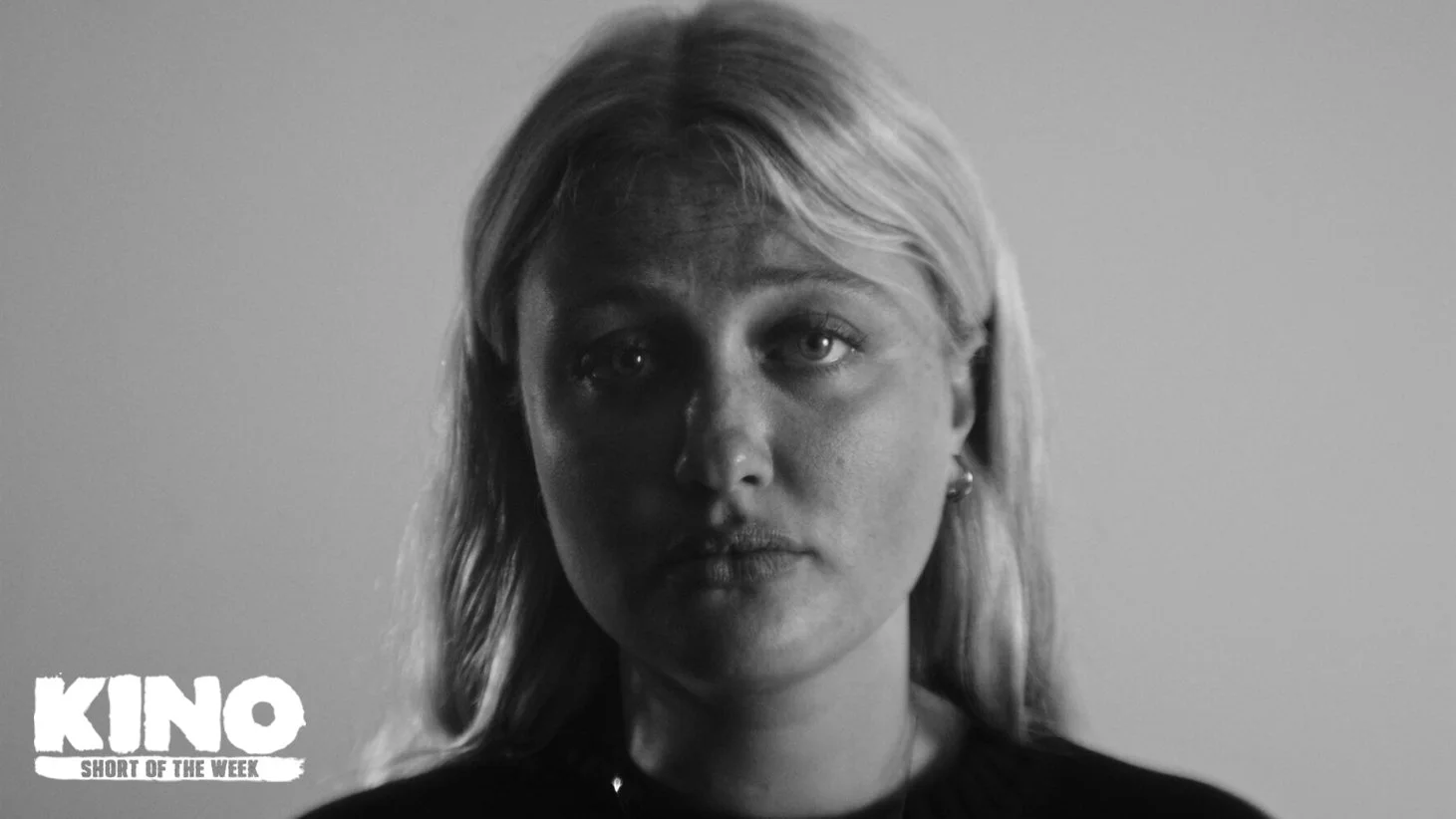
An aspiring director attempts to make a personal account of his battles with depression but a neglected crew begin to turn against his unorthodox working methods.
directed BY Ned Caderni | PRODUCED BY Poppy O'Hagan
An aspiring director attempts to make a personal account of his battles with depression but a neglected crew begin to turn against his unorthodox working methods.
ABOUT THE FILM
THIS FILM IS NOT TITLED is a mockumentary about being on a film set and was cast with non-actors. More precisely, all the roles in the film are played by people who usually do that on set job for a living.
This is it’s premiere.
ABOUT THE FILMmaker
Ned is an award-winning director and writer from London. His last short, Hey Katie, was screened at the BIFA Qualifying Festival Kino London where it was praised for its comedic screenplay and direction. His previous film, Light Fantastic, won Best Film at the 2021 Reale Film Festival in Milan and was shown at the annual Independent Short Awards in Los Angeles. Ned has experience working under some of Britain's leading filmmakers, including Josie Rourke and Michael Winterbottom. Furthermore, he has written and directed for Unit9, Campaign’s Tech Company of the Year 2021. Ned is currently in post-production for his debut feature film, worm, a modern folk horror. When not making his own shorts or music videos, he works for a variety of clients both as a creative and copywriter. He spent the last year working as a Story Producer and editor for an upcoming docu-drama about immigrant chefs in London which will be premiering on a major SVOD platform in early 2024. He is allergic to penicillin.
Poppy is a producer who aims to engage both audiences and crew in narratives that explore themes of human bonds and wishes to support indie filmmakers with a variety of narrative styles. She currently has a film on the festival circuit and several short narrative films that are in various stages of post production. Alongside this, Poppy has a micro budget feature shot on Anglesey in Wales in September 2023 that is now in post production and has a slate of features that she will be developing in the new year under her company Giant Films, whilst working at Jeremy Thomas’ Recorded Picture Company.
READ OUR INTERVIEW WITH NED & POPPY
Welcome to our Short of the Week series (and "welcome back" to Ned). Poppy can you tell us a little bit about yourselves and your filmmaking background?
PO: Hi, it’s really great to be selected for your series and to meet another supporter of Ned’s work. I am a film producer, with a focus on indie features that challenge the audience. I’m a keen linguist and have worked across both film and television, working with French and Italian crews.
Ned what have you been up to since we featured your last short "Hey Katie"?
NC: Thanks for having me back! I started work on this short pretty much around the time Hey Katie was shown at Kino back in April 2023. Since then, Poppy and I went up to Wales to shoot a very low-budget horror feature. So that has taken up a lot of our time!
Can you tell us about the genesis of This Film Has No Title?
PO: This short was initially a way for Ned and I to get to know each other’s filmmaking styles and experiment with blurring the line between fiction and reality.
What were some of the main obstacles you experienced when making of This Film Has No Title and how did you overcome them?
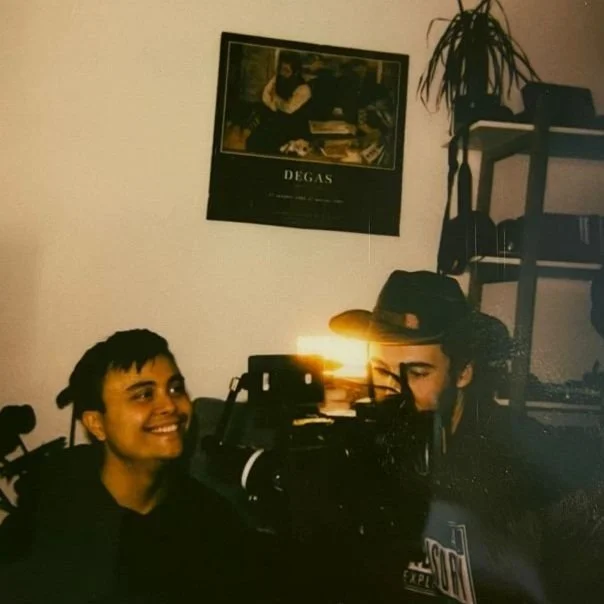
NC: I’m not sure if I’d call it an obstacle, because I ended up really enjoying the challenge, but working with non-actors was incredibly rewarding. With the exception of Marnie, everyone in the film ‘played themselves’. Ed Glynne Jones is a DP, who played the DP. Eli Banfield is a 1st AD, she played the AD. So it was about giving them the space to be themselves but also make them feel as comfortable as possible with the camera in front of them.
PO: The obstacles were not too bad considering how hard it is to get any film made with little budget, but the crew were so generous with their time and energy that it made it a very easy ride.


Tell us about the journey of getting your film to audiences.
NC: This will be our premier! So ask us that again in a few weeks!
What advice or hacks would you give to other short filmmakers?
NC: I mentioned it last time I was here, but keep things as simple as possible. I re-watched my first film and although there is lots I love about it, I’m trying to throw so much into a short space of time. Also read short stories, especially anything by Chekhov or Maupassant. Not only will it make you a better writer, they also happen to be really quite good.
PO: From a producer side, I would say use what you have access to and what you can control. It is really not essential to spend lots of money on short films if you prepare a story well and make sure that it’s contained. Don’t overcomplicate. Shoot everything as if you were shooting on film, 13 to 1 take ratio.
What do you think is the biggest challenge short filmmakers face trying to break into the industry?
NC: I think one thing we all feel but don’t talk about enough is how disheartening social media and putting your movies out there can be. The highs are high, but the lows can be very crushing. I remember talking to a friend who spent years on a short and when it was over, they said to me something along the lines of ‘What’s the point? Some teenager is going to just put a video up on TikTok and it will get millions more views than what I’ve done’. I get it, even though I do like TikTok. But you have to believe that the work will somehow reach an audience, even if it’s small. If you change or touch one person with what you’ve created, then it’s kind of all worth it. Not to get too sententious, but one of my favourite quotes is from George Elliot and she puts it better then I could; “The greatest benefit we owe to the artist (...)is the extension of our sympathies.... Art is the nearest thing to life; it is a mode of amplifying experience and extending our contact with our fellow-men beyond the bounds of our personal lot.” And that’s pretty cool.
PO: Finding the right collaborators can be tricky. The almost essential need to pull in favours when doing short films on a budget can be a challenge for those who don’t have the connections. BUT I would say that you must be brave and make those peer to peer connections because whether they’ll serve you now or in the future, everyone is willing to do you a favour as they’ll likely be asking you for one not long from now! We must help each other.
What next for you?
PO: Ned and I have an exciting announcement actually. We are in post production on our first feature film! We can’t give too much away about it now, but let’s just say that it’s a genre film, combining folk mystery, drama and horror called WORM. We hope that the Short of the Week fans will support us in promoting it when it is released (hopefully in summer 2024) as we made it very much with the same crew from our short and on a super micro budget. Part of our short film process was to start building our audience so we hope you’ll all enjoy it!
A feature! that’s exciting! How have you found the difference between making a feature vs a short?
PO: Creatively, the timeline of a feature requires much more patience and planning I would say and the edit feels a lot more impactful on the overall story because you can really play around with pace and subplot. It really asks you to probe HOW you want to tell the story. More logistically, making a feature definitely involves a lot more admin and we definitely asked for all the help and advice we could get to make sure we got the film into the best position it could be. I do have to say though, that the guerrilla mentality of short filmmaking definitely helps you overcome the barriers to feature filmmaking and undoubtedly shaped how we shot ours.
Any film recommendations that we should add to our watchlist?
NC: If you liked this short, I’d highly recommend Symbiopsychotaxiplasm (what a title, right?), which you’ll realise I just ripped off for this film. Also sounds like I’m taking the piss, but I saw Gran Turismo this year and honestly thought it was such a blast. Proper No Bullshit Fun. Life is about balance after all!
PO: I have to say Anatomy of a Fall from autumn last year - a brilliant example of a high quality script.
Interested in getting your work selected as Short of the Week?

Oluwale
The first documentary to explore the story of David Oluwale, a Nigerian immigrant chased or thrown into the River Aire by Leeds Police in 1969.
Written, Produced & Directed by Jeremiah Quinn
OLUWALE is the first documentary to explore the story of David Oluwale, a Nigerian immigrant chased or thrown into the River Aire by Leeds Police in 1969.
ABOUT THE FILM
Oluwale won the Best Micro-Budget Short award at our 2023 film festival and was also nominated for Best Screenplay. It also won Best Documentary at the Kino Manchester Film Festival and Small Axe Radical Film Festival. It was also an Officials Selection at the BAFTA and BIFA qualifying festivals - British Urban Film Festival and Bolton International Film Festival. It also played at the Real Documentary Film Festival, Filmmakers for Change, and Shorts on Tap Venice.
ABOUT THE FILMMAKER
Jeremiah Quinn is a screenwriter, filmmaker and lecturer. He has won many awards in film festivals all over the world. He often tells stories of real people who aren't well-known. He has had various feature scripts optioned. Jeremiah is shooting his first feature documentary right now.
READ OUR INTERVIEW WITH JEREMIAH
Welcome to our Short of the Week series. Can you tell us a little bit about yourself and your filmmaking background?
When I was 19 I was offered a few weeks work in a 35mm cutting room and have never looked back. I worked on a lot of high budget productions but took to videography when cheaper cameras came out. I have also written screenplays. Have an agent. Had some scripts optioned, others commissioned. I also teach filmmaking in a few places.
Tell us about the genesis of Oluwale? When did you first get exposed to this story and how did it affect you?
Oluwale is an old Leeds United song which haunted me since I was a boy. I always wondered what it was about. I didn't recognise "Oluwale" as a name, so I thought it was a nonsense rhyme. Decades went by and one day I found a book about the case and the mystery was solved. I thought it was an amazing story and I wanted to tell it. I found it very moving. I grew up in Leeds and it was very multicultural and inclusive and the Oluwale story was very disturbing and in the end satisfying. It's like Red Riding blending into Line of Duty. It's incredible that my film is the first on the subject. It would make an extraordinary film or TV show. I didn't have the budget or the profile for that so I made a personal documentary.


What were some of the main obstacles you experienced when making Oluwale and how did you overcome them?
We needed archive to tell it. Yorkshire Film Archive did a deal which reflected it was my own money. They were great. The archive is so beautiful, it was my first time making an archive film. Aarif Laljee the editor was my main collaborator on this. He watched everything in the archive. We did an edit and sent it off to YFA and they told us which bits we couldn't use. There were some LUFC matches that were off limits and a few other bits and pieces. They also told us at this point that the police cadet film which we had used extensively was part-owned by West Yorkshire Police. We were crestfallen. But Graham at YFA gave us an email address to write to and the police surprisingly gave their permission for free and with no further questions. Oluwale is about a police atrocity, but it was a young police cadet who told Scotland Yard about it and they went after the perpetrators and got convictions.
Aarif then played a blinder by finding the son of the policeman who was the whistleblower, and adding him on LinkedIn. He told him we were making a film about Oluwale and his dad. As it turns out, the son is also a policeman. He let us film his dad's scrapbook and gave us a video of his dad getting his Ph.D. So we've ended up making a tribute to his father, who is not known or recognised for what he did. The son is absolutely delighted with the film and has passed it on to be used as part of police diversity training.


Tell us about the journey of getting your film to audiences.
I always say to my students not to make a short film over 15 minutes. The reality is that for a programmer looking at our film which is 21 minutes, they are saying No to perhaps three or four other films to say Yes to us. And that is very hard for them. But Oluwale did pretty well at fests. It opened a couple of festivals and was played by itself in a couple of festivals, won three awards, including one at Kino. We are just starting to share online and the numbers are good so far. Online is the most important section of distribution of a documentary I think. You want it out there being seen by thousands. I find it strange that the police love it so much. I imagine that for anyone who knows Leeds it will be very interesting to see it in the past and present in the film but it will take time and the algorithm to find them. The first two motion picture shots in the world were shot in Leeds in 1888 and one of them includes the very place that Oluwale was thrown into the river. We have not yet connected to Leeds United's fanbase, and they are bound to love it.


Jeremiah Quinn pictured here at the Kino London Short Film Festival awards show.
What do you think is the biggest challenge emerging documentary filmmakers face in the early stages of their career?
With the invention of the 5d Mark ii on the 17th September 2008, suddenly filmmaking was in the hands of anyone with a disposable income. Youtube was just three years old back then, and small affordable handheld audio recorders and cheap editing software and powerful computers were already in place. So the access is incredible for me because I can remember each of these inventions and the very dark era that we lived in before that.
The challenge now is the noise. Years ago I applied to a festival where I knew no one: Milan IFF. I sent them two copies of my film on DVD, that was still how it was done in 2012. I won Best Short that year. When I submitted there were hundreds of submissions but now there are a few thousand. That is the problem. Would that same film get picked out today against thousands of others? Probably not. Look at the submission numbers, they are huge. And remember that any programmer goes to other festivals and probably invites some films. They also have friends who are filmmakers and so not all the slots in any festival are up for grabs. Added to that many festivals will block book BFI funded films or all the NFTS graduate films, or all the regional funding body films so there aren't 80 slots in an 80-film festival. It's really hard to get into festivals no matter how good your film is you will have to face a lot of rejection. You have to keep going, keep the passion for your project, and set a budget and a time limit for your festival run. You should also focus on what you want to do by making a film. Take pride in your craft, enjoy what successes come, and don't curse the festivals that don't accept your film. Except Leeds IFF, who rejected Oluwale, which is unforgivable.
What advice or hacks would you give to other documentary filmmakers?
I think you should be very generous as director of short films. Nobody will ask you about your editor or your scriptwriter. We won a prize with Oluwale and in the review they wrote they wrote "[Jeremiah] Quinn cuts to images of newspaper clippings". It was edited by Aarif Laljee during lockdown. I literally wasn't there when it was cut. Nobody will ask about your team. So do what I just did and big them up. They will want to work with you again and you will still be given all the credit.
Very few narrative short films are based on truth. I don't know why this is. With documentary or films based on truth, however obscure the story, there are still people who are interested in that area and they make a natural audience for your film. I recommend niche projects as well, and that is one very effective way of cutting through noise. I made a film called Incognito, closely based on truth, about two Nazis on the run who used to meet for coffee. UK Jewish FF played it and then loads of other Jewish fests around the world picked it up. I didn't even have to apply, they wrote to me and requested it on FilmFreeway. Naturally the submission numbers for any niche festival are tiny compared to non-niche so you are much more likely to be selected. Also many of them are free. This is a big hack. Whoever you are, there are niche things that you love, whether it's your religion, your sexuality, or the fact that you go foraging each weekend.
Another hack of mine, and it took me a while to latch on to this, is that small festivals rock. There's a natural prejudice in novice filmmakers against lower prestige and smaller fests. I got into a small festival a few years ago, Souq, in Milan. I saw a brilliant film and got introduced to the director. I told him how much I loved his film. We had a great old chat. He was remaking the short into a feature which was called Les Miserable, which was nominated for Best Foreign Oscar the following year. At a small festival you meet everyone and you are aware of all the filmmakers. By contrast there's a festival, big and prestigious, I got into a few times. Each time you file in, watch your film with a packed audience and then file out into the night. I stopped applying as there didn't seem to be any point. Some big festivals are very good at the networking and introductions thing, but small fests don't have to be. If there are thirty people at an event, you are going to meet most of them.
Any film recommendations that we should add to our watchlist?
I love An Irish Goodbye, it deserved every bit of success that it got. It doesn't seem to be released yet, but the French short The Girl who Never Watched Friends is superb. I make my students watch Standby so I've seen it twenty times but it still hits me.
Did you mean by me? I made a very quirky short about a man I met in bookshop who told me extraordinary stories about himself and they were all true. Charles - A Life in 5 Books. Otherwise Incognito and The Strange Death of Harry Stanley are the films I'm proudest of.
Interested in getting your work selected?

Plantman
A humble gardener shares his philosophy of finding meaning in simple living and nature.
Written, Produced & Directed by Tim Astley
The day begins, and so does the Plantman's work. This is a look inside a day and the life of a humble gardener. Plantman is a film about understanding and believing in our life choices and recognising the difficulties we face along the way; however big or small our impact, we can be proud of our achievements.
ABOUT THE FILM
Plantman was an official selection at the Wolverhampton Film Festival & Derby Film Festival. It first caught attention at our March 2023 Short Film Open Mic and was recently released via Klipist.
ABOUT THE FILMMAKER
Tim Astley studied Film & English in Leicester, moved down to London to pursue a career in filmmaking. He has found a home in editing, but directing is his passion.
READ OUR INTERVIEW WITH TIM
Welcome to our Short of the Week series. Can you tell us a little bit about yourself and your filmmaking background?
I’ve been interested in filmmaking for a long time, it became my life ambition to become a director from about the age of 16. It did take me a while to actually realise what that meant and how I needed to get there. I didn’t study practical filmmaking, my degree was in English Literature and Film studies, so it was very academic. I think that gave me a good grounding in the cultural importance of films and film history.
Then after uni I worked as a runner on set on some low budget features and shorts, and then I eventually ended up getting a role as a runner in a post-production facility in the advertising industry. I worked there for a while and trained as an assistant editor; this was like film school part 2 where I actually learned how to do something practical. Editing is maybe the most satisfying part of the filmmaking process because you see all the pieces come together.
I love editing, but directing is where I want to be - it’s the central role where you can use so many different skills beyond even your creativity. You have to think practically, you can have a great idea but there’s no use in it if you can’t actually do it.
Tell us about the genesis of Plantman and how you found your subject?
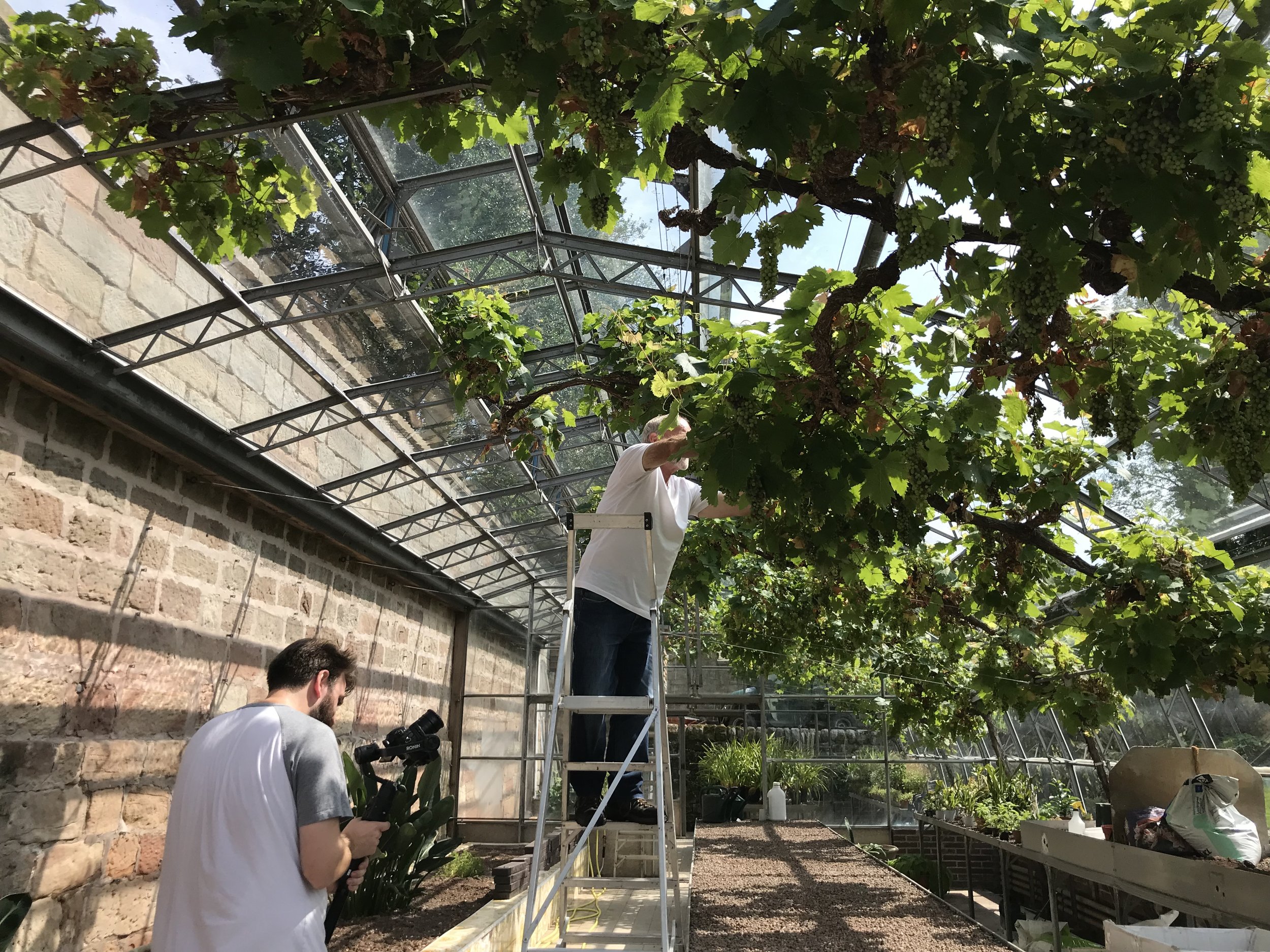
Sort of following on from what I was saying about thinking practically, I felt like I only really had one weapon as a first time filmmaker: me. I asked myself what could I bring to the table that no-one else could? I didn’t have a big budget, I didn’t have access to big names and I had basically no experience and no idea what I was doing. So I needed to make something only I could make.
As long as I’ve been alive my Dad has always been a gardener. He’s a rare example of someone whose passion is his vocation; which is basically my life aim because my parents always encouraged me to pursue something that I actually wanted to do - not just make money. Gardening also feels kind of similar to filmmaking as well in that you have to combine creativity with a certain physicality and have faith in what you’re doing is the right thing.
So bearing all this in mind, it felt like making a film about my Dad and what he does was the perfect film to make because it brought together my own sense of self, could be told my perspective and only I could make the film about my Dad. He also worked in a beautiful location with few to no other people around so we could shoot it very peacefully and it was at least going to look really nice. This meant that it could be heart-felt, true and have a feel of professionalism because we had a champagne location on a lager budget.

What were some of the main obstacles you experienced when making of Plantman and how did you overcome them?
I think the most difficult thing was figuring out what story we were telling. I think I always wanted to do a straight case study and just tell Dad’s story of his journey but I was worried it wasn’t perhaps interesting enough so I kept trying to think of different general interest themes to give it a broader appeal. For example I was trying to tie together how gardening is an excellent way to relieve stress and help with mental health to give it that angle. But in the end I knew it just had to be his story that was the central theme, which as it turns out has a universality to it because it’s just as simple as: this is a man who knows what he likes, gets up every day and does it. That’s all something we can admire and relate to.
Tell us about the journey of getting your film to audiences.
This was tricky because I knew we had a good film, but it was pretty slow and soft so that it might not make the cut for a lot of big festivals. I didn’t really bother applying to the Sundances of the festival circuit because I knew it would be a waste of money, of which I had little. There was of course a small part of me that hoped it would be accepted and then somehow be nominated for all these awards but that’s just not how this works for most people.
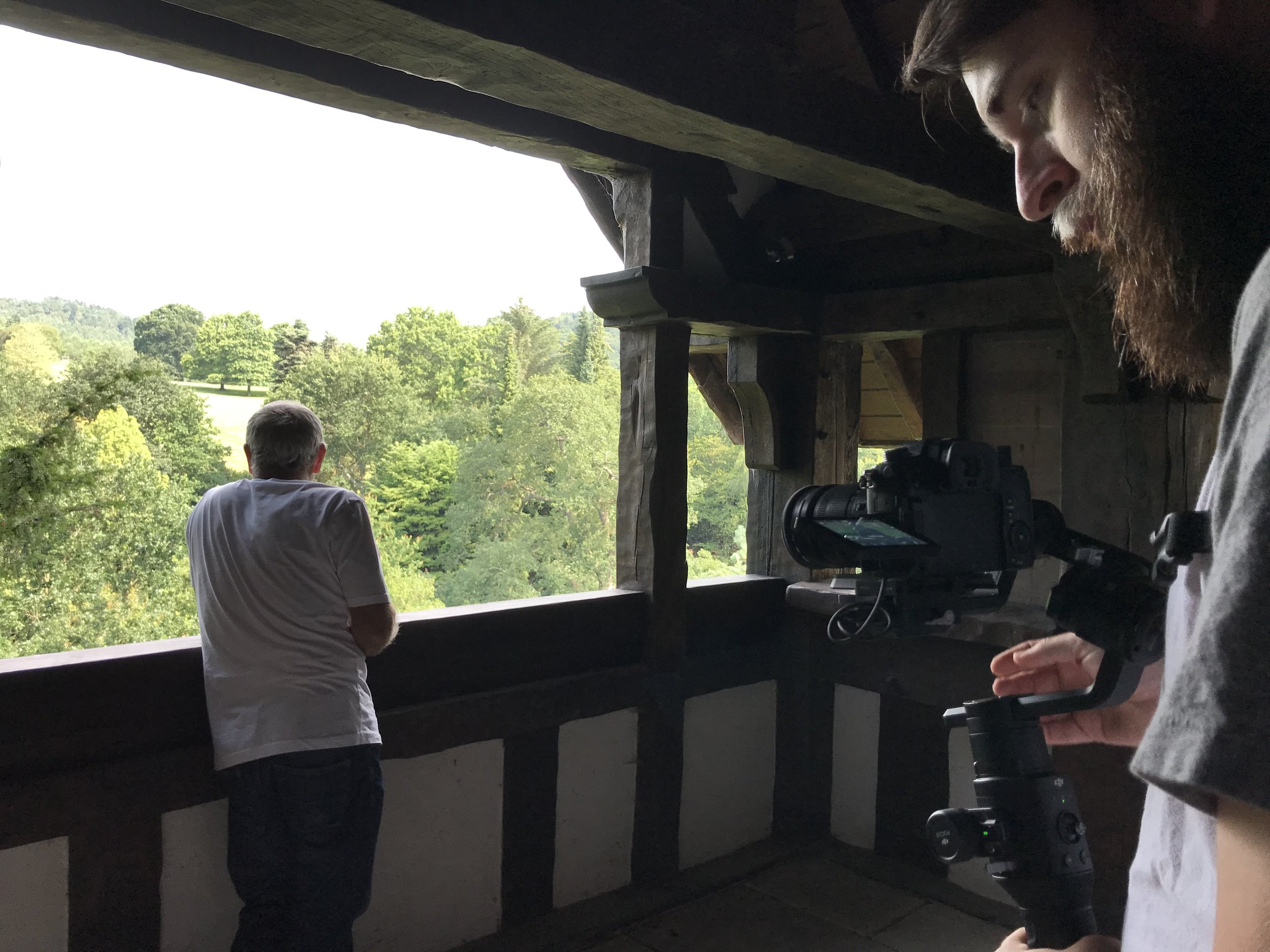
So I decided to apply for more regional festivals that I had more of a personal connection to. We went to Wolverhampton Festival, for their first year, because that’s where my Dad is from and then we also went to Derby Festival because that’s where we shot the film. I didn’t have a huge audience at either screening but just the event of going up with my Dad and other friends and watching it on a big screen was so satisfying.
Then bringing it down to open mic nights (like the legends at Kino) in London has been amazing. Everyone is so keen to share their praise and exchange ideas, I think in part because they know what it takes to put one together so they appreciate it more. It’s a really lovely thing to be able to do.
Then through Kino I discovered the wonderful Klipist! They have put the film on their site which was so great because it has a platform dedicated to showcasing short films and new talent. It’s gone better than I could have expected really.

What advice or hacks would you give to other short filmmakers?
All filmmakers tell each other to do is go out there and start shooting which is great advice because the only way to learn is by doing. BUT - I am a big supporter of thinking a lot about different ideas. Have a long think about what you can bring to the table. What is it that you want to do? You will probably be restricted by budget and other resources, so you really need to dig deep inside yourself and think about what it is you want to do. Don’t just make a film for its own sake: make your film. Once you figure out what kind of film you want to make, then the right idea will become apparent - whether it’s a small drama about a piano teacher or a broad comedy about Instagram influencers, your voice can shine through any idea - you just have to figure out what it is.
Then the next thing to do, which I didn’t do soon enough the first time, is get people on board who will help you. Once you’ve got your idea, it probably won’t feel ready to shoot but filmmaking is the discovery of that idea through this medium so you kind of have to feel a bit out of control for it to work.
Then it’s those collaborators who will make the film what it is. Choose those people carefully. You need to be able trust them and they need to understand your idea for you to be able to execute it. Probably the best thing about filmmaking in my experience, is the bond I created with those I worked with - particularly if you all like and believe in the idea to begin with, because you watch it grow and develop as a team because of your co-operative work.
So in summation: have a great idea and find an equally great team, easy.
What do you think is the biggest challenge short filmmakers face trying to break into the industry?
For me it’s finding an audience and the person or people who will take me to the next level. You can make all the short films or low budget features you want but if no-one sees it, then you’re going to stay at the same level because like every business, it’s not a meritocracy. I’m not trying to peddle a cynical viewpoint here, I just think it’s important to know what you’re up against and not care. If you know how hard it is to get your feature made or break into the mainstream and you still want to make films, then you’ve already won because you’re dedicated to making it no matter what.
Any film recommendations that we should add to our watchlist?
I was really struck by “a film made entirely of mushrooms” when I came to the Kino Open Mic a few months ago - aka The Boat. It’s a stop-motion short film, with a kind of psychedelic jaunt. It was so creative, and it looked amazing. It was a simple idea, executed beautifully.
Continuing the theme of forest delicacies, I recently watched Pig for the first time. It was a great twist on the revenge thriller, and so great to see a quiet, lean film with such a resonant message. It really spoke to the depths of my soul!
One more that maybe not as many people have seen is, Sweet Smell of Success which again I watched only recently. It’s an Alexander MacKendrick film, who for many might be best known as the writer of the great filmmaking book: On Filmmaking. It’s extremely sharp and quick-witted, kind of Sorkin-esk, but it’s got a great ending.
Interested in getting your work selected?

CECIL & CARL
An award-winning LGBTQ+ documentary short about partners coping with a diagnoses of advanced dementia and the decision to seek the help of a nursing home.
Directed by Elvis León & Gastón Yvorra
Produced by Elvis León & Sasha Milonova
An award-winning LGBTQ+ documentary short about partners coping with a diagnoses of advanced dementia and the decision to seek the help of a nursing home.
READ OUR INTERVIEW WITH ELVIS
Tell us a bit about yourself and your filmmaking background.
Since I was a kid, I always had a tough time expressing myself. This changed when I discovered film school and a few years later, I graduated with a Film Producing and Screenwriting degree in 2013. Making movies has given me an outlet, and I feel lucky to have found a passion that keeps me marching forward. My career has taken me to massive productions such as Fast and Furious: Hobbs and Shaw and adverts for high-profile name brands, but my focus lately has been to complete my first feature documentary film called, We Are Lions. It's a true crime story about my family's pursuit of justice.
Tell us about the genesis of Cecil & Carl. How did the project come about?
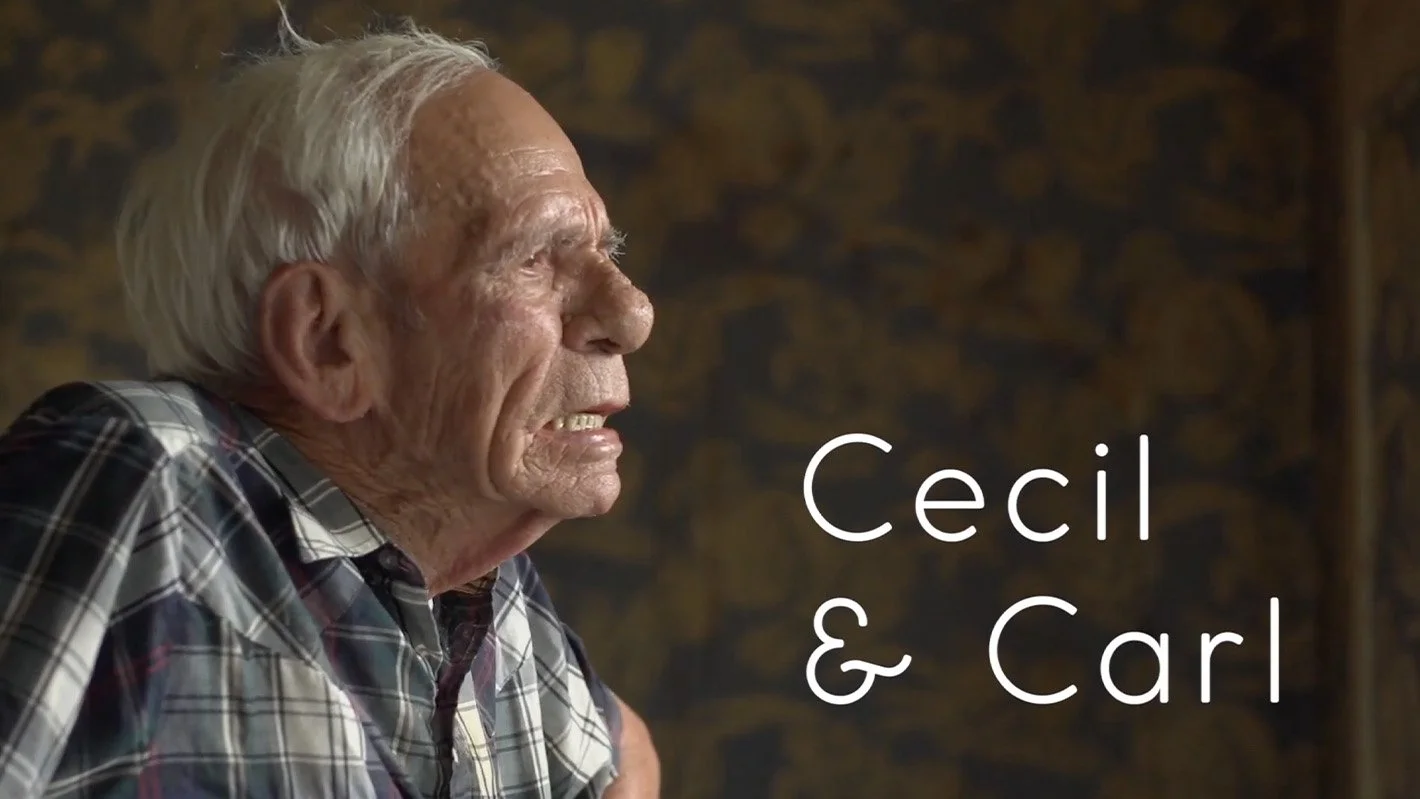
A few years ago, we were working on a comedic web series project written by Elvis called Charlie’s. The story was about a straight bar owner that attempts to open a gay bar. The production took place in a gay bar in Denver, Colorado. On one of our production visits, we encountered a group of around 50 elderly gay men, gathered around tables having lunch. We soon found out that the group of men was in fact a club called The Primetimers. They meet every Wednesday.
Our first impression was that there were a lot of stories in that place. We also imagined what it was like for these men to be gay 30 or 40 years ago, in a society less open [compared] to the one that exists today. We felt the need to learn these stories. One day, we asked the Primetimers group if there was anyone who would be interested in participating in a film project that would take their story and turn it into a visual portrait.
We had a lot of people approach us that day, but long story short, Cecil Bethea was the first one to step up and open up to us. We eventually learned his story and that of the relationship he had with Carl Shepard — we were immediately hooked. On a side note, after completing the Cecil & Carl documentary, Cecil volunteered to do a cameo appearance in Charlie’s. He has a memorable five seconds in the film!
How did you get access to such a personal story and what was your relationship like with your subjects? What obstacles did you overcome while in the making of this film?
Gaining Cecil's full trust was the biggest challenge. This required going to many coffee meetings prior to and between filming days, where Cecil would tell stories and smoke a pack of cigarettes in one sitting. Cecil and Carl love to smoke, as you will see in the film. It took us a few weeks before he gave us permission to enter his home. We weren't sure where this documentary was going, but once he opened his doors to us and showed us pieces from their 40+ year relationship, it changed the course of our film. After we wrapped filming, Cecil and I would still meet for coffee and cigarettes. This film became a highlight of his life, and it was an honor to tell Cecil and Carl's story.
Tell us about the journey of getting this film to audiences.
Our film festival journey began with 20 festival rejections in a row, and we thought we made a terrible film. Everything changed when it Toronto picked us up, and then Cecil and Carl took off like a rocket. We have been fortunate enough to have screened at 50 festivals and some of the most recognized LGBT film festivals, such as the Gaze International in Ireland, Vancouver Queer Film Festival. We were nominated for the prestigious Iris Prize that takes place in Wales and at the New Orleans Film Festival in the Documentary Shorts section, which is an Academy Award qualifying competition.
Now that you're working on a feature, in your experience what's been the biggest or most surprising difference about making a feature vs a short. Is it just the difference between a sprint and a marathon, or how much does the craft change?
A 3 month film process on this project still took about a year to complete. With no budget, it was tough recruiting a team to help us edit and score the film. Making a feature is a different animal. I'm working on a story about my father's kidnapping and his quest to get closure the legal way, but when that fails, he considers taking matters into his own hands. This being a personal family story requires you to be more patient and delicate when it comes to trying to be a neutral storyteller when the subject is your father. When I began filming, I had no idea that I would be working on this film for over seven years. Principal photography has been completed and we still have a few months of editing to go! Not all features will take this long, but just keep in mind that the more complex the story, the longer it will take. Whatever you think it's going to take, double that time period.
What do you think is the biggest challenge short filmmakers face trying to break into the industry?
There's no one way solution to make it in the industry. Some people don't go to film school and have incredibly successful careers, and others go to film school and end up finding a "real" job. Filmmaking is about persevering through the challenging times in the name of telling a story only you can tell. The biggest challenge is finding your voice as a filmmaker, the thing that will separate you from the rest. Finding mentors and collaborates can also be really tough, so a lot of networking needs to be done to find your tribe. You can't do this alone, so look for assistance in any way that you can.
Any film recommendations that we should add to our watchlist?
The Fire Within: Requiem for Katia and Maurice Krafft by Wernor Herzog! One of the most visually satisfying documentaries that I've ever seen. It's an incredible story of a married couple that research and visit the most dangerous volcanos around the world.
Interested in getting your work selected?

ONLY FOOLS RUSH IN
A conversation about tea drinking unravels a world conflicted by the rush of everyday life.
A film by Jack Turner
Poetry written and performed by Cat Hepburn
A conversation about tea drinking unravels a world conflicted by the rush of everyday life.
In 2018, I visited a small tea shop in Hong Kong where a man told me the taste of his tea tells him how he feels. An introspective and experimental short more about the little things in life than drinking tea.
Tell us a bit about yourself and your filmmaking background.
I’m a multi-disciplined director based in London who works across commercials, music videos, documentary and short film. Alumni of the National Film and Television School, I’ve directed for Rag ‘n’ Bone Man, Alfie Templeman and Zipcar.
What was your inspiration? Why did you decide to make Only Fools Rush In?
Only Fools Rush In was born from a conversation. I was in Hong Kong for a film job and it was my last day. I ended up in a tiny tea shop and spent almost 4 hours there, sat down with the owner, drinking tea and talking. At the time I never had any intention of making a film, but the conversation really stuck with me when I travelled home and I genuinely couldn’t stop thinking about it.
Did you source the film footage or actually travel to get all those beautiful shots in various locations?
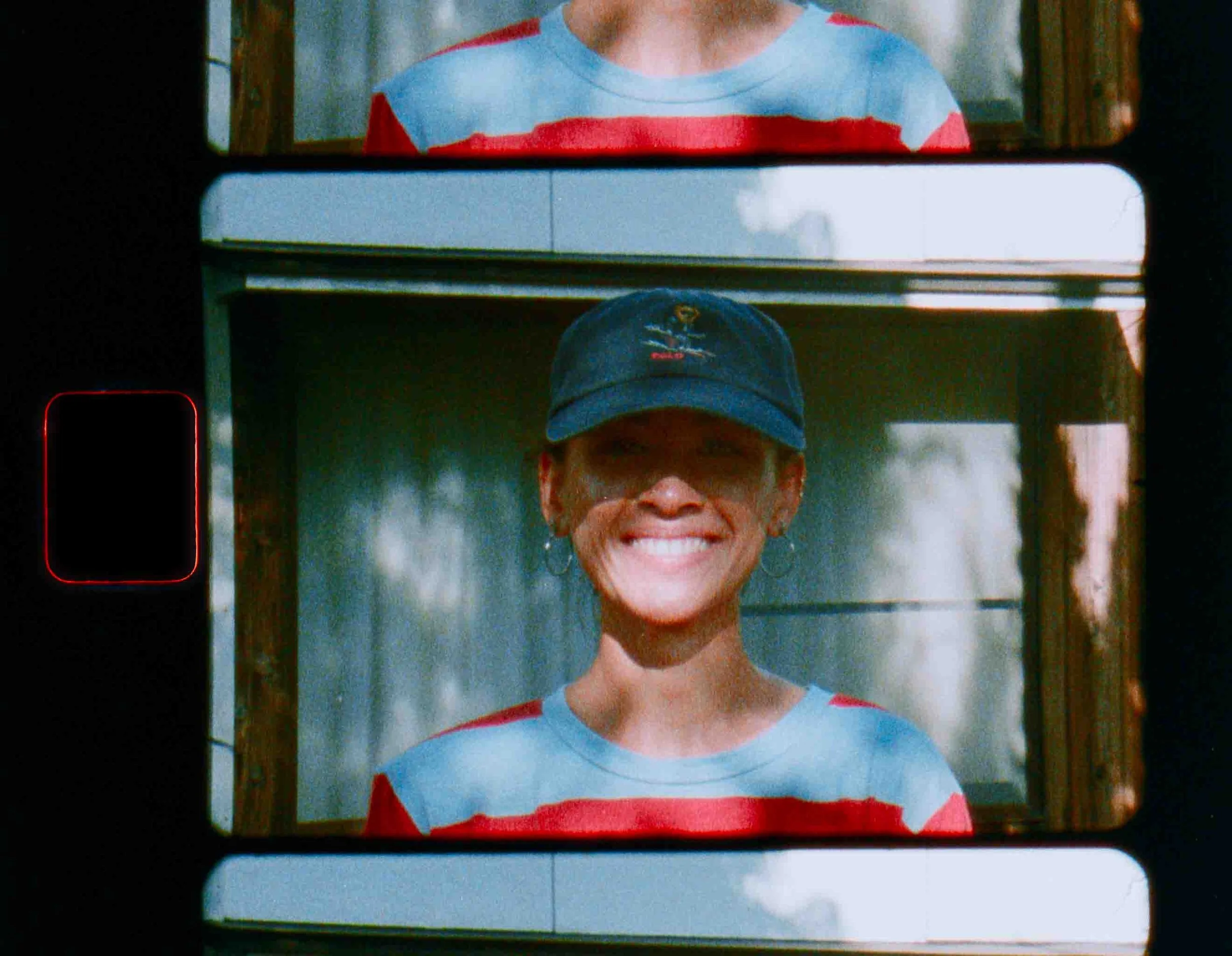
I had already planned to go travelling, but the idea of this film came so close to it that I decided to shoot it in each of the countries I went to. I wrote a (very) rough outline of what I wanted to capture, thinking of simple contrasts that would begin to form my world. Shooting on Super 8mm provided an energy to the edit with its natural blemishes and texture, but most importantly it made me consider each shot. I went out with various stocks and filmed very much as an observer, no setups, no real planning. I always had the story in mind, but the process felt organic. Side note: I kept all my receipts, leaflets, cuttings and left over bank notes. They all ended up being used as texture in the transitions between the Super 8mm and 2D animation.
What obstacles did you overcome while in the making of this film?
As with a lot of passion projects one of the biggest challenges is keeping that momentum. Money isn’t on the line, time and deadlines are quite literally in your hands. It was definitely hard work to keep coming back to this one because the freedom meant you constantly tweaked and tweaked. Working with a small group of friends and collaborators really helped by giving their time to keep the energy, focus and bring new ideas and opinions to the table. Without them I think I’d still be editing now…
Tell us about the journey of getting your film to audiences.
It was a case of constant revisions, taking on opinion and comment from others. Like I mentioned before it was definitely a challenging process but I learnt so much about not hiding away with your own ideas and thoughts. When you finally feel you are in a position to share the film feels so much bigger than it ever could’ve been - a product of collaboration no matter how small the team is.
Words of wisdom. What advice would you give to other filmmakers?
I think what I’ve found over the past year or so is that spreading the wings far and wide is a massive help to your growth as a director. Don’t box yourself. Don’t set unobtainable targets or get yourself in a twist about what others are doing. Find your own path, take opportunity to meet and work with new people and form a network around you that makes you happy. Talk to people, offer to review work and share your own when you can - it gives you so much more value to film than just delivering the final product.
What are you working on now?
Pitching on music videos, commercials and developing a new short. I’m also in the midsts of delivering a sports documentary I directed. It’s going to the channel soon so more details to come!
Any film recommendations that we should add to our watchlist?
Some things you may not of watched; Parasite in black and white, completely different experience! Only God Forgives is one of those films that cemented what I wanted to do. It’s bold but it illuminated so many boundary-breaking things in cinema to me. Did I mention that Succession is the greatest TV show of all time?
Interested in getting your work selected as Short of the Week?

Above the Rim
Faruq Balarabe is an up-and-coming basketball player from the UK. This film documents his story.
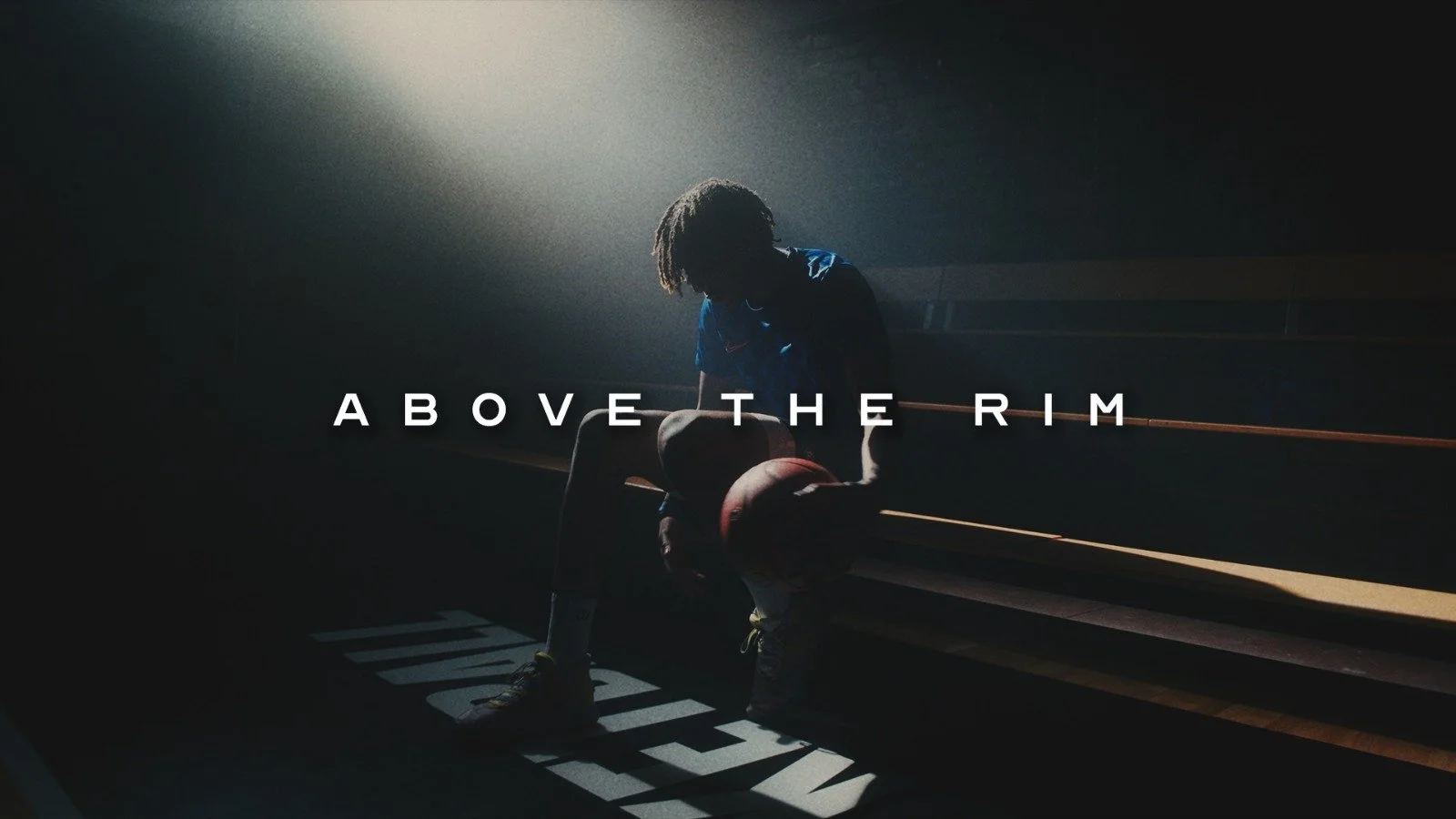
Directed by Keenan Lam
This short cine-doc follows Faruq Balarabe, an 18 year old basketball player from London who was recently scouted to move to Canada to play for a college. The film explores his skills and mindset, delving into his thought process during games and intense training routines.
Sponsored by Lumix and shot on the S5 in BRAW.
READ OUR INTERVIEW WITH KEENAN
Tell us a bit about yourself and your filmmaking background
My name is Keenan Lam, and I am a 23 year old travel and lifestyle cinematographer and director based in London. I started my journey in filmmaking by making travel vlogs whenever I was fortunate to go on holiday with my family, and have since then been creating social media video content for brands across the globe. I’ve recently started to direct my attention toward sports based cine-doc films, as it allows me to get creative and produce high energy content that hopefully gets my audience excited when they watch it.
What drew you to tackling basketball as a subject and how did you find Faruq Balarabe?
Basketball was always been a sport I never got into until recently. My brother got into it last year, and has been going to play at our local outdoor court very regularly, so I joined him one day and found myself really enjoying it. I met Faruq whilst playing video games during lockdown, he was a friend of a friend. He told me that he played basketball, and I said that one day we’ll make a film together. Fast forward just over a year, Lumix came to me with a budget and a camera and asked me to create whatever I wanted. I knew this would be the perfect opportunity to film Faruq before he flew to Canada to play for a prep academy for the foreseeable future.
How did Lumix find you? Had you worked with them previously?
I had worked with Lumix previously on the launch of the S5 camera. I created a short film around a climber called Tom Gough and we shot it in the Peak District/Manchester. Lumix approached me with the idea of working together through a client I had worked with in the past who knew someone in the communications & marketing department in the Lumix HQ. With Above the Rim, they approached me again as they were a fan of my previous work, with the aim of me creating a film shot on BRAW. A new firmware update allowed the S5 to shoot in this codec via HDMI to the Blackmagic Design Video Assist 12G HDR monitor.
What obstacles did you overcome while in the making of this film?
Obstacle wise, the biggest thing to overcome was mainly time. The crew I wanted to work with were only available for 2 days, and the turnaround time for the final video was pretty tight (within 2 weeks). It meant I had to plan and organise the location, kit rental, shoot and edit within that timeframe.
The location rental costs were pretty high, and we only had 3 hours in the indoor basketball court to light it, shoot it and pack down. Initially, I was going to split the shoot into two days as I wanted to book another court, but as that was not available, we shot the whole film in a day.
Tell us about the journey of getting your film to audiences.
I posted my film onto Instagram and YouTube. I have a relatively decent following on Instagram, and used that to help get some exposure to the video. I was really pleased to see that a lot of people enjoyed the film and they kindly reshared it on their profiles to widen the reach. I then entered it into the Kino Short of the Week series as this was my first ever entry and my proudest video to date, and fortunately it was picked to be featured.
Any advice that you can give to other documentary filmmakers?
Tough one! I think my advice to documentary based filmmakers is to really focus on projects and ideas that you are genuinely in love with. Only then can you pour your best work into them and have the passion to develop interesting shot ideas and think out of the box. Another would be to bring people in on your project who you trust and love working with, because they get to see your process and filming from an outside perspective, and they can often offer up different framing and shot ideas that you might not have thought about because you’re so caught up in a shotlist you’ve created.
What are you working on now?
Currently, I’m working on developing an idea for a short film/commercial for an outdoor clothing company. I’d like to tie in a story to it, and document a creative who utilises the outdoors for inspiration or work.
Any film recommendations that we should add to our watchlist?
Film recommendations, interesting one! If we’re talking Hollywood, I’d recommend DUNE. Beautiful cinematography and the sound design is intense. Independent wise, I’d recommend checking out my friend Calum Currie, a London based DP. He’s recently created short films for Bertinet Bakery and Nokian Tyres, both incredibly encapsulating in terms of the story, shots and sound design.
Follow Keenan on Instagram
Interested in getting your work selected as Short of the Week?

Ballet & I
Artistic expression can save your life. 'Ballet & I' is an intimate portrait spotlighting a dancer’s relationship with her mental health following the introduction of dance in her life.
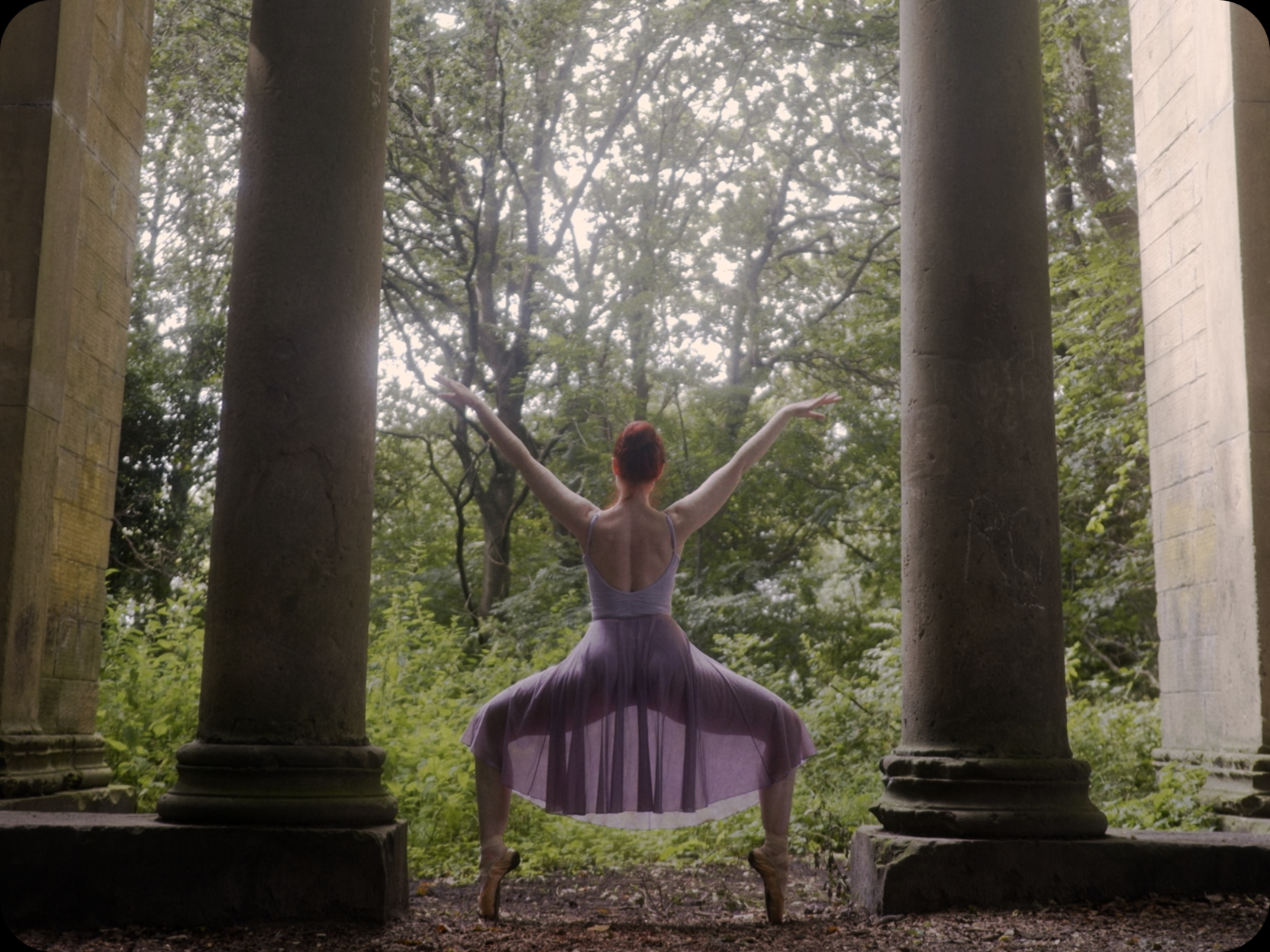
Written & Directed by Jonny White
Artistic expression can save your life. 'Ballet & I' is an intimate portrait spotlighting a dancer’s relationship with her mental health following the introduction of dance in her life.
READ OUR INTERVIEW WITH JAMES
Tell us a bit about yourself and your filmmaking background.
I studied Film & Television Production at York St John University in 2016, where I made my first documentary, which went on to win a Royal Television Society Student Award. The documentary told the story of one man’s experience with sleep paralysis, which I decided to tell through cinematic recreation. From this, it stemmed my interest in stories about people – what makes us tick, what makes us human. After Uni, I worked (and still work) several jobs which pay the bills, whilst self-producing and directing short films, experimenting with style and storytelling, figuring what kind of work I want to make. Eventually, I went back into documentary filmmaking, which is my passion and where I see my future in filmmaking as I continue to try and establish myself in the industry.
What inspiration and influences made you want to tell this story?
Christie – the dancer. I was reaching out for dancers for a new short film, where I wanted to capture why dancers dance, spotlighting unique and talented artists, looking at what drives them. Christie was one of those dancers who reached out, and her story completely encapsulated me. She is an incredibly inspiring person and I wanted to tell her story. What drives my passion for non-fiction, is using my work to try and educate and inspire audiences, telling those often untold stories from seemingly ordinary individuals, which can get lost in a very saturated world of celebrity culture and social media. These are the stories, in my opinion, that can resonate a lot further with audiences, because they are relatable, ‘ordinary’ people.
Documentary filmmaking is often run and gun, but your film feels so well thought out. What is your process?
My process changes depending on the project, and what drives that change is what creative elements the story needs to have the strongest impact on audiences. In the case of ‘Ballet & I’, Christie’s words are so powerful and inspiring, they hold on their own as a voiceover. You can really hear the emotion and passion in her voice, so I wanted to avoid a ‘run and gun’ style, as well as a traditional ‘talking head’ documentary approach, and compliment her fantastic testimony on how artistic expression ultimately saved her, with visuals that feel theatrical and dream-like, as if you’re watching an intimate ballet performance celebrating just being alive.
What obstacles did you overcome while in the making of this film?
As always with documentary filmmaking for me, the primary obstacle is my own anxieties and ensuring that I am doing the brave people who contribute justice. Those who agree to be part of your film are placing a lot of trust in you, particularly when it’s such a personal subject and they are opening a part of themselves which you are showing audiences they haven’t met. It’s the balancing of creating the film I want to make and ensuring the messages I want to convey come across, but also not letting down those involved. It’s probably a case of overthinking, but it always happens.
What advice would you have for filmmakers who want to make a documentary?
Perhaps it’s a cliché answer, but make sure what you want to make a documentary about, you are passionate about that subject. What resonates with you not only as a filmmaker, but as a person. Then think about what message you want to convey, what is telling this story going to achieve – what is the film’s purpose? Expect the unexpected. There is a certain element of control with fiction filmmaking, but documentary can often be reactive filmmaking, in terms of the actual content, which makes it challenging, but incredibly exciting. Be passionate, reactive, and adaptive, but with a consistent end goal, or ‘purpose’, in mind.
This film resonated with us because as artists ourselves, our art really helps balance our mental health. What advice would you give to filmmakers struggling with mental health?
This is something I’m still figuring out myself. I think a lot of artists can experience struggles due to the nature of our passion. There is a lot of rejection, reliance on validation, low income, self-comparison to other artists, frustrations that close friends and family perhaps don’t really care about our work but will support high profile public figures/organisations. I think it’s important to fixate on why we create our art for ourselves and forget everything else. For me, I love telling stories that I feel are important and will make a difference to how people think and feel, even if it’s in a tiny way. It makes me feel as though I’m making a meaningful contribution.
Tell us about the journey of getting your film to audiences.
My success at this stage of my career is still quite limited in terms of audience reach, as I’m still working to establish myself and ‘get noticed’ if you will. However, I’ve found I have had better success uploading my work to Vimeo and targeting online film platforms, such as KINO, alongside other platforms like Directors Notes, BOOOOOOM TV and Film Shortage, as opposed to film festivals. I love attending film festivals, I’ve been to Camerimage in Poland three times! However, through these online platforms, particularly for short form work, the right people are still seeing your work, you can still network, make contacts, build relationships. You can still showcase your work in the right place, in front of the right people without film festivals, and whilst I encourage people to still submit to festivals of course, I would certainly suggest putting an equal onus on submitting to online film platforms that feature work – especially short form.
Any film recommendations that we should add to our watchlist?
There’s a couple of shorts I came across on Vimeo that really stuck with me. One has such a shocking ending which perfectly encapsulates what message the film is trying to highlight, and that is ‘A Life Interrupted’. It does exactly what a documentary should do in my opinion – leave a profound effect on the audience that lingers in your mind long after viewing. Secondly, another documentary that stuck with for me, is ‘Gina’. It’s such a simple documentary but it left me completely speechless and emotional. Its power is in its simplicity. Thoroughly recommend those two, but Vimeo is plastered with incredible shorts as we all know.
In terms of feature films and just visually, anything Wong Kar-wai has directed, particularly ‘2046’ and ‘In the Mood for Love’. Christopher Doyle as a DoP is a genius, and those films contain such bold, visceral, and emotive imagery that really changed how I viewed cinema as a visual medium.
FOLLOW JONNY ON INSTAGRAM
Interested in getting your work selected as Short of the Week?

Andi
Andi, a Long Beach based roller skater, discusses her journey of shedding false identities and the value of finding a safe space among found family in order to grow past trauma.
Directed by Julia Kupiec
Andi, a Long Beach based roller skater, discusses her journey of shedding false identities and the value of finding a safe space among found family in order to grow past trauma.
READ OUR INTERVIEW WITH JULIE
Tell us a bit about yourself and your filmmaking background.
I was an actor before I was a filmmaker - but when it came to transitioning to screen acting when I was a teenager, I developed a real sense of anxiety in the audition room. It made it impossible for me to truly connect with a story because I was so worried about whether or not I was performing well, whether or not the people I was auditioning for thought I was good or worthwhile. I stopped enjoying it because I lost sight of how to like myself in that space. I ended up applying to a filmmaking program at my high school and I realized that I could connect with stories in a deeper sense behind the camera. I loved cinematography, editing, sound design - the whole thing. I could forget myself and just sink into something that interested me. I then attended NYU for film production and wound up diving into a bunch of different craft positions. I tried my hand at pretty much everything. Ultimately, I traveled farthest down the cinematography track and spent the majority of my time shooting for other students. It wasn’t until the end of my junior year of college that I thought to myself - you know, I think I’d really like to direct. It sounds like a hot mess of a path when I write it out like this, but ultimately my love for filmmaking comes from a bunch of different directions. I find every element of craft to be fiercely interesting and I think that’s essentially where I come from as a director: speaking the language of all of these different elements of storytelling and finding the common thread that weaves them together to create an emotional experience.
How did you find the subject for your film?
My partner / DP Ace and I had been living with my parents in Santa Barbara during the shutdown. A few months had gone by and COVID precautions had been announced for how to proceed with productions so we figured - well, we should probably make something, what else are we doing? We figured the only thing we could afford to do was a profile documentary with no production sound (couldn’t afford a sound mixer but a friend of mine in LA did have a little zoom recorder so I figured we could record a voice over). We were kind of just scrounging around social media for potential subjects and Ace remembered that the girlfriend of his god brother, Sean, was supposed to be a pretty talented roller skater. We reached out to Sean to see if Andi would be willing to hop on the phone with me to talk about putting a little project together. We Facetimed a few days later and we just clicked - right away I realized that she was an incredibly open person, very willing to dive deep into her background and insecurities and the things she’s overcome. I figured - there’s a story here. Let’s just keep talking.
What obstacles did you overcome while in the making of this film?
Ace and I decided to pool some money we had saved up to make the project happen. We figured together we could get to $2,500 and that was enough to get a camera package for a weekend and to hire a steadicam operator and an AC to assist them for one of the days. The second day, I would full focus and direct at the same time. There was so much movement, there was just no way Ace was going to be able to pull for himself. This is where having traveled down so many departmental positions kind of comes in handy. ACing is like breathing for me. I did it all throughout college and it’s how I supported myself when I graduated in 2019. It definitely isn’t easy to AC and direct at the same time, but if you’re paying for your own project and you really can’t afford someone to help you out - it’s nice to feel comfortable shouldering the extra work. It was just Ace, myself and our friend / producer, Samson on set. We all did everything. It’s funny writing about this as “an obstacle” of sorts, because it definitely was - but at the same time, I actually really enjoy working in a super stripped back form at times. It feels grounded, like you’re really getting your hands dirty.
The other obstacle was the VO. We only had a zoom recorder and no actual space to record the voice over (the only interior space we’d have access to was Andi’s apartment and she had a dog who had a tendency to bark if strangers were present). So it was like 7 pm and Andi and I crawled into my Volvo Station Wagon with a bunch of pillows and some mango White Claws and recorded her interview parked on the side of the street, HAH. I’m actually grinning ear to ear thinking about this. We constantly had to re-park because if you’ve ever been to Long Beach, parking is a DISASTER. It’s all permitted. We always had someone coming up to us being like, um, so sorry but this is my spot. We were a mess and it was so much fun. We talked about everything. I hope the intimacy of that conversation and the joy we felt comes through in the piece. It was like a 3 hour long heart to heart, and I just thought to myself while it was happening: I’m so glad to be here. This is amazing.
Any hacks or tips for making a documentary short?
I feel like there’s so many ways to approach this question. I suppose what first comes to mind is: I kind of have the philosophy that you could make an interesting documentary about anyone, you just have to pay close enough attention to find that person’s story. And their story probably isn’t what you came in thinking it was. So just keep your eyes and ears open - it’s all in the details, in the in-between spaces, in what isn’t said just as much as what is. That’s where nuance lives and that’s where you have to burrow in. If you create a safe space and allow yourself to be vulnerable, maybe someone else will open themselves up to you - and that’s a really beautiful thing to experience.
Tell us about the journey of getting your film to audiences.
This is a funny project because it’s something that isn’t really long enough to exist in an in-person festival space. It also has a somewhat branded feel. That was intentional - we partly made this project to try to get more work in the commercial space. We all want to make projects that we connect with and which feel like genuine modes of artistic expression - but we also need to figure out how to pay rent and simply survive. I wanted to see if I could make something which felt like it might get me more branded work, but which also felt like it fulfilled an artistic intention.
What are you working on now?
I recently wrapped production on a branded documentary for a fashion designer friend who owns her own label - By Liv Handmade. I decided to bring on a dear friend and collaborator, Nina Gofur, to co-direct the project with me. It felt like the right kind of challenge. We have a lot of crossover in the kinds of emotional themes we’re interested in, but we also have extremely different approaches to filmmaking. I lean narrative in a more traditional sense and Nina is primarily an experimental filmmaker. I just felt like we might have a really interesting chemical reaction on this particular project. I wanted to bring in a more experimental approach and I also wanted to really try to share that directorial space with another creative who thinks differently than I do. I learned more about myself as a filmmaker from that experience than I ever have. We’re currently in the editing phase and I’m incredibly excited to piece together what we’ve captured. Aside from that, I’m also heading into production for a solo-directorial music video for Columbia Records artist, Clinton Kane. And Nina and I are set to co-direct another music video for NYC based artist Halima.
Any film recommendations that we should add to our watchlist?
Oh gosh! So many. In the branded / doc space, I really love Haya Waseem’s work. She’s already established so perhaps you’ve heard of her but I think her directorial voice is really special. Her pieces capture subtlety and lean into a sense of naturalism that is so remarkable to me.
For a doc feature, Lance Oppenheim’s “Some Kind of Heaven” really struck me. The visual / editorial style he went with really resonated and it always feels great when you see a piece of work that’s better and more ambitious than anything you’ve made, but the core of the things the director thought about and implemented feel like choices you would also make. I suppose it’s reassuring in a way - like seeing a little bit of yourself out in the established filmmaking world and going, ok, that’s a touchstone for me. I think I could do something like that.
Narrative feature: literally anything by Andrea Arnold, Greta Gerwig or Noah Baumbach. Those are huge names and likely completely unhelpful recommendations, but they’re also my heart encapsulated. I recently also watched Pieces of a Woman and the first 30 minutes are maybe some of the most powerful filmmaking I’ve seen. Y Tu Mama Tambien, Portrait of a Lady on Fire, The Souvenir, Eighth Grade, A Ghost Story, Ida. Wow this is a random list. So many more, but I’ll stop there.
FOLLOW JULIA ON INSTAGRAM
Interested in getting your work selected as Short of the Week?

Soon Come
Ezra takes us on a journey through a desolate London as he reminisces on what life was like before all of this, whilst reminding us of how far we have come.
Directed by Richard Armitage & Josh Knox
Things are finally looking up, and it’s almost hard to imagine a locked-down London right now.
Ezra takes us on a journey through a desolate London as he reminisces on what life was like before all of this, whilst reminding us of how far we have come.
READ OUR INTERVIEW WITH RICHARD
Tell us a bit about yourself and your filmmaking background.
I have always had a keen interest in all things film and photo since a young age, I think skateboarding played a key part in that. I moved to London to study Photography, just from being here and surrounding myself with likeminded people, I soon found myself working in the world of film. Since then I have been shooting all types of content all over the world, I can't imagine doing anything else.
How did lockdown affect your creativity and inspiration to make art?
It’s been very up and down, at times being locked up has actually given me more inspiration to get out and create. Whilst on the other hand it can completely suck all of the life out of you, leaving you more demotivated than ever.
What obstacles did you overcome while in the making of this film?
With lockdown affecting the creative industry so hard, it has been difficult to keep motivated at times. Rather than letting it bring us down we took the opportunity to get out and make something.
I think the concept was the most difficult part of the whole process. We really wanted to create something that reflects these incredible times, something that we can look back on in the future to remind us of what we have all been through, and how far we have come. We chose to tell this story through a poem, describing all the things we love, what we miss and what we hope for once things open up again. We used a skateboarder as a visual vehicle to show the state of the city, London has never looked anything like this, and probably never will again, we had to document it.
Any hacks or tips for making a short film?
Just get out there and go for it, act on inspiration, the worst thing you can do is sit on an idea for too long and let it deteriorate.
Tell us about the journey of getting your film to audiences.
The whole process of promoting films like this is a very new journey for me, so I’m currently learning about how this works, it's very confusing.
What are you working on now?
I have another short film that I also shot at home over lockdown, I just haven’t had the time to really get stuck into the edit yet, I’m super excited to get working on it though!
Any film recommendations that we should add to our watchlist?
Too many to list!
I did watch ‘THE LAST STORM’ by Liam Saint-Pierre last night though and loved it, well worth a watch!
FOLLOW OUT RIGHT FILMS
Interested in getting your work selected as Short of the Week?

Teeth
A year after covid ravaged New York city, Ikeem "Teeth" Jones reflects on his legacy as the best subway dancer.

A film by Alex Fischman Cárdenas & Gabriel Crawford Connelly
A year after covid ravaged New York city, Ikeem "Teeth" Jones reflects on his legacy as the best subway dancer.
READ OUR INTERVIEW WITH THE FILMMAKER
Tell us a bit about yourself and your filmmaking background.
I began making movies when I was 12. All my friends got really into skating and since I was frightened by the prospect of falling, I filmed. These movies were shot and edited on a 2007 Sony Erickson phone and they were incredibly bad! Regardless, I received so much encouragement that I continued my hobby of making movies. I upgraded to a camcorder and began working with semi-professional actors, and then, with a crew. Eventually, I made what I'd consider to be my first short film, La Vieja Quinta at 17. Since then, I moved to the US to study film and continued making work like Alienación. When the pandemic struck, it shut down my thesis film, and with nothing to film in NYC I was incredibly bored.
How did you find your subject for Teeth?
This is where my friend and DP Gabriel Connelly comes in! We had worked on Alienación together, and he said "oh we should do something about a subway dancer"... That thought sent me spinning across the internet in search for NYC's best subway dancer, and so, I found Ikeem. Ikeem, AKA TEETH, was kind enough to meet me. Our first interview was in July of 2020, and I spent almost a year going back and digging deeper through his story. We became close and even played call of duty together.
Any hacks or tips for making a short documentary?
When making a documentary or narrative film I think you have to become really close to your cast and crew. Gaining and maintaining their confidence is key. I really pride myself in trying to create a fun and enjoyable experience on set. I think the only hack I could give is YouTube! I learned so much by following filmmaking accounts and basically taught myself most of the stuff I would re-learn in college.
Congrats on “Teeth” getting selected for a Vimeo Staff Pick! Any tips for filmmakers on how they can up their chances in following in your footsteps?
We were so honored to receive a Vimeo Staff Pick for Teeth recently. The little badge is a huge honor and it helped in spreading the film to more eyeballs.
This is my first time getting a staff pick, so I can only really speak of what I think worked this time. I think its first about creating work that feels fresh and then sending it out to blogs. Pages like Kino, Short of the Week, Booooooooom, Film Shortage, Directors Library, etc.. I want to believe Vimeo curators roam those pages and having your work there makes it easier for them to find it.
Any film recommendations that we should add to our watchlist?
Shorts: I want to give a plug to Ewurakua Dawson-Amoah's to the girl that looks like me also shot by my friend Gabriel Connelly.
Features: I recently saw the Russian film Beanpole and its beautiful depiction of death and suffering was a mind-boggling trip.
Follow Director Alex Fischman
Follow Cinematographer/Editor Gabriel Connelly
Follow Producer Adrian Sobrado
Follow Composer Gavin Brivik
Interested in getting your work selected as Short of the Week?

Perfectly Flawed
Set underneath a bridge, on the outskirts of Amsterdam during the hot summer of the pandemic, Jak O’Hare’s short film captures the genuine conversation between two strangers about life, uncertainty, dreams, vulnerability, and also trust and faith.

Directed by Jak O’Hare
The intimacy of strangers.
Set underneath a bridge, on the outskirts of Amsterdam during the hot summer of the pandemic, Jak O’Hare’s short film captures the genuine conversation between two strangers about life, uncertainty, dreams, vulnerability, and also trust and faith.
The film fills the gap, somewhere between fiction and documentary.
READ OUR INTERVIEW WITH THE FILMMAKER
Tell us a bit about yourself and your filmmaking background.
I started shooting music video’s in the early 2000’s, mainly for the rising Grime scene in London. We were carving out what now is so polished. It was a great time to work with artists like Skepta, Tinchy Stryder and Ghetts. I then moved into branded content and commercial work, where I got to travel and work with such a variety of talent and crew. This film is very much the beginning of a new chapter in my journey of filmmaking.
What was your inspiration behind Perfectly Flawed?
I suppose it was life. Moving to Europe, which feels far more romantic than the UK at times. Then the pandemic hit and I couldn’t help but think, what about the generation starting out on their path. How do they feel, what do they want? I wonder if were loosing a generation, a detached sense of community. The world is defiantly more confusing to navigate now, with globalisation and the information overload. So I wanted to focus on an emotion that has and will never change - Love.
Any hacks or tips for making a short film?
The age old, just do it. It’s far easier to procrastinate, than make whats in your head. Make the films you want to watch was the best advice I’ve heard.
Tell us about the journey of getting your film to audiences.
I found this really difficult personally. Im so used to making films for brands or artists that take care of the promotion. But I must say, I’ve discovered a whole new world of short film makers and platforms. Without these platforms and show cases we would not be liberated to create.
Does your film have any landmarks that you can discuss (awards, special screenings, etc.)?
Its been entered into festivals towards the end of the year, so fingers crossed. I was pleased that Berlin based fashion magazine, KaltBlut picked it up. To be honest, what honours me the most is people personal feelings and thoughts to the film.
Any film recommendations that we should add to our watchlist?
I really enjoyed watching ‘Baby Teeth’ recently. I love zooming into people’s lives.
Follow Jak O’Hare on Instagram
Interested in getting your work selected as Short of the Week?

SHAPES AND COLORS
A cinematic poem bringing a different perspective and positivity in the fight against racial injustice.

Written & Directed by Guilhem Coulibaly
A cinematic poem bringing a different perspective and positivity in the fight against racial injustice.
READ OUR INTERVIEW WITH THE FILMMAKER
Tell us a bit about yourself and your filmmaking background.
Hi, I'm Guilhem and I'm a French director and editor based in London. As I like to say my passion for filmmaking was always there growing up but fully bloomed by chance in my mid-20s. As a kid, filming and editing family holidays was always fun to me, then I had a glimpse at actual filmmaking when my high school opened a film club and gave us (students) the opportunity to make our own short surrounded by professionals. As I went to university studying something completely different, I never seriously considered a career in filmmaking; but it became clear that's what I wanted to do a few years later when I started shooting music videos for my brother who's a musician.
I now work as a broadcast video editor as well as directing projects in my own time, with a strong desire to do more of the latter in the future.
My portfolio includes music videos, documentaries, promotional content and short films. Aesthetics enthusiast, I try to capture the beauty "the eyes can't see" in the people and their environment.
What was the inspiration behind Shapes & Colors?
The 2020 Black Lives Matter movement triggered in me a need to contribute to the cause in my own way, so I went to the protests to capture some footage in London with my friend/producer/photographer Shakir. At the time, I didn't know exactly what I was going to do with it but it was clear I wanted to create something that would be touching and inspiring and that would bring a bit of positivity despite the circumstances.
I've been wanting to include some sort of dance performance in a project for a little while and I thought it would fit perfectly in this instance. Stephanie (the dance artist) did amazing and I want to thank her for helping me getting the message across with such gracefulness.
Additionally, I believe change can only last if it includes our children. They have the future in their hands but we're responsible for how we teach them the world, not only through words but also through actions; and so, it was only right to portray a loving father & son relationship.
What was it like to bring this film to life and what obstacles did you overcome along the way?
Bringing this film to life was quite easy in the sense that it doesn't really belong to a certain genre; it was almost like any idea could've been thrown in there as long as I could find a way to connect them together; I definitely feel like I achieved that and I'm proud of the result.
Although the covid restrictions slowed down the process, it also gave more time to come up with new ideas. The film would've looked different if it wasn't for these restrictions but I think it actually played out in our favor, we only had to be patient..
Any hacks or tips for making a short film?
I'm still fairly new to the game but what I've learned so far is to go ahead and do. There are many ways to tell stories so you don't necessarily need to raise a lot of money to create something; start small, and by repeating the process you'll get better at it and start making connections.
Several people congratulated us for not giving up and completing this film given the sanitary restrictions but I think there's always a way when you're passionate about something.
What's your favourite part of the filmmaking process?
I definitely enjoy every step of the process but I think my favorite part is the first time watching the final version.
That is when I'm finally able to take a step back and look at it with fresh eyes and it gives me a pleasant feeling.
Tell us about the journey of getting your film to audiences.
I may have to reply to this later as it's yet to be released but just know that there has been a lot of emails!
Any film recommendations that we should add to our watchlist?
I'll recommend two brilliant short films: RE-ENTRY by Ben Brand & SERIOUS TINGZ by Abdou Cisse
Follow Guilhem On Instagram: @imguilhemc
Interested in getting your work selected as Short of the Week?

STITCH
This spoken word piece examines the impulse felt during lockdown to revitalise traditional 'feminine' activities like baking, knitting and embroidery - posing the question of whether they have a place in modern feminist rituals, and whether our obsession with outward appearances is chipping away at our true selves.

Directed by Rosie Baldwin
This spoken word piece examines the impulse felt during lockdown to experience personal growth; revitalising traditional crafts such as baking, knitting and embroidery as a way of creating an aesthetically pleasing, instagrammable world around ourselves.
As the protagonist cycles through each day, the repetition of her daily tasks and her failure at the new craft-based tasks affect her mental balance. As the false world of visually pleasing idealism begins to fade and fall away, we see that the time-honoured, traditionally 'feminine' activities from the past intended to improve her wellbeing have had a detrimental effect, posing the question of whether they have a place in modern feminist rituals, and whether our obsession with outward appearances is chipping away at our true selves.
READ OUR INTERVIEW WITH THE FILMMAKER
TELL US A BIT ABOUT YOURSELF AND YOUR FILMMAKING BACKGROUND:
I actually normally work in documentary, and have made short docs for the BBC and VICE, as well as various funding bodies and charities. I have been really lucky with the reception to these films; they've won multiple awards and screened in cinemas nationwide and at BAFTA-qualifying festivals like Sheffield DocFest and Aesthetica. I tend to focus on character-led stories that provide a wider reflection on society as a whole. I have made four films featuring people living with various disabilities who refuse to be defined by that, and I think of all my work I'm the most proud of those. I'm definitely attracted to stories of people finding ways to live and thrive in our often disabling society.
Since you have a background mainly in documentary, what was your inspiration to switch things up with "Stitch"?
Stitch was a very collaborative project and came about through the BFI Network x BAFTA Crew programme. A small group of us on the scheme (Zara Symes - writer and performer, Chloë Kilby - Editor, Jovana Gospavic - Production Design, Vincenzo Marranghino - DOP, and Adrien Leung - Composer) got together (virtually) right at the peak of the first lockdown, when we were all just stuck inside with all our productions having been halted and feeling like we were stuck in limbo, and came up with the concept over a couple of Zoom calls. We basically began with what we had access to in terms of props and kit, and then worked the story out from there based on what we knew we could actually do within the lockdown restrictions. It was an unusual way of working but we enjoyed the challenge. Obviously lockdown and being stuck inside on this monotonous cycle was at the forefront of our minds so that was where our ideas naturally went.
Any hacks or tips for making a short film during lockdown?
So yeah, tips for making films during lockdown would be to basically just start with working out what you have at hand and get creative with ways to tell a story with that! It's actually quite surprising how much you can do within those limits.
What's your favourite part of the filmmaking process?
As much as I love being out shooting scenes, for me it's seeing sequences really come together in the edit. I've been lucky to work with some brilliant editors, who not only bring the story together but see new ways of telling it and breathe a whole new life into the film. It's a really collaborative process and I just love seeing it all come together.
You work very collaboratively! As the director, how firm are you with your vision vs how open are you to changing your vision?
I do tend to start with quite a strong vision for a film but I am very open to allowing that to develop into a new shape or form once I start working with a team. I think it's so important to listen to ideas from your producer or DOP or editor or any of the team really. I always want to work with people who come with their own ideas and interpretations of a project. I won't always necessarily agree 100%, but that's what's so great about working collaboratively - it forces you to think about other avenues or ways of telling the story that come from someone else's experience or viewpoint, and even if you aren't persuaded by them completely, maybe they'll help to elevate the idea into something better. I think if you don't then you're in real danger of making the same kind of work over and over, and not exploring different ways to show something.
Do you think your background in documentary filmmaking makes your process more collaborative even when working in another form?
Definitely. Working in documentary means you really have to be open to your story or vision changing throughout the process. Sometimes you start filming and the story just goes in a totally different direction that turns out to be a better or more honest film. And in those cases it's really detrimental to the film to stubbornly stick to the original plan. So yeah, that's certainly affected the way I work in other forms because it means I'm always ready for something unexpected to happen and always open to the possibility that that something might be a positive thing to incorporate into the film, and ready to quickly adapt plans around that.
Tell us about the journey of getting your film to audiences.
This was an unusual festival circuit for us because it's the first time having a film screen predominantly in virtual festivals. We had one physical screening in the Cornwall Film Festival, but other than that it was all online. We looked at previous programming of the festivals we wanted to enter to see what kind of films they like to screen and whether ours would fit their interests, and that worked quite well for us. Obviously the film is very strong on the lockdown/quarantine theme, so we knew we had a window where that was relevant so we really tried to make the most of that!
Stitch won the Directors Choice Short award at the Cornwall Film Festival which was amazing, and it was shortlisted for a Shiny award. We were also really happy to be screened at BIFA-Qualifying The Shortest Nights film festival. Considering the film was made on a non-existent budget just using what we had at the time in the middle of a pandemic, that felt like such an achievement.
ANY FILM RECOMMENDATIONS THAT WE CAN WATCH TO KEEP US BUSY WHILE SOCIAL DISTANCING:
If you haven't already seen it, I can't recommend The Mole Agent enough. It's a really lovely, warm and well-made feature documentary and free to watch on BBC Storyville at the moment. It's also nominated for an Academy Award, so if my word isn't enough maybe that can persuade you!
Follow Rosie on Instagram @RosieFilmsThings
Interested in getting your work selected as Short of the Week?

CAIN
The story of an African-American sugarcane farmer and the subsequent unravelling of his livelihood in the wake of discrimination and harassment.
CAIN follows the story of an African-American sugarcane farmer and the subsequent unravelling of his livelihood in the wake of discrimination and harassment. It's a personal story, but one that speaks to the wider narrative of systemic and insidious racism that exists within the American farming industry. It is poignant, emotional and timely, and a story that deserves to be heard.
Directed by Phoebe Ford
Produced by Maddie Stone
Tell us a bit about yourself & your filmmaking background.
I (Phoebe Ford) directed this short and Maddie Stone produced it. This is both our first film. I work as an Assistant Producer at the award-winning feature documentary company Passion Pictures in London. I have worked on various feature documentaries including the recently released 'Citizen K' directed by Alex Gibney. Maddie works in documentary development at Universal Pictures.
People may be familiar with the story of the Provost family from the 1619 podcast. How did you learn about their struggle and why did you decide to choose them as the subject of your documentary?
We came across the Provosts and their story in an article that was published about them in The Guardian. Myself and my friend and producing partner Maddie were working together at a documentary company at the time, and were looking at making our first short film together. We were instantly struck by the Provost's story and it really moved us. We felt it was a story that deserved to be told and shared as widely as possible. The Provosts are wonderful people and we feel so privileged that they welcomed us into their lives and let us tell their story.
What do you hope to achieve with your film?
The film is intended to be both emotive and thought-provoking. We hope that our film will move people, raise awareness and bring the Provost's story to the fore. We also hope that it makes audiences reflect and think about the systemic racism that exists all around them, in every facet of society, and in communities closer to home.
Do you have any tips for documentary filmmakers looking for their next subject?
My tips for filmmakers looking for their next subject would be to try and find something personal and doable (the opposite of what we did with our first short!)
Any film recommendations that we should check out?
I recently re-watched the French film 'La Haine' released in 1995. It's themes are still relevant today and the cinematography is stunning. Two of my favourite documentaries are 'Let's Get Lost' about the turbulent life and career of jazz trumpeter Chet Baker and 'Hearts of Darkness: A Filmmaker's Apocalypse' which documents the production of Apocalypse Now, the 1979 Vietnam War epic directed by Francis Ford Coppola.
Interested in getting your work selected as Short of the Week?

INHALE
INHALE documents the emotional journey of the Chappell family and how their daughter’s struggle with cystic fibrosis have helped them to live in the moment.
INHALE documents the emotional journey of the Chappell family and how their daughter’s struggle with cystic fibrosis have helped them to live in the moment. Cystic fibrosis is a fatal genetic disease affecting over 70,000 people worldwide. At present, there is no cure.
Director/Editor - Brian Chambers
Production - Novelist Studios
Producer - Derek Lamoureux
DP - Nik Pilecki
Music - Chris Coleman
Sound Mix - Siegfried Meier
Special Thanks:
Lerners, Bill Simpson, Cystic Fibrosis Canada, Ripley's Aquarium
Tell us a bit about yourself & your filmmaking background.
I'm a commercial and film editor based out of Southwestern, Ontario. As the saying goes - I had an interest in film ever since I was young. Instead of collecting baseball or hockey cards, I was collecting movie stubs. In highschool I had a pretty good relationship with the head of the AV department, so when everyone else was out with their friends or at the beach on the weekend, I was editing music videos (if you can call them that) with a bunch of my old VHS tapes. This love continued through my college years, culminating with a successful career as a freelance editor. Establishing a strong network with other trusted and talented filmmakers in the region, I set out to direct my first mini doc "Inhale".
Why did you choose to make a film about cystic fibrosis?
My good friend Nik (DP on this project) and I have always said that we really wanted to create a passion project of sorts. Something we could be fully invested in and have full control over. Nik actually has a history with cystic fibrosis (CF) - his son is a carrier of the disease (carriers for CF have no symptoms, but can pass the non-functioning gene on to their children. An individual must inherit two non-functioning CF genes – one from each parent – to have CF). At the time of Nik's son's birth, however, they didn't quite know the extent of the testing being performed or whether or not he would be diagnosed as someone with CF. So needless to say it was an excruciating few weeks of not knowing and just expecting the worse. So given the whole experience and our search for the right project, it just felt right that we should explore this disease further and ultimately how it affects those families who unfortunately do not get the good news.
The film feels very personal. Did you know the family prior to making the film or, if not, how did you find them & convince them to participate? Their story is so raw & emotional.
So we actually interviewed a few families with the help of Cystic Fibrosis Canada. We wanted to work with a family who were comfortable on camera and who were willing to share such personal information - we really didn't want a family that would shy away from questions or be fed up with having cameras around after a few months. With this interview method we were quickly able to narrow down our search and we started moving forward with the Chappell family (Alysia, Ron and Kaylee). Before any shooting took place we met to set expectations and really just got to know the family. I wanted everyone to just feel comfortable, ourselves included - we were dealing with such sensitive material afterall.
Your film is so cinematically shot for a documentary. How were you able to balance such raw emotion with such impeccably executed cinematography?
This was something I wanted from the outset - something that feels so raw, yet still has this cinematic look to it. The crew and I come from a commercial background mostly, so I wanted to play within our wheelhouse, yet take risks and try new things. My hat goes off to Nik on this one though. His talent is through the roof and the looks he can pull off in such a fast-paced environment is staggering.
What has been some of your film’s biggest landmarks?
For this being my debut in the documentary space I am quite thrilled with the overall response and reception. We have had tremendous success thus far with film festivals around the country and online. I have gained so much experience from this documentary and learned so many lessons that I can now take with me on my next project.
What do you hope your film will achieve?
Filmmaking aside, this project has had such an impact on myself and the crew. We look at this film as a way of giving back in a way. To bring awareness to such a terrible disease.I think even more now with COVID going around, it is so important to know of stories like this. That we really take things for granted sometimes. While most of us are currently worrying about COVID, individuals with CF have been living with it in some way for their whole lives - just a simple cold can be fatal.
Where can we watch more of your work?
You can check out more of my work either on my website at www.brianjchambers.com or my Instagram @brianjchambo
Interested in getting your work selected as Short of the Week?

THERE'S SOMETHING GOING AROUND
A digital scrapbook of life in Britain - Spring 2020.
A digital scrapbook of life in Britain - Spring 2020.
Written by Catherine Willoughby
Performed by Syeshia Sweeney
Directed / Edited by Anthony Rubinstein
Check out this incredibly powerful and poetic look back at life in Britain in 2020. We recently caught up with director Anthony Rubinstein to get his perspective on making his film during lockdown.
TELL US A BIT ABOUT YOURSELF AND YOUR FILMMAKING BACKGROUND:
I’m a London based director / filmmaker who loves getting stuck into complex editing and graphical projects. I used to work at Red Bull Media House doing mainly extreme sports and events, but now I do a wide range of projects; across music videos, commercials and documentaries. I’m a big fan of integrating new technologies into my films - 360 cameras, FPV drones, new editing techniques... Check out more on my instagram @a.r.visual !
CAN YOU TELL US ABOUT THE INSPIRATION BEHIND YOUR FILM:
This film was basically just our scrapbook of all the wild things we saw happening during spring 2020. The world was undergoing a paradigm shift and we wanted to document it somehow. We also saw a lot of homogenous content come out at the start of lockdown about how we were all going to get through this together. It all seemed quite superficial and hollow, none of it really resonated that much with us at the time. We felt that the Great British public really did have a unique way of dealing with this crisis - it was through incessant memes, forming orderly queues and building eccentric contraptions in our gardens, and that’s what we felt we needed to document.
WHAT WAS IT LIKE TO BRING THIS FILM TO LIFE DURING LOCKDOWN AND WHAT OBSTACLES DID YOU OVERCOME ALONG THE WAY?:
The hardest thing was not being able to shoot anything beyond our family bubble…. We had next to no lighting, or anything other than my Black Magic Pocket 6k camera to make use of - but we flipped this into an opportunity to integrate found footage in a creative and interesting way.
DID YOU HAVE ANY CREATIVE SOLUTIONS FOR CREATING QUALITY CONTENT ON A MINIMAL BUDGET DURING LOCKDOWN:
The main challenge was find a way of knitting together all the archive and social media footage (which massively varied in quality) in a contemporary and engaging manner. I spent a lot of time in After Effects building, designing and refining the virtual social media timelines - and decorating all the footage with glowing borders and icons. I was really keen to make this a bit of a statement piece about what can be done with low quality smart phone footage, when you really can’t go out and film anything. Actually, since we published the film we’ve have a lot of bands and agencies get in touch about using this style for other projects.
WHAT'S YOUR FAVOURITE PART OF THE FILMMAKING PROCESS:
I’m getting really into my sound design at the moment - this film had about 25 layers of SFX in the end, which is way more than I would usually do. I just kept going deeper and deeper and thickening it up more and more. I think because the footage is not the best quality, so much of the atmosphere and emotion comes from the subtle sound effects and textures. I really love how the right sound can bring a story alive.
ANY FILM RECOMMENDATIONS THAT WE CAN WATCH TO KEEP US BUSY WHILE SOCIAL DISTANCING:
The Last Dance on Netflix is awesome! I never paid much attention to basketball before but this a real masterpiece of a sports doc.
Interested in getting your work selected as Short of the Week?