

LOVE YA LIKE POISON!
After attending university abroad, Louise returns to NYC and is reunited with her firecracker of a Jewish mother. When she reveals news of her engagement, old wounds are reopened as her mother reveals secrets about her own failed marriage.

Directed by Max Azulay & Rosie Yadid
Written by Rosie Yadid
Produced by Sarah Epstein & Rosie Yadid
Twenty-something Louise returns to NYC after university abroad. She is reunited with her firecracker of a Jewish mother, Nadine, and their relationship seems to pick up right where it left off.
While Nadine wants her back for good, Lou is desperately trying not to get too comfortable. When she reveals news of her engagement, old wounds are reopened as Nadine reveals secrets about her own failed marriage.
READ OUR INTERVIEW WITH ROSIE
Tell us a bit about yourself and your filmmaking background.
I’m a multidisciplinary artist and native Nu Yawker living in London. I started out acting and began writing as a way of re-empowering my creativity after discovering how disenfranchising the life of an actor can be, and I have been working on developing a TV series about my delightfully dysfunctional Jewish family for the past who knows how long. Love Ya Like Poison! was the first big step in that process.
What was your inspiration? Why did you decide to make Love Ya Like Poison!?
My mother, force of nature that she is, has a saying: every family is dysfunctional, yours is just rearing its ugly head now. I wanted to tell this story because I am deeply familiar with the complications that are baked into our closest relationships, and I don’t believe anyone walks away unscathed; we love each other, we hurt each other. What is interesting to me is the way this dynamic develops over time— especially on the threshold of adulthood.
What obstacles did you overcome while in the making of this film?
It was a mad rush to get the thing made before I moved back to London for a time, I pulled together a team and just said yes, I couldn’t think too hard or I’d have backed out. Raising the funds was a real struggle. I adapted the pilot I had written to just scenes between mother and daughter, we filmed in my mom’s apartment— I had to kick her out before we started filming! Producing is such a hard job, and not my personal forte, but somehow we made it happen.
Tell us about the journey of getting your film to audiences.
It’s been amazing hearing that the story resonates with people, especially young women who have complicated relationships with their mothers, their bodies, their skin, to food. I’ve touched on a lot of themes that have been personal sticking points for me in my process of learning to love myself and my history.
Words of wisdom. What advice would you give to other filmmakers?
As Nora Ephron said, everything is copy! I find the stories I end up telling are divinely gifted, I walk away from situations thinking, okay okay, I’ll write it down! Life is so absurd, find out what makes you laugh, makes you think, chances are you aren’t the only one.
What are you working on now?
I’m currently on the West End in my dream role, in a play called Bad Jews (very on brand), we’re playing through til Sept 25, come see it if you’re in London! And of course developing the show, working on our pitch and looking forward to whatever happens next!!!
Interested in getting your work selected as Short of the Week?

JAHANNAM
A Palestinian detainee goes on a hunger strike after being separated from his daughter and incarcerated without trial or charge.

Written & Directed by Hamza Pool
Produced by Elena Queally & Daisy Ward
A victim of Israel’s use of administrative detention, a Palestinian detainee goes on a hunger strike after being separated from his daughter and incarcerated without trial or charge.
Inspired by recent cases, "Jahannam" tackles the issue of administrative detention and Israel's use of this practice to imprison thousands of Palestinians for lengthy periods of time. The film also explores the use of hunger strikes by detainees as a form of protest, and how the Israeli prison system punishes such resistance.
READ OUR INTERVIEW WITH HAMZA
Tell us a bit about yourself and your filmmaking background.
I grew up council housed in a middle-to-upper class area. So because everything around us was quite expensive, while we were poor, I spent a lot of my time indoors with my eyes glued to the TV. I knew I wanted to work in film when I was a kid, but it wasn’t until the age of 9 that I figured out the function and role of a director.
Since then, I’ve been honing my skills, expanding my taste, and defining my style with every single project.
We know the unfortunate real life inspiration behind Jahannam, but why were you personally inspired to make a film on this topic?
When it comes to picking my projects, I’m always drawn to people and topics that aren’t given the attention they deserve. At the time I felt the issue of administrative detention fit into that category, and unfortunately, it still does.
I’d known about the Palestinian occupation for years, but never found a topic that I could do justice within a 10-minute limit at university. It wasn’t until my friend Leila made me aware of this issue that I got inspired, as I felt the topic cinematically could communicate the wider implications and issues related to the conflict, while also being achievable within a small budget and runtime.
What obstacles did you overcome while in the making of this film?
Far too many to mention, but the one that stuck with me the most was the editing process. Me and co-editor Tyrone had to do post-production remotely as Covid had just hit, and because of this, the process as arduous. I was living with my (large) family at the time, which is perhaps the most distracting environment to edit in. And I was stuck there. It wasn’t actually until the film was submitted to university in a rough and longer form (that was good enough just for the grade), that the film fully started to take shape.
Tell us about the journey of getting your film to audiences.
We did a small festival run and now that the film is publicly posted will try charity organisations and public film events.
We had some financial backing which was incredibly helpful.
Words of wisdom. What advice would you give to other filmmakers?
Film is all about collaboration. The most important skill to learn if you want to be a filmmaker is being easy to work with. Especially as a young filmmaker.
Keep watching films (of all decades, nationalities, and styles) and soak in all the inspiration possible. If you just watch the basics / what they tell you “need to see”, your films will feel like lesser versions of other famous directors' films and you won’t find your own lane and style. Expand your taste.
What are you working on now?
Right now, I’m producing an album for a rapper called Reckz Capo based out of West London: I’m also planning to direct music videos for the album.
I’m going to be pitching a television show too so hopefully, all goes well with that!
Any film recommendations that we should add to our watchlist?
No particular film. But please start watching films outside the confines of Western media. And not just the big films either. Mubi, Kino Lorber and Criterion are incredible sources of lesser-known films from around the world that could have a huge impact on your style.
Interested in getting your work selected as Short of the Week?

EVERYTHING IS COMPLETELY FINE
Izzy's unusual habit of smiling at her own reflection before turning off the light each night is an attempt to capture a positive image to end the day, like taking a photograph. But pop psychology tricks like smiling to make yourself feel better can only do so much when something genuinely terrible has happened...
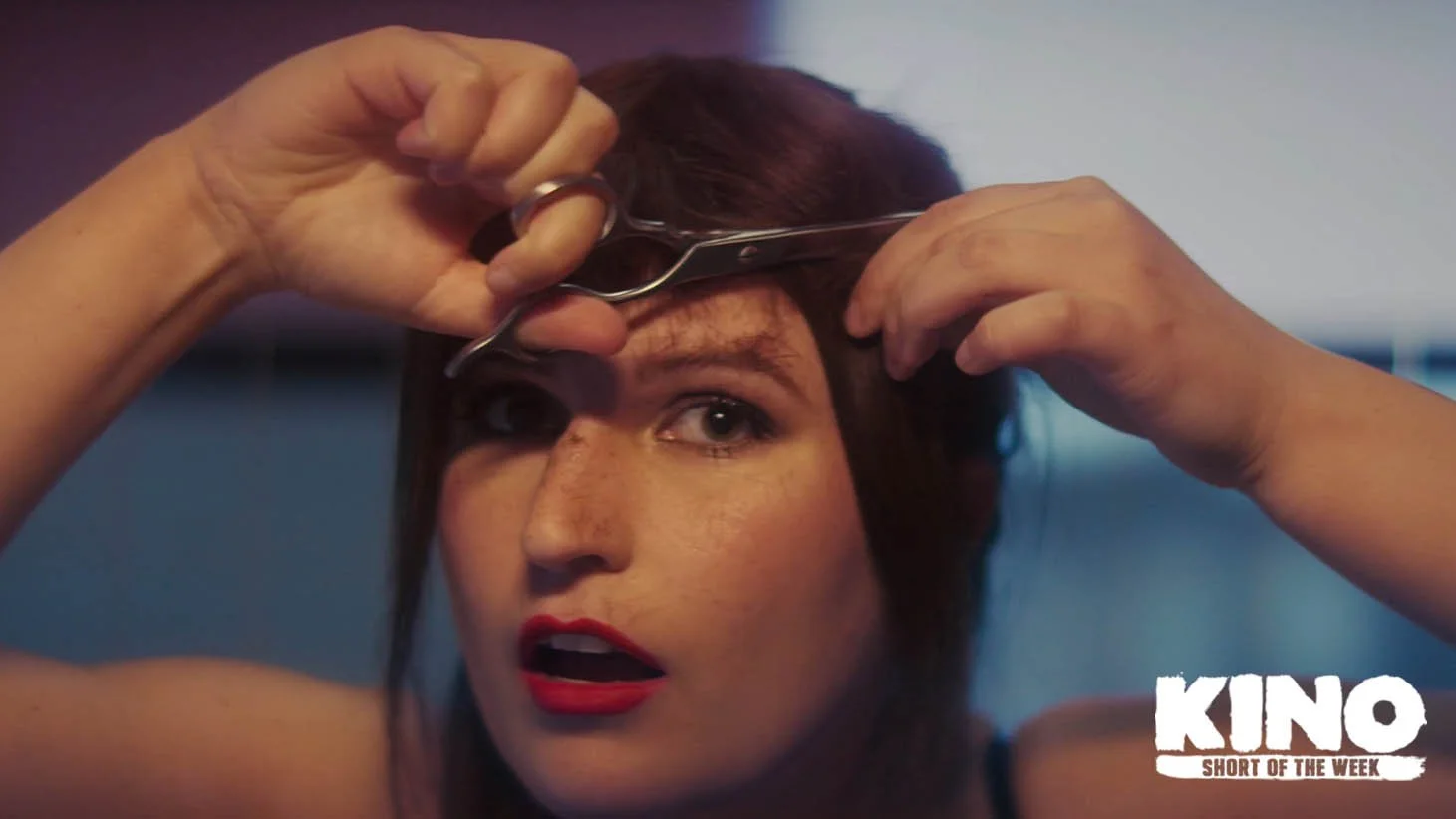
Written & Directed by Andrew Stevenson & Joseph Bisat Marshall
Izzy's unusual habit of smiling at her own reflection before turning off the light each night is an attempt to capture a positive image to end the day, like taking a photograph. But pop psychology tricks like smiling to make yourself feel better can only do so much when something genuinely terrible has happened...
READ OUR INTERVIEW WITH THE FILMMAKERS
Tell us a bit about yourself and your filmmaking background.
Joe is a production designer, so has a lot of experience in that area, while Andy has been writing for a few years. We’ve been pretending to like each other since we were about six years old and, having finally run out of things to talk about, we started writing together. We finished the script for our first short (estimated budget: £100k) then a few attempts later had one that didn’t require selling any kidneys (leaving a very disappointed buyer). Once that was written it felt like directing it made the most sense – we wanted the opportunity to have full creative control.
What was your inspiration? Why did you decide to make Everything is Completely Fine?
Joe mentioned that he used to smile at himself in the mirror before turning the light off before going to bed, because he wanted the last image of the day to be a positive one. Obviously that's the behaviour of a psychopath, so we thought it would make an interesting film.
The film is about the limits of what we can do to help ourselves feel better when we're going through a traumatic period in our lives. Pop psychology tricks like smiling to make yourself feel better can only do so much when something genuinely terrible has happened to you – we thought there was something darkly funny about the attempt. It also feeds into the discussion that's become a lot more prevalent with the intrusion of social media into so much of our lives: photographs and images of ourselves are part of a fiction we create with even those closest to us, and ourselves. This story is our way of taking a momentary step back from that to admire its ridiculousness.
What obstacles did you overcome while in the making of this film?
The main obstacle is just the sheer number of things you have to organise to make a film of any size. Producing is a whole job for a reason. Restrictions are helpful etc. etc. but when your budget is that low, what’s really hard is that creative challenges can become administrative ones very quickly.
In terms of the writing, we wanted it to have a proper arc despite its duration. There's a tendency for shorts to be narratively ambiguous, which sometimes feels like a good use of the format, but often feels like there just wasn't enough time to tell a complete story. We challenged ourselves to write a structured narrative with one actor (ish), in a single setting, in just over three minutes.
Tell us about the journey of getting your film to audiences.
We've mostly gone down a fairly traditional route of submitting to film festivals. There's a decision whether to wait to make it available online or to get it out there straight away; a lot of festivals won't accept submissions that have had an online premiere. We made the decision to just get the film out there – it was always intended as a way for us to jump into the deep end of directing and to learn as much as we could.
Words of wisdom. What advice would you give to other filmmakers?
Nothing can really replicate the learning experience of actually making a film. If you're someone who's been writing for a while and sending scripts off to contests that ignore you before starting your next, just do it. Go all Shia LaBeouf. I mean, don’t. Obviously don’t do that. But make something. Anything.
Also, don't forget Talent Release Forms. Blake Snyder never mentions those.
What are you working on now?
We're currently in the process of securing funding for our next short, about two friends who apply to be among the first settlers on Mars.
Any film recommendations that we should add to our watchlist?
We're constantly recommending American Animals. It's an incredibly astute dive into the psychology of the American dream via a really original style of filmmaking.
Interested in getting your work selected as Short of the Week?

JOURNEY
When life couldn't get any worse, Jack realises his flight is from Glasgow and not Gatwick. Attempting to catch a last minute train from London, he is confronted with his stage in life by his fellow passengers.
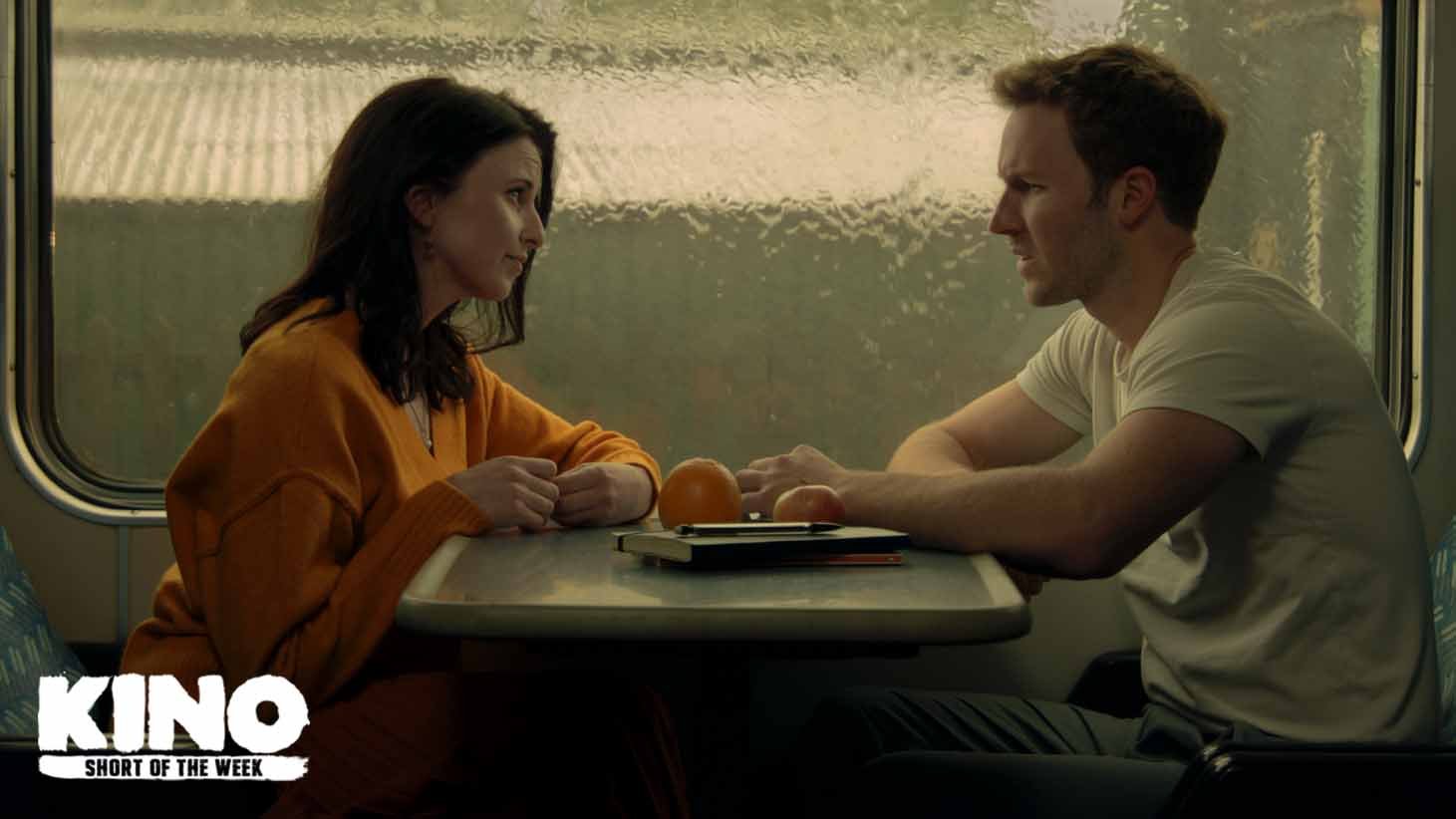
Directed by Panji Kaonga
Written & Produced by Stephen Maddox
When life couldn't get any worse, Jack realises his flight is from Glasgow and not Gatwick. Attempting to catch a last minute train from London, he is confronted with his stage in life by his fellow passengers.
Everyone is Jack. We all need Iris.
READ OUR INTERVIEW WITH STEPHEN
Tell us a bit about yourself and your filmmaking background.
PANJI: I grew up in Zambia, in South Central Africa, where we have a strong folktale culture. As early as primary school, we’d have time slots to stand in front of the class and tell a story. That was always a highlight for me. Couldn’t afford equipment early on but got creative with whatever I had, which meant getting electric shocks a few times :)
STEPHEN: I grew up in Chicago watching films and TV with my dad. In university I made my first short film SLEEPING WITH YOUR EYES OPEN and a TV pilot BACK ISSUE. In 2010, I fell heavy into screenwriting; completing feature scripts, short film scripts, and promos. Upon moving to London in 2017 I founded my film company “southside films” (named after my punk band from university) and our debut short was JOURNEY. Since then, I’ve made LUCID (short film) a best screenplay winner, ‘TWAS THE NIGHT BEFORE CHRISTMAS (poetic short film), A WALK TOGETHER (micro short), one of the producers on a feature film and an informational piece on human trafficking, wrote and directed two documentaries, and two Christmas specials with music videos, and still more works in the pipeline.
What was your inspiration? Why did you decide to make Journey?
STEPHEN: When first moving to London a station was clearing out and I found out someone had jumped in front of the train. After trying to find the story in the news later in the day, I realised how common it was in London and around the UK. Later a friend visited from the US and was very frustrated with their stage in life and that led to the blending of both stories into Journey.
We wanted to make Journey to encourage people to reach out when feeling lonely or hurting and for all of us to talk to those near us to check in and make sure people are doing okay. Whatever we can do to help stop suicide and those feeling alone.
PANJI: Journey is a relevant story today and one I can relate to. I’ve been in Jack’s position before and it’s great when you have the chance to meet someone who shifts your perspective.
What obstacles did you overcome while in the making of this film?
STEPHEN: We weren’t success for BFI funding and the first round of crowd funding was a flop, so we lost our original cast. The second round of funding happened because of a ton of people chipping in what they could afford and then two large donors came in the end. The original story started outside the station and through the station. After trimming the budget back it meant the story was to be done in a day and in one setting.
PANJI: Finding the right location and conditions was challenging. Had to adjust the script a little to work with what was available within our budget. We shot on a static train and had to be creative with lighting and fake rain.
Tell us about the journey of getting your film to audiences.
PANJI: Right from the start we included the festival run in the budget. Stephen, the writer, and producer did such a great job researching and shortlisting potential festivals and audiences we could target. We’ve taken advantage of networking opportunities and have enjoyed meeting other filmmakers and sharing experiences.
STEPHEN: We went through festival rounds and sharing it with anyone and everyone. Ultimately a streaming company IVOX+ saw it at the Aspen Film Festival market and asked to put it on their streaming site as well.
Words of wisdom. What advice would you give to other filmmakers?
STEPHEN: Make projects, keep collaborating, and keep going. This isn’t a sprint, it’s a lifetime marathon. Keep writing, keep shooting, but finish the damn thing. Nothing worse than stories dying on hard drives. Ask for help, see what people think, keep experimenting, but just keep typing and keep shooting. Each project hones your skills and makes you a better storyteller and filmmaker. We need everyone’s story. In a day when it’s content overload the main thing is picking the right concept and working with a premise that’s unshakeable, but every story matters.
PANJI: Don’t wait for the right moment and conditions to start, use whatever you’ve got and keep making films. Keep practising and make great connections with creatives along the way.
What are you working on now?
PANJI: I have a couple of films in post-production but also writing a short thriller on cyber-crime.
STEPHEN: Finishing up a micro budget/micro short to compete in that category. Developing a music video/short film with an independent artist that starts shooting in August. Writing a feature script with a writing partner with aims of it being a debut feature film for 2023. Developing a documentary on human trafficking that films at the end of the year. Really want to shoot a project on film soon.
Any film recommendations that we should add to our watchlist?
STEPHEN: I’m too much of a fanboy to narrow it down, I just love cinema. I love classics and early works from artists like Chinatown, Casablanca, Sunset Blvd., Memento, etc. For me it’s just watch films. Figure out why they shot it certain ways, why did the cast make the choices they made, why does the story move you.
PANJI: Catch Me If You Can, Eternal Sunshine of the Spotless Mind, and Inception.
Interested in getting your work selected as Short of the Week?
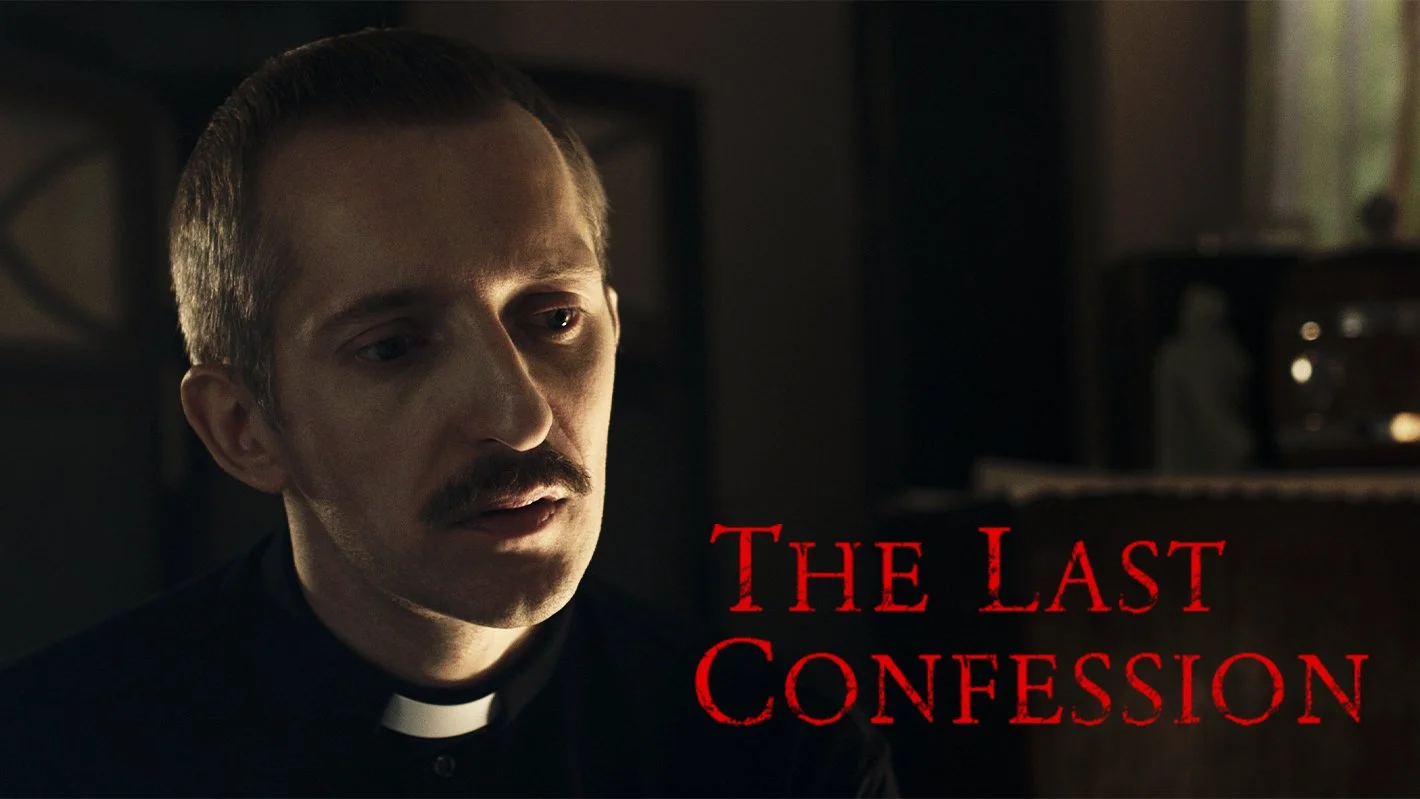
THE LAST CONFESSION
On his deathbed, a Nazi calls a Priest to confess his darkest secrets.

Directed by Dustin Curtis Murphy
Written by Kev Hopgood
Produced by Kev Hopgood & Marius Smuts
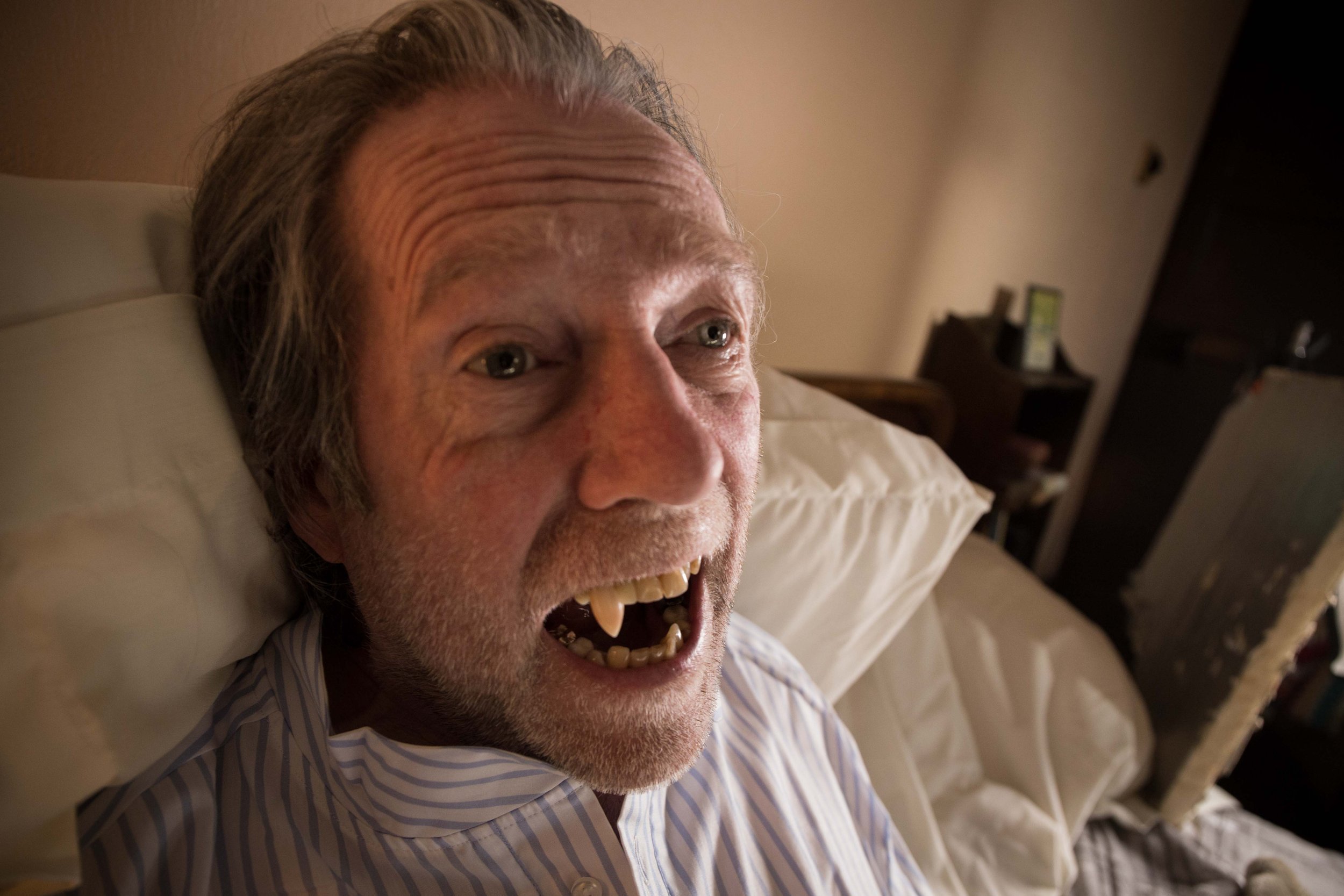
A dying old man summons a priest to his bedside. The old man seeks to undergo the rite of the last confession. He's abrupt and cynical, and he confesses to a litany of transgression, from being a cold father to cheating on his wife to being a guard at a Nazi concentration camp. But as the priest listens, the old man shares the one redeeming thing he's done with his life.
As a guard, he saved a young Jewish woman from the gas chambers, who managed somehow to stay alive despite the fatal gas. He hides the woman and keeps her alive, until one day she disappears mysteriously. But as he confesses, he reveals her fate -- as well as his reward for his act of goodness in his life.
ABOUT THE FILM
Screenwriter/producer Kev Hopgood brought a draft of THE LAST CONFESSION to a Kino writer’s group held spring 2019 where he met director Dustin Curtis Murphy. They joined forces and the film was shot summer/fall of 2019. Once released it was a Golden Stake Award Winner at Shockfest and Nominated for Best Short Film at Unrestricted View Horror Film Festival, both in 2021, before being released on Omeleto in summer of 2022. Omeleto hosted the film on their channel for 6 months, earning roughly 20,000 views, and the film is now hosted on our Kino Short Film YouTube channel.
ABOUT THE FILMMAKERS
Dustin (director) is no stranger to the Kino community. He is an award-winning writer, director, and producer creating work at the crossroads of social impact and commercial crowd-pleasers. His work focuses on character driven narratives with relevant social themes and tightly structured plots, often working in blended genre. Loves a good twist.
Dustin has produced 2 web-series, 1 feature film, and 9 short films that have been recognized by Academy Award, BAFTA, and BIFA qualifying film festivals.
Filmography highlights include:
COYOTE - a dystopian sci-fi starring Therica Wilson-Read (Netflix's The Witcher), Borislava Stratieva (Luther: The Fallen Sun), Ailish Symons, (The Widow) and BIFA Winner Ruhtxjiaïh Bèllènéa (The Last Tree).
SAMARITAN - Selected for the Climate Story Lab run by Exposure Labs, BFI Network and Doc Society. Winner: Best International Short at the Sedona International Film Festival and the Grand Prize at The Weather Channel's #EarthFilmChallenge; Semi-Finalist at the Academy Award Qualifying Flickers’ Rhode Island International Film Festival. Distributed via Omeleto.
Kev (screenwriter & producer) started his comics career in the mid-1980s, working as a penciller on the Marvel UK strip Zoids. Work for various titles followed, including Action Force, Doctor Who and 2000 AD, where he co-created the series Night Zero. He went on to a three year stint as penciller for Iron Man for Marvel in the US. During his tenure he co-created the character War Machine, who has spawned numerous spin-offs and made major appearances in the Iron Man movies. Past and current clients include Marvel Comics, Games Workshop, Oxford University Press, DC Thompson, BBC Worldwide, Macmillan, 2000 AD, Franklin Watts, Pearson, Barrington Stoke, Real Reads, Cambridge University Press, Eaglemoss, Usbourne and Badger Publishing.
Kev currently divides his time between working in comics, the wider world of children's illustration, and for pleasure he enjoys making short films.
READ OUR INTERVIEW WITH DUSTIN
Tell us a bit about yourself and your filmmaking background.
My name is Dustin and I’ve been making films since I was a kid in the backyard using my parents home video camera. My debut was a western with double-sided tape and paper mustaches, stick horses, and starring a 10 year old version of myself.
Being raised in California I was lucky enough to have video production taught at my Junior High and High School, and quickly became teachers pet, over delivering on film project homework. My dad bought me college level film curriculum that I studied long before it was time to put in college applications and I began touring festivals at the age of 14 with my student shorts which leaned heavily into one of my favourite influences - The Twilight Zone.
In my senior year I won Shriekfest in Hollywood with my short film Repossessed - about a serial killer that intentionally doesn’t pay his month car bills in order to lure repo men as his next victim, steals their identity, and repeat. The same year I optioned my first feature screenplay and entered the industry as a production assistant, so I decided to start getting real world work experience instead of going to a film school that would put me in debt for the rest of the my life and make me sit in a classroom for my first two years learning theory. I’m a big advocate for learning to make films by actually, well, making films!
I’ve also worked a lot in theatre and learned so much there about the creative process and working with actors, which if you’ve seen The Last Confession makes sense - it’s style and structure is very theatrical and I could easily see this scene being performed on stage.
While my first screenplay fell out of option un-produced I continued to write, direct, produce and edit my own short form content including a 50 episode web-series and several short films - my most successful being Samaritan (2020) which won the Weather Channel’s #EarthFilmChallenge and Best International Short at the Sedona Film Festival, among other festival successes, and eventually premiered on Omeleto - the largest YouTube channel for short film.
I’m currently a working director, producer, writer and editor living in London and daily doing the hustle.
Tell us about the Genesis of The Last Confession?
The script for The Last Confession first came to my attention at a Kino writer’s group at a pub in London. Kev pitched his idea and the following day I reached out to him via email to tell him that I was interested in directing if he’d have me. He said yes and we quickly wrangled preproduction shooting the film in late 2019.


What obstacles did you overcome while in the making of this film?
Typically, I also produce the short films that I direct. With The Last Confession is was nice to have Kev and Marius handle the logistics so I could focus on the creative.
From what I hear, the hardest part was wrangling the location for the gas chamber. You’d think a dank old basement would be easy to find in London, but many of those type of filming locations wanted a fortune. We were lucky enough to find a theatre in Kent that had a basement they were willing to let us film in on the cheap.
So the takeaway for any producers out there reading: Travel costs can sometimes be lower than paying for a location in your area (but maybe not anymore with the freaking gas prices).


Tell us about the journey of getting your film to audiences.
Okay, so I’ll be honest, this film totally tanked on the festival circuit. We played at two festivals - Unrestricted View Horror Film Festival in London (where we were nominated for Best Short Film) and Shockfest (which gave us a Golden Stake Award - sounds fancy, but hey give out about 90 of those awards every month). Anybody whose had their short on the festival circuit, and is willing to be honest about their experiences, will tell you that they receive more rejections than Official Selections. It can really wreck havoc on your mental health if you let it.
But… film festivals aren’t the only way to get your short film seen. Some filmmakers aren’t too keen about getting their work online. They’d rather be in a cinema at a festival because it’s always great to play to a live audience. But even the biggest festival audience typically gets less eyeballs on your film than the most modest online premier.
Perhaps you think a big successful festival run is needed to land distribution on a big online shorts platform, but that’s not always the case. It’s fine to skip the festival circuit altogether if you’d rather avoid a headache, and sometimes you’re just sitting on a brilliant film waiting for a year of rejection to pass by before getting it online - why not just release straight online if you can?!
In my case, relationships help. Omeleto had previously premiered my short film Samaritan. After that I’ve got them involved in Kino and, as a curator of short film myself for the Kino London Short Film Festival, I’ve sent other great shorts I’ve come across in Omeleto’s direction. When I approached them about The Last Confession, I was honest about its failings on the festival circuit and fully prepared for them to say “Thanks, but no thanks.” But to my surprise, they liked it and gave us our premier.
Words of wisdom. What advice would you give to other filmmakers?
I’ve seen too many aspiring filmmakers spin their wheels because they want their first film to be a masterpiece. It’s definitely the right idea to strive to make a film to the best of your ability, but no one is going to grow as an artist without practice. So… don’t be afraid to fail.
If you start writing and the script isn’t turning out the way you want it to, then don’t give up by shelving the script. Get some feedback from an experienced writer whose work you respect and a write a couple drafts. BUT… it’s also important to not end up in an endless feedback loop of rewrites. Incorporate the feedback that resonates with you and discard the feedback that doesn’t. Whatever you do, don’t chase your tail trying to please everyone by incorporating everyone’s contradictory notes. Know what your film is. Know what your film isn’t. And listen to the people who want to make your film the best version it can possible be. Don’t listen to people who want to highjack your vision and turn your project into something else. I personally think that every writer can get where they need to go in no more than 5 drafts. Iteration for a short film should take no longer than a couple of months.
Once your script is ready, get it into production any way that you can. Sure, aim for that DOP with a cinema camera and that producer who won a BAFTA, but when they ghost you (as happens with most cold call emails) then it’s time to get the film into production yourself. Shoot on a DSLR or iPhone if you have to. Just get the project made. Don’t wait for perfection. An imperfect, but completed, film is better than a perfect film that only lives in your head.
Once you’ve shot and edited the film, chances are you’re gonna be so over saturated with watching it that you’re not gonna be in a position to accurately assess how good/bad your finished project is. Like with your screenplay, get some feedback and just keep moving on to the next step which is: getting your film seen (by any means necessary).
You may be embarrassed to show your film because it didn’t turn out the way you’d hoped, or you may just want to get into production on another film because you’re not a natural marketer. BUT… the experience of watching your film with a live audience will help you grow as a filmmaker. Feeling the vibe of the room when screening your work helps you understand which aspects of your film work and don’t work.
AND… it’s not about chasing festival laurels. There are so many festivals out there that aren’t really festivals, but they’ve give you a .png file to make you feel good because the big boy festivals are brutal with machine-gun spraying rejection letters. A good middle ground is aiming for mid-tier festivals. Not only because your chances are higher in a smaller submission pool, but also because mid-tier festivals typically have a passionate team behind them who oftentimes are filmmakers themselves. I’ve found that curators who have filmmaking experience tend to truly care about curating the best quality films. Some of the bigger festivals receive an overwhelming amount of submissions and oftentimes their programers aren’t people with filmmaking experience so they tend to prioritise films with relevant social trends vs craft filmmaking. I know you want that Academy Award qualifying laurel on your poster, but honestly at the end of the day it doesn’t make that much of a difference. I’ve chatted with BAFTA nominated short filmmakers who you think would have found the keys to the pearly gates of feature filmmaking via their short form success, but the truth is no one is really knocking down doors to provide a plethora of opportunities for short filmmakers at the top of their game. You have to knock down your own doors.
And finally… let’s say that you get rejected from festivals. Screw ‘em. There’s other ways to get your film out there, like Kino’s Short Film Open Mic, sharing it online with friends and family in the hopes of getting in trending, sending it to short film blogs and websites, or even using your short film as a calling card when direct emailing potential future collaborators.
What are you working on now?
I’m currently in post-production on my debut feature film, COYOTE, a dystopian sci-fi about how newly developed teleportation technology affects the refugee crisis. It star Therica Wilson-Read (Netflix’s The Witcher), Borislava Stratieva (Absentia), Ailish Symons (The Widow), and BIFA winner Ruhtxjiaïh Bèllènéa (The Last Tree). We’re going to market with it this year and aiming for a top tier distributor to help us with a wide release in 2023.
Any film recommendations that we should add to our watchlist?
Some of my favourites I’ve watched lately:
THE WAVE (2020) a great indie feature starring Justin Long. Think FEAR AND LOATHING IN LAS VEGAS meets AFTER HOURS meets time travel.
tick, tick, BOOM! (2021) is simply one of the best films ever made about what it’s actually like to be a creative trying to get your big break.
THE EYES OF TAMMY FAYE (2021) was one of my favs from last years award season. Got way too much hate/indifference. Andrew Garfield should have won Best Supporting Actor for his performance, but he wasn’t even nominated. (Granted, he was nominated for Best Actor in a Leading Role for tick, tick, BOOM! and I still haven’t seen CODA which actually won Best Supporting Actor.)
Not a film, but current series that I think are worth the watch:
OUTER RANGE - Part western, part sci-fi. Great cast! Josh Brolin just as good as ever and Imogen Poots gives her best all time. Also great to see Lili Taylor again in a major release after all these years (“Joe lies.”)
SEVERANCE - Stylish sci-fi with Ben Stiller at the helm giving his career best (off-screen). John Turturro and Christopher Walken have a thing for each other!
Apply to get your short selected as our Weekly Pick

VISKAR I VINDEN
A feisty forensic investigator gathers evidence at the murder scene, but suddenly the corpse start to posthumously communicate to her through decaying farts.
Written & Directed by James Newman
Matilda is a forensic investigator gathering evidence at a crime scene, where an elderly man's body lies dead, gruesomely murdered by an unknown person.
It seems just another day on the job, and Matilda is told by the detective to get things done, though Matilda seems eager to take the detective role herself. When the corpse decides to communicate posthumously with the investigators in an unusual, decidedly earthy way, Matilda takes it upon herself to do some investigation on her own.
Tell us a bit about yourself and your filmmaking background.
I grew up in Reading, Berkshire. After a University Degree in filmmaking, I moved to London to pursue a career in Film & TV. I worked as a runner and production assistant at Post-houses and Production houses in Soh, whilst writing on the side. My first writing credit was the multi-award-winning micro-short 'The Chop" (Dir. Jennifer Sheridan). Most recently has co-written the unproduced screenplay feature "God Damn Evil Beasts." which was a semi-finalist in the Fade-In Horror Screenplay Awards and at Filmquest. Viskar I Vinden is my directorial debut, alongside my brother Harrison, the Co-Producer and Director of Photography.
What was your inspiration? Why did you decide to make Viskar I Vinden?
I'd been to Film Festivals and noticed how many of the films are issue-based dramas. I wanted to do the opposite. I was also thinking about resource and how we could stand out from the crowd, so this film was made with Film Festivals in mind. We landed on a crime scene investigator (as their costumes were cheap) and we could shoot the film in one location. I wasn't incredibly sold on the idea until my brother and I were joking around about making it a Scandi Noir. We then decided it was funnier as a Scandi Noir.
Why the decision to make the film in a foreign language?
The decision to make it a foreign language was because it was much funnier. The idea in English just felt a bit crass -- as in I know it's still a crass idea but I wanted to lean into the art crowd and Scandi Noir seems to be more well respected than British procedurals. So it rested on being a low-brow comedy dressed as a high-brow crime drama.
What obstacles did you overcome while in the making of this film?
I didn't speak a word of Swedish, so that was the biggest obstacle. I really relied on Kim (Harrison’s Swedish partner) and the Swedish actors (who were amazing) to guide us through. We would go for a general tone and they would change the script to fit what's true to how you would say it in Swedish -- they could’ve said anything and I would’ve nodded and told them it was a great take.
Tell us about the journey of getting your film to audiences.
We’ve been on the film festival circuit for about seven months. We’ve focused on the UK film festivals, and we’ve been approached by a couple of American film festivals to screen there, so we’ve screened at two festivals there. Off the back of the festival we’ve had a couple of distribution deals and hosted on Omleteo.
Words of wisdom. What advice would you give to other filmmakers?
Don't make a serious issue-based drama - enough people are making them. I know you probably have something interesting to say but find a creative way to say it. Cram your dementia film into horror, sci-fi, or thriller. I've seen so many blocks where they're depressing films after the next - an easy way to stand out is to do the opposite of what everyone else is doing.
What are you working on now?
I've just finished my first issue-based drama... well not really a comedy about cheating and art - it’s called Do Not Touch we wrapped last weekend and we’re currently in post production. I’m really glad how it’s turned out given its out first film in English.
Any film recommendations that we should add to our watchlist?
Features: Everything Everywhere All at Once, Sorry to Bother You, Some Like it Hot, Game Night, Get Out.
Interested in getting your work selected as Short of the Week?

ONLY FOOLS RUSH IN
A conversation about tea drinking unravels a world conflicted by the rush of everyday life.
A film by Jack Turner
Poetry written and performed by Cat Hepburn
A conversation about tea drinking unravels a world conflicted by the rush of everyday life.
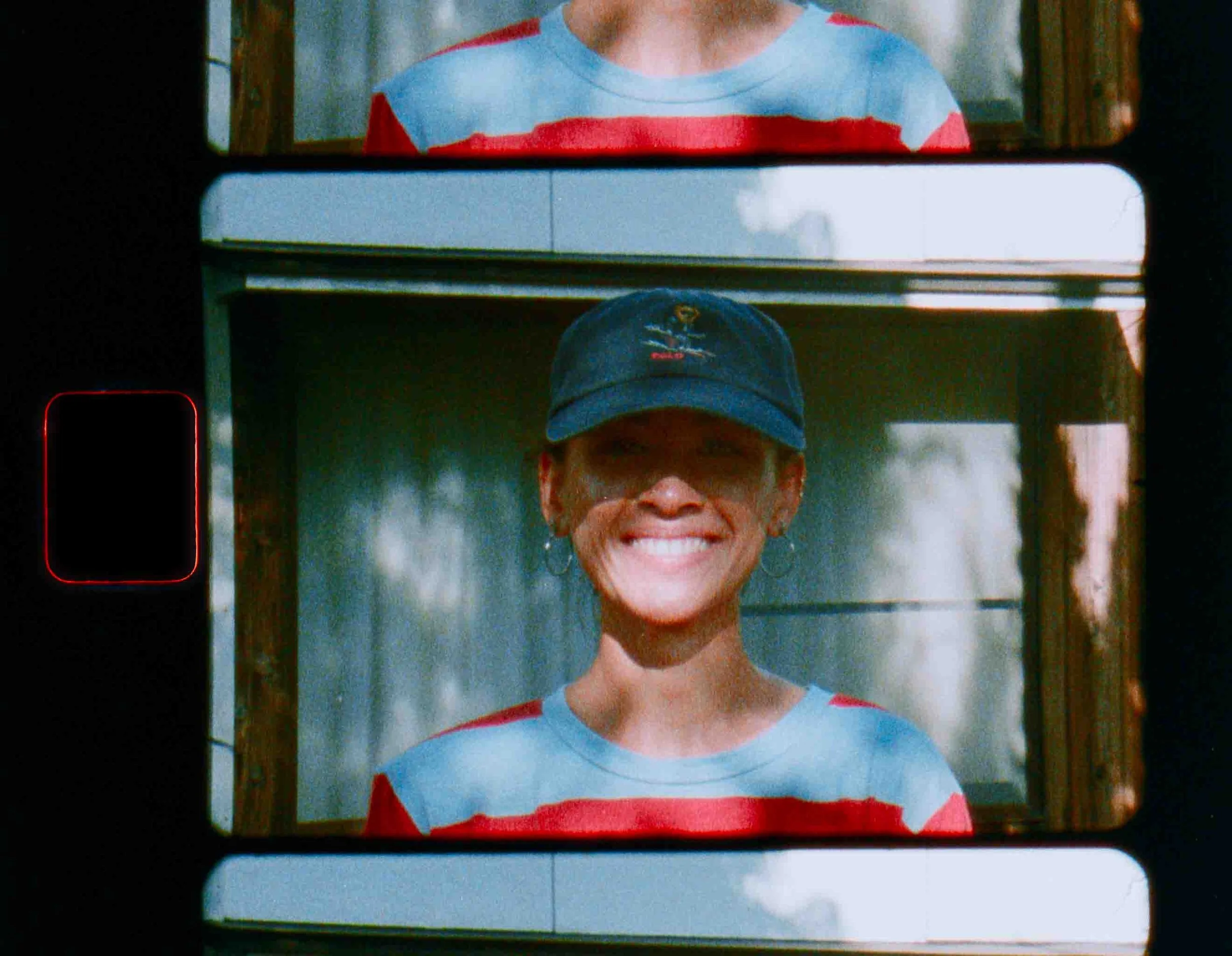
In 2018, I visited a small tea shop in Hong Kong where a man told me the taste of his tea tells him how he feels. An introspective and experimental short more about the little things in life than drinking tea.
Tell us a bit about yourself and your filmmaking background.
I’m a multi-disciplined director based in London who works across commercials, music videos, documentary and short film. Alumni of the National Film and Television School, I’ve directed for Rag ‘n’ Bone Man, Alfie Templeman and Zipcar.
What was your inspiration? Why did you decide to make Only Fools Rush In?
Only Fools Rush In was born from a conversation. I was in Hong Kong for a film job and it was my last day. I ended up in a tiny tea shop and spent almost 4 hours there, sat down with the owner, drinking tea and talking. At the time I never had any intention of making a film, but the conversation really stuck with me when I travelled home and I genuinely couldn’t stop thinking about it.
Did you source the film footage or actually travel to get all those beautiful shots in various locations?
I had already planned to go travelling, but the idea of this film came so close to it that I decided to shoot it in each of the countries I went to. I wrote a (very) rough outline of what I wanted to capture, thinking of simple contrasts that would begin to form my world. Shooting on Super 8mm provided an energy to the edit with its natural blemishes and texture, but most importantly it made me consider each shot. I went out with various stocks and filmed very much as an observer, no setups, no real planning. I always had the story in mind, but the process felt organic. Side note: I kept all my receipts, leaflets, cuttings and left over bank notes. They all ended up being used as texture in the transitions between the Super 8mm and 2D animation.
What obstacles did you overcome while in the making of this film?
As with a lot of passion projects one of the biggest challenges is keeping that momentum. Money isn’t on the line, time and deadlines are quite literally in your hands. It was definitely hard work to keep coming back to this one because the freedom meant you constantly tweaked and tweaked. Working with a small group of friends and collaborators really helped by giving their time to keep the energy, focus and bring new ideas and opinions to the table. Without them I think I’d still be editing now…
Tell us about the journey of getting your film to audiences.
It was a case of constant revisions, taking on opinion and comment from others. Like I mentioned before it was definitely a challenging process but I learnt so much about not hiding away with your own ideas and thoughts. When you finally feel you are in a position to share the film feels so much bigger than it ever could’ve been - a product of collaboration no matter how small the team is.
Words of wisdom. What advice would you give to other filmmakers?
I think what I’ve found over the past year or so is that spreading the wings far and wide is a massive help to your growth as a director. Don’t box yourself. Don’t set unobtainable targets or get yourself in a twist about what others are doing. Find your own path, take opportunity to meet and work with new people and form a network around you that makes you happy. Talk to people, offer to review work and share your own when you can - it gives you so much more value to film than just delivering the final product.
What are you working on now?
Pitching on music videos, commercials and developing a new short. I’m also in the midsts of delivering a sports documentary I directed. It’s going to the channel soon so more details to come!
Any film recommendations that we should add to our watchlist?
Some things you may not of watched; Parasite in black and white, completely different experience! Only God Forgives is one of those films that cemented what I wanted to do. It’s bold but it illuminated so many boundary-breaking things in cinema to me. Did I mention that Succession is the greatest TV show of all time?
Interested in getting your work selected as Short of the Week?
MIJO
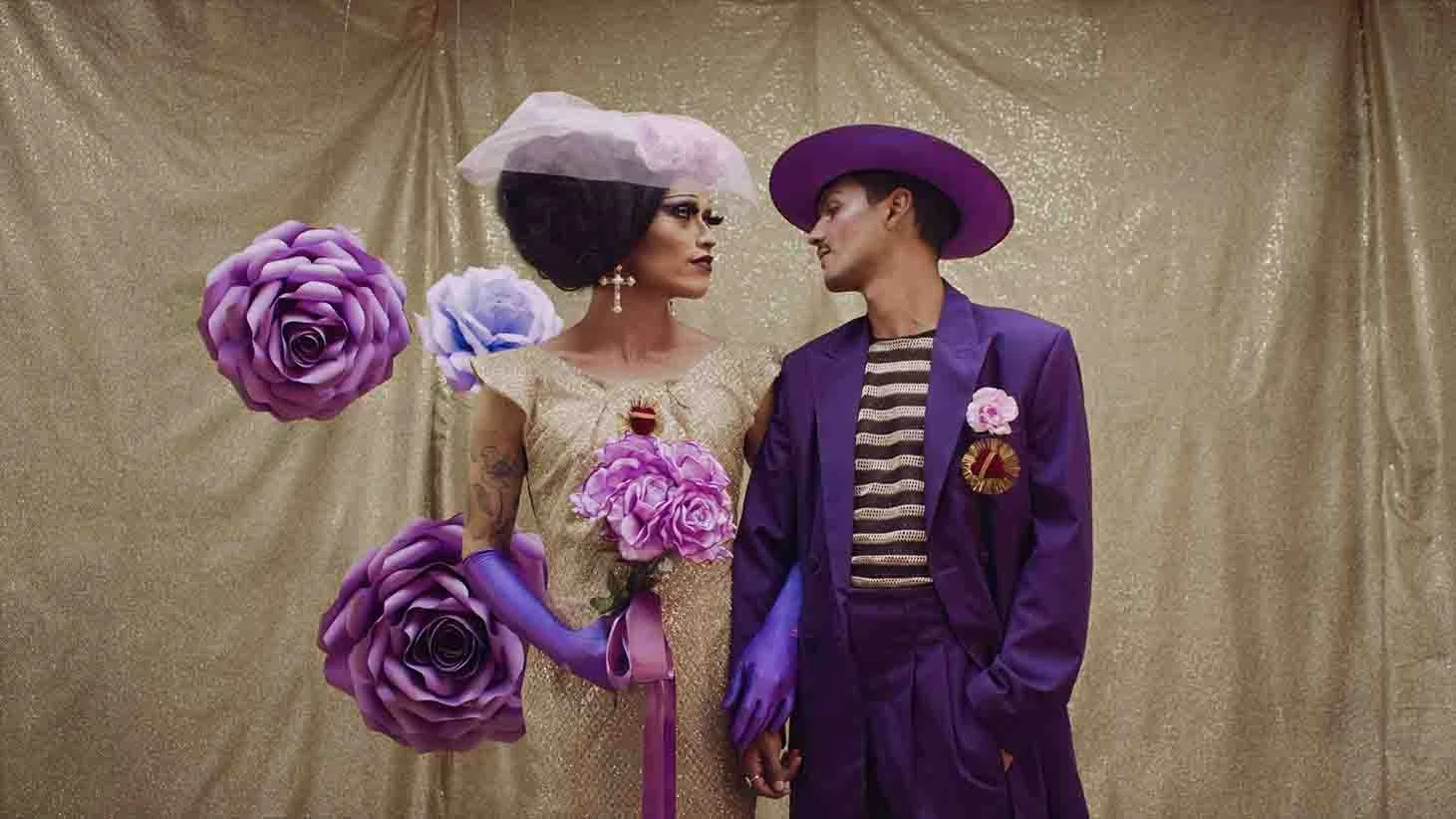
Mijo is a young dreamer, suddenly blessed with the gift of King Midas. However his ability has a unique twist: whatever and whoever he touches is stylishly pimped up.
Written & Directed by Mazdey Snob
Shot in the uncharted streets of Mexico City, Mijo is a colourful and fun fashion film inspired by the pachucos fashion from the 40s. The film is a collaboration with independent local artists, showcasing traditional Mexican tailoring, fashion, music and illustrations all in one project. Channelling the city's edgy and urban spirit, Mijo reinterprets the myth of King Midas through a modern Mexican lens.
Tell us a bit about yourself and your filmmaking background.
I studied graphic design, but I always wanted to work on audiovisuals. So when I discovered the fashion film I fell in love with the genre and the freedom that it has to tell stories - I then I started making fashion films in 2014. Almost all of my work as a director has been done with designers, artists and fashion brands. It has been great to be able to create with them, since it has been a very personal process, managing to create artistic films with commercial projection and achieving that balance. And also being recognized at festivals like yours, which makes me very proud.
What was your inspiration? Why did you decide to make Mijo?
My idea was for Mijo was to be a Mexican fairy tale, created with the elements of our culture and our streets. I decided to take the myth of King Midas and appropriate it to turn it into something that happens in Mexico. Instead of turning things into gold, his gift was to stylize everything that “Mijo” touches, to give it a fashion twist. All of this is told in the language of comedy. I wanted it to be something fun to watch and I wanted to give it a lot of moments during the story that you can treasure as a viewer, like the encounter with the puppy, his walk, or his daydreams.
Mijo's clothing is inspired by the style of the Pachucos of the 40's, it is a style that has caught my attention since I was a child. This fashion represents a lot in Mexico and has also been a symbol of resistance of migrants in the United States. Something that is important to me is the positive representation for us Mexican/Latino people with brown skin. In Mexico, curiously, being brown, black or dark-skinned is a stigma and in “Mijo” and in other of my works I have tried to combat that.
What obstacles did you overcome while in the making of this film?
It's a very detailed production that we had to accomplish on a tight budget, so we had to be very careful with the shooting schedule and how we distribute the expenses. It was a slow process of searching for each prop in the city's popular markets, which was also part of the spirit of the film.
Another difficulty was that we had limited time to record on location, we did not have the benefit of any institution since in Mexico it is difficult to have government support for independent productions. We put up the street decorations ourselves and we asked the people of each house for permission to do so. The cars that appear belong to private individuals and I found them searching the streets. I mean everything was local and independent, many people participated and trusted us and what we were going to create.
Tell us about the journey of getting your film to audiences.
Bringing “Mijo” to the public has become a very great experience. It has been selected and nominated at several festivals and has also received several awards such as “Best Glam” at LA Fashion Festival, “Best Actor model” at UK Film Fashion Festival, “Cinema Femme Short Film Fest Phenomenal Woman in Film award” and the “People's choice award” at ASVOFF.
But the best part is that I have received messages from people through social networks to tell me how much they like “Mijo”, how fresh they find the film and the positive representation. Being able to connect with people through my work is really rewarding. I have to give a special thanks here to Niccolo Montanari who has handled the distribution and is really wonderful to work with.
Words of wisdom. What advice would you give to other filmmakers?
In my experience so far, I think it is important to be aware that the system is very complex and does not provide equal opportunities for all. So it does not always mean that our work is bad. If the opportunity presents itself, you have to hold on to it or create the opportunity yourself. Of course it is very difficult, but it is about betting on what we do despite the fears and uncertainties that arise along the way. There are always those who believe in you and your work (which I appreciate very much) and also the audience can identify with what you have to say and your vision. So keep going and don't let go.
What are you working on it now?
I received an invitation from various platforms to give conferences and workshops about fashion film in the coming months and also the invitation from the GRRL HAUS Cinema festival in Berlin to carry out specialized curatorship on the subject. I am now a permanent resident in Spain and I recently directed a music video in San Sebastián, Basque country, so I am excited for the projects to come and always looking and open for agencies and people who want to work with me.
Any film recommendations that we should add to our watchlist?
The “Namesake” and “Queen of katwe” by Mira Nair , “The Roof” by Vittorio de Sica, “The Tale of the Princess Kaguya “ and “Pompoko” by Isao Takahata, “My Happy Family” by Nana Ekvtimishvili, “Noche de fuego / Prayers for the Stolen ” by Tatiana Hueso, “A Cop Movie” by Alonso Ruizpalacios, “Tangerine” by Sean baker. And I just saw “The 7 Lives Of Lea” on Netflix and I loved it.
Interested in getting your work selected as Short of the Week?

EMBERS
Alice sits alone at a restaurant, waiting for her date to arrive…

Written, Produced & Directed by Tom Ganley
Alice sits alone at a restaurant, waiting for her date to arrive… Doesn’t sound like an interesting synopsis, but don’t be fooled by it. Embers is an emotionally complex film, winning multiple awards at film festival this past April for best screenplay, best performance in a drama & best first time filmmaker.
Tell us a bit about yourself and your filmmaking background.
I've always had a deep love for filmmaking.
Growing up as a teenager, I'd spent most weekends with school friends shooting silly, self-shot shorts - everything from a Reservoir Dogs Remake: Reservoir Cats to our iconic superhero franchise Lycra Lad.
As you'd expect, they were mostly terrible, but looking back now it was innocent, creative expression in its purest form. A gaggle of stupid kids thinking they were Spielberg and having the best time doing it.
Between then and now I'd filmed the odd bit here and there, as well as writing a handful of scripts which never saw the light of day. But with Embers, I knew I had something different.
What was your inspiration? Why did you decide to make Embers?
The idea first formed in the wake of the loss of my wonderful Grandmother. She was a truly angelic force and her passing affected people around us in so many ways. It was coming to terms with this and seeing how family and friends around me also tried to cope.
Once the core concept began to form, I became pretty obsessive, writing out the first draft script over a couple of days - it flowed out of me in a way I'd never had with any script I'd written before, so I knew I was onto something. I shared the piece with a group of close friends – this kick-started a snowball effect that attracted and inspired an incredible team of friends, cast and crew, committed to bringing this story to life on a shoestring budget.
This self-funded film was in many ways a step into the unknown. What began as a passion project became something bigger and more meaningful. Something that brought people together with a common creative focus in a time when COVID called the shots.
What obstacles did you overcome while in the making of this film?
Embers was the first 'proper' film I'd made with a crew and talent, so there were a fair few logistical elements to get my head around as a first-time filmmaker. Then a pesky pandemic rocked up and made things somewhat more challenging.
There were many moments where it felt like the world didn’t want this film to happen. COVID lockdowns led to three shoot cancellations and I was on the cusp of shelving it altogether...
But it was the enthusiasm, passion and drive of the amazing team around me who made sure it could happen. A group of friends, some old, some new, making something for the sheer love of making something.
Tell us about the journey of getting your film to audiences.
Using Film Freeway it was all pretty smooth. Embers is now coming to the end of its run on the festival circuit and has just launched on Klipist, following an intro at the Kino People's Film Festival.
While I'm on the subject, I couldn't let this moment pass without giving a massive shout out to Dustin and the team at Kino.
It was truly a magical festival experience and has already spawned some exciting opportunities. It's festivals like this that truly connect audiences and filmmakers and enable them to take those all-important next steps.
Words of wisdom. What advice would you give to other filmmakers?
Make sure to surround yourself with kind, passionate people. People who care about each other and creating something together.
What are you working on now?
I've got a couple of new ideas in the works, but it's very early days. Watch this space!
Any film recommendations that we should add to our watchlist?
Right now, I'd have to say Everything Everywhere All At Once & The Worst Person In The World. Obviously Bo Burnham: Inside if you've not seen it already!
Interested in getting your work selected as Short of the Week?

BULLDOG
After spending the night in a cell, a rough sleeper has a score to settle.
Written & Directed by Kieran Stringfellow
Produced by Tasha Williams
After spending the night in a cell, a rough sleeper has a score to settle.
Tell us a bit about yourself and your filmmaking background.
My filmmaking background, like most, comes from a pure love of cinema. As a child, I was transfixed by movies, they formed much of my earlier years. However, a career in movies was something, if I’m being honest, that I never knew existed until I dropped out of college and started googling different career paths. As soon as I came across filmmaking, I knew it was for me, and I’ve been working at it ever since.
For now, I’m moonlighting as a filmmaker whilst working a full-time job.
What was your inspiration? Why did you decide to make Bulldog?
I made Bulldog partly out of a necessity to make something, and partly due to being inspired by the new city that I had moved to at the time. I had just graduated and found myself at a bit of a crossroads – I was keen to make something, but didn’t have the kit, support, and peers that I had been accustomed to at university. So, I knew I needed to make something within my means, but without compromising on the cinematic quality.
At the same time, I was living and working in the centre of Manchester, which unfortunately has a large homeless population, especially compared to the city’s relatively small size. I was particularly disappointed by my initial reaction, and how I was quick to judge these people, assuming their circumstances were a result of their own actions. Bulldog formed my response to these assumptions, leaning into stereotypes and genre tropes to make something that would confront audiences with their own pre-conceived assumptions.
What obstacles did you overcome while in the making of this film?
Budget, time, weather, the list could go on. We didn’t really have any money, and it was just a few of us running around Manchester with a small camera, most likely breaking every filmmaking rule. Thankfully, we had a really clear vision for what we wanted to capture, and in this instance, the storyboards proved more important than the script.
But the biggest obstacle for me was probably post production. To keep costs down, I took on the edit, and it was a difficult process to say the least. With the films lack of dialogue and an obvious structure, and not to mention the fact I was editing without sound, I often struggled to make sense of what I was making. The vision that had been so clear throughout the shoot disappeared, and I was constantly doubting whether the film worked or made sense. It wasn’t until I received the score and sound design from my amazing sound designer Brian Lane, that I could be certain that we had made something of worth.
Tell us about the journey of getting your film to audiences.
Me and my producing partner had some experience of the festival circuit with our graduation short, and with Bulldog, our approach was the more the merrier. We just wanted to get the film as far and wide as possible, and with the film being a lean six minutes and featuring no dialogue, we felt it was very programmable. Unfortunately, the pandemic coincided with our festival release which meant all the festivals we got selected for transitioned to online events. But that said, it did enable us to watch so many more short films and establish relationships with people that we would never have otherwise.
Words of wisdom. What advice would you give to other filmmakers?
Be selective with the films you make. I think it’s so easy to go down the route of making anything and everything, but often that can result in work that never gets seen. For me, I found it’s more useful to let any ideas sit before I reach for the keyboard. Really deliberate and scrutinise your ideas, does it demand to be made? Because every film takes a Herculean effort to bring to screen and there’s no point in going through all that pain to make something that even you’re not 100% sure about.
What are you working on now?
Me and my producer have just boxed off our latest short which was backed by BFI Network. The film’s called Tow Truck, and we’re both excited and nervous to release it out into the wild.
We’re now in the script stages on our next short, as well as chipping away at some long-term feature length projects. Whilst a feature film is the dream, I still feel I have lots to gain from short filmmaking, and I’m keen not to rush the process.
Any film recommendations that we should add to our watchlist?
These are my go-to’s:
Distant Voices, Still Lives (Terrence Davies) – best film about dysfunctional families.
Beau Travail (Claire Denis) – best film about toxic masculinity.
The Headless Woman (Lucretia Martel) – best film about class divide.
Dust Devil (Richard Stanley) – best acid western.
Phoenix (Christian Petzold) – Just mint.
Interested in getting your work selected as Short of the Week?

Slightly Red Handed
Out in the Wild West, a retired magician is confronted one stormy night by an anxious priest in search of a miracle, but once a confession is made, tensions surface.
Written & Directed by by James Hastings
Out in the Wild West, a retired magician is confronted one stormy night by an anxious priest in search of a miracle, but once a confession is made, tensions surface.
READ OUR INTERVIEW WITH JAMES
Tell us a bit about yourself and your filmmaking background.
My love for cinema emerged from my discovery of Steven Spielberg during school, when I found myself immersed in the shocking realism of ‘Schindler’s List’. This prompted me to spend the following week studying Spielberg’s entire filmography which ultimately led to my passion for filmmaking.
I set up my independent production company ‘Hastings Infinity Films’ and have been making films since the age of 13. At 16, I leaped into the deep-end and wrote/directed my first feature film, a chapter in my life I like to call ‘the ultimate film school’. Funded by Kickstarter, 'Raymond's 5' landed a spot on Amazon Prime. Additionally, I’ve directed a number of low/no-budget short films, one of which took me to Cannes. I’m constantly finding ways to make a little bit of money go a long way.
What's your inspiration behind Slightly Red Handed?
Greed and regret; two themes I knew I wanted to tackle in this project. Having been a practicing card magician from a young age, I’ve always contemplated the idea of making a ‘magic’ film… but the real question was how to make it unique. Why not merge it with an unlikely genre? Sparked by my love for Leone’s Spaghetti Westerns and inspired by the modern works of the Coen Brothers and Tarantino, I developed the idea for Slightly Red Handed; A confession story dealing with motives of greed accompanied by some awesome music.
What are your tips for convincing western production design on a micro budget?
This film was shot on the basis that it was a ‘Lockdown short’; small crew, small cast, reasonably simple locations.
Some advice I’ve always been aware of is to write about things you know you have access to - advice I often fail to follow. I guess my love for filmmakers like Spielberg, Kubrick and Nolan have led to my overly ambitious ideas.
My advice for making a micro-budget western, especially if you’re shooting in England, is to keep it simple. We had one room to kit out with props, and even that was a struggle to make it look busy, authentic and ‘lived in’. However, with some research, a creative visual style and a couple of spare shotguns, you’ll be good to go!
What obstacles did you overcome while in the making of this film?
Tackling Covid safety whilst shooting proved to be manageable, but very much a restrictive part of the process. Set-building my garden shed into looking like a ‘dishevelled cabin’ wasn’t easy. Every film comes with it’s own challenges, but it’s overcoming these obstacles that make you a better filmmaker.
Any hacks or tips for making a short film?
Some great advice comes from Tarantino, in which he said ‘If you truly love cinema with all your heart and with enough passion, you can't help but make a good movie’ and I couldn’t agree more. It takes a lot of time and a lot of work to learn your craft, but if you love cinema that much, then you’ll be willing to go all the way.
Short films are a perfect way to learn and develop your 'style' without the stress of having much to lose. They don’t require a large budget. Plus, many important lessons can be learnt from a micro budget shoot. Work with a cast and crew you trust and enjoy the process as much as you do (shout out to my super talented cast & crew!). Even use people you know; friends, family, anyone interested in helping out on a film, anyone who owns a horse and cart or some spare cowboy hats!
Tell us about the journey of getting your film to audiences.
Get it out there, get it seen - that was my release strategy. Release online, film festivals etc. I had no expectations with the distribution of this film. It’s always a tricky process, trying to reach an audience, but then again, if something is worth seeing, then it will find a way to be seen - sometimes!
What are you working on now?
I have multiple projects in development, however my main focus remains on my next feature film, an uplifting true story of a 14 year old boy growing up during the Second World War and his heroic determination to build an aeroplane, with the intention of flying to Berlin and single-handedly taking on Hitler.
Any film recommendations that we should add to our watchlist?
Most Spielberg and Kubrick films. Also, ‘Life is Beautiful’, ‘Fitzcarraldo’ and ‘Apocalypse Now’