
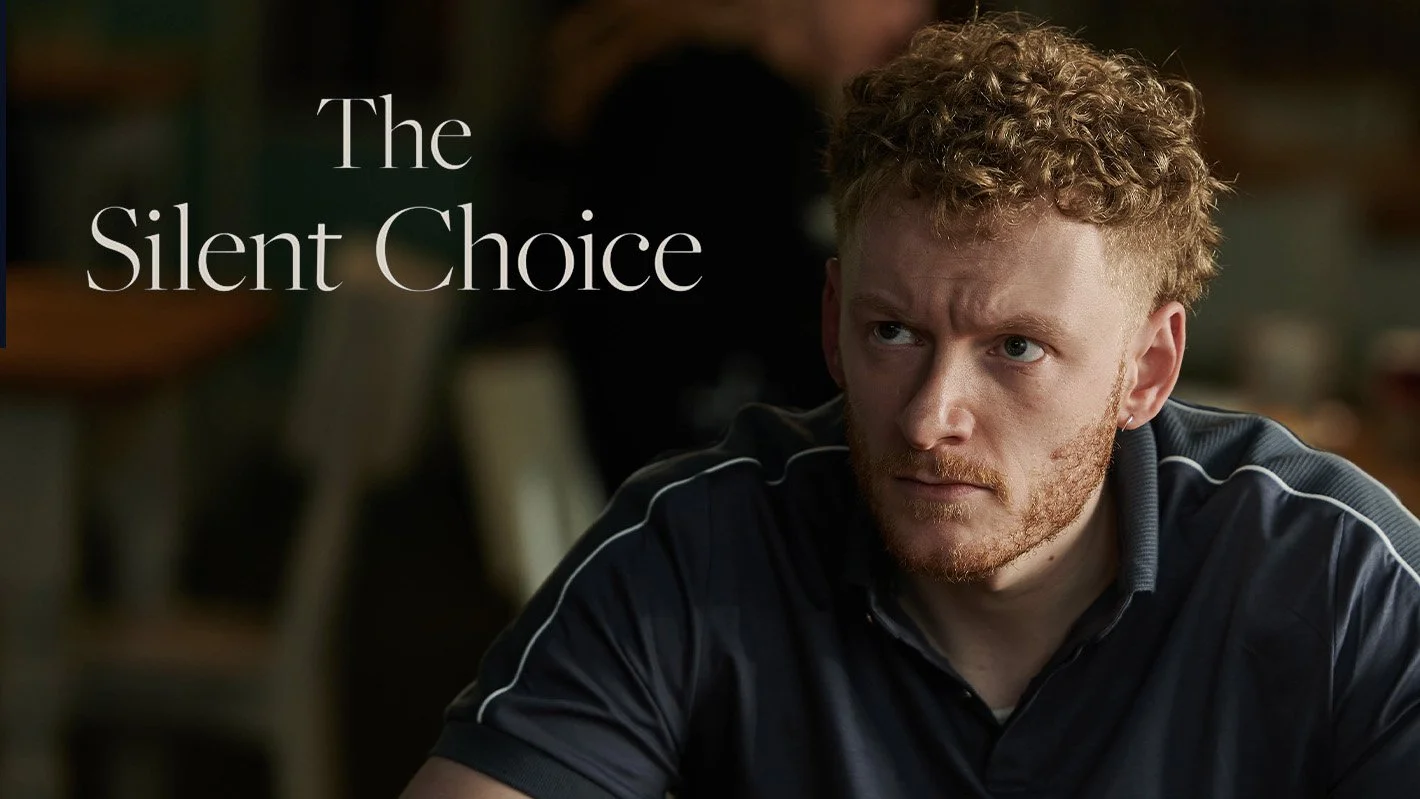
Written, Directed & Produced by Ranw Aso-Rashid
John risks everything for a forbidden meeting with his ex and daughter.
READ OUR INTERVIEW WITH RANW
Welcome to our Weekly Pick!
Apart from what's listed in your bio, tell us about what got you interested in filmmaking and some formative experiences that lead you to where you are now.
I've always loved writing stories from a young age – my earliest memory of writing a story goes all the way back to Year 8 at school.
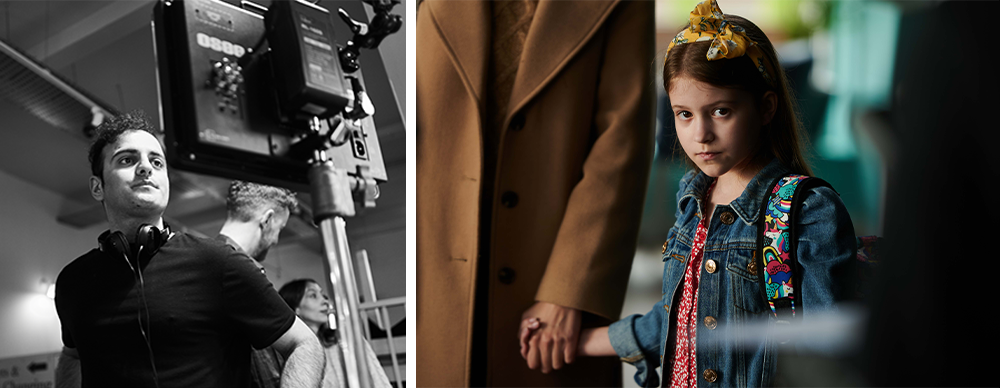
However, I got into filmmaking initially to give my students opportunities to grow and develop themselves. That happened thanks to Simon Horne, who is still the headteacher at Friern Barnet School in North London. He gave me the opportunity to develop a sci-fi project with the Year 10 students to help them build their confidence and skills through film. I didn't realize at the time just how fun and transformative that experience would be. We ended up screening the finished film at the Phoenix Cinema in East Finchley. Looking back, that entire project was my film school. I was learning everything as I went along—dealing with rental houses, looking after equipment, sorting out insurance, working with projectionists, and understanding DCPs. It was a real adventure, and it set me on the path I'm on today.
It's not many filmmakers who are also science teachers. Can you talk about how you've transposed your experiences and skills in education to filmmaking?
Teaching teaches you how to develop real patience when you're standing in front of a class of teenagers trying to engage them in your subject. It also forces you to become a strong communicator and to lead with genuine passion—skills you build both during teacher training and throughout your career in the classroom.
When I became Head of Biology at my school and started leading whole-school initiatives, that experience became directly transferable to filmmaking. Leadership in education teaches you not just how to lead a team, but how to build one from the ground up and find the right collaborators. It has shown me how to shape the kind of filmmaking culture I want to surround myself with—setting high standards, navigating different personalities, and knowing how to manage or steer clear of big egos.
The biggest takeaway I carry from educational leadership into film is knowing who I am and identifying my core, non-negotiable value. During my leadership training with an executive headteacher who still influences and mentors me today, I realized that my core value is respect. Recognizing that gave me tremendous clarity—it helped me understand why certain collaborations in the past hadn't aligned with what I was trying to build, and how to move forward with intention.
That uncompromising focus on standards comes directly from my work in education. In education, a massive part of what we do centers on safeguarding, quality assurance, and outcomes, and every bit of that applies directly to how I run AR Studios. For us, it is never just about the paycheck or chasing a professional opportunity—it is about standards, and knowing how to say no. We put our money where our mouth is: we have turned down investors who didn't meet our standards—even returning money to an investor (who will remain nameless) when standards dropped—and we have walked away from a production mid-process, despite the money already spent, when a main subject's behavior failed to align with our core values. I don't care who someone is; if we aren't aligned on core values, I want nothing to do with them. We aren't in this industry just to make friends – we are here to build a legacy, cultivate long-lasting trust, protect good talent, and keep toxic behavior off our sets.
Most of your filmography is work that you've produced, written, and directed. That's a lot of hats to wear. Can you talk about the challenges and benefits that come with this approach to filmmaking?
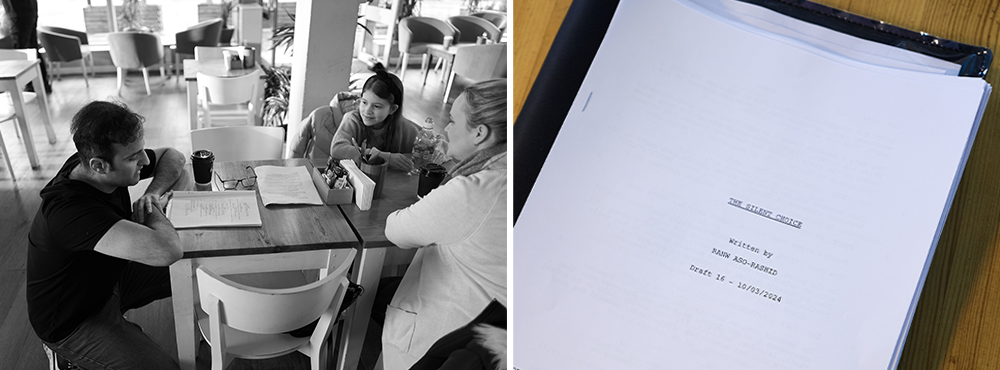
To be completely honest, I had to wear all those hats in the beginning. I had no contacts, no mentors, and no one I could call for advice—I didn’t even know the BFI existed when I first started making short films. I had next to zero understanding of the film industry; I just knew I loved making films.
Strangely enough, I never actually found the workload or the paperwork overwhelming. Coming from education, I was completely used to heavy admin—when you’re planning school trips, there’s a huge amount of paperwork involved, so production paperwork just felt like shorter, more intense bursts of what I already knew. For me, the initial challenges were financial and legal: realizing just how expensive filmmaking actually is, learning how to budget properly, and getting to grips with contracts and entertainment law. Early on, I learned—maybe from my mum—how to negotiate fairly with people, which is a vital skill when you're building relationships with crew and collaborators as you grow.
On set, the key challenge of wearing all those hats—especially if you're producing entirely on your own without seasoned professionals around you—is that your attention gets pulled away from the performances. On shoot days, you aren't able to give 100% of your focus to the actors, which, as a director, isn't ideal. However, when you're working alongside an incredible 1st AD, a great production manager, and fantastic heads of department whom you trust and have built strong working relationships with over the years, you canwear multiple hats and do a really strong job—especially on short films—because you're no longer carrying the producing load alone.
The benefits of starting out by learning through "trial by fire" many times over have been massive, though. Most importantly, you learn the vital relationship between budget, subject matter, and the scope through which you want to tell a story. You learn to be really tough and brutal with the script. You will never have enough time or money making a film, and when you start out with very limited resources from the get-go, you are forced to calculate exactly what it takes to execute a scene a certain way. Keeping your creative ambition and your budget in sync is the single most important lesson I have learned, and I never would have grasped it the way I do if I hadn't started on my own.
On top of that, writing, producing, and directing from scratch with no safety net gives you a deep, practical understanding of every department and how the entire machine works. Now, when I sit down with studio executives, producers, sales agents, talent representatives, and talent lawyers, I can initiate the right conversations and negotiate effectively because I understand how the whole industry operates and moves.
Having that full team of experienced HODs around me for the first time on Whispers of Redemption was a real turning point—it showed me what it takes to drive a project forward at a higher level. Today, as I scale up into feature films, high-end TV pilots, feature documentaries, and larger narrative shorts, I wouldn't produce a project entirely on my own unless there was a specific reason to. At a certain scale, trying to do everything solo is unhealthy and risky—if one part fails, the whole thing can collapse.
Now at AR Studios, we work as a proper team, including three dedicated executive producers who work alongside me. Having worn all those hats early on gives me a real appreciation for what every department carries, so delegating isn't about stepping back – it’s about empowering great specialists for efficiency, productivity, and pushing our ambitions much further together. Above all, starting out by constantly betting on yourself builds an immense level of resilience and a methodical way of bouncing back when things get tough.
Which aspect of filmmaking excites you the most, and which role do you feel most confident in? Are you interested in working with other writers, directors and producers?
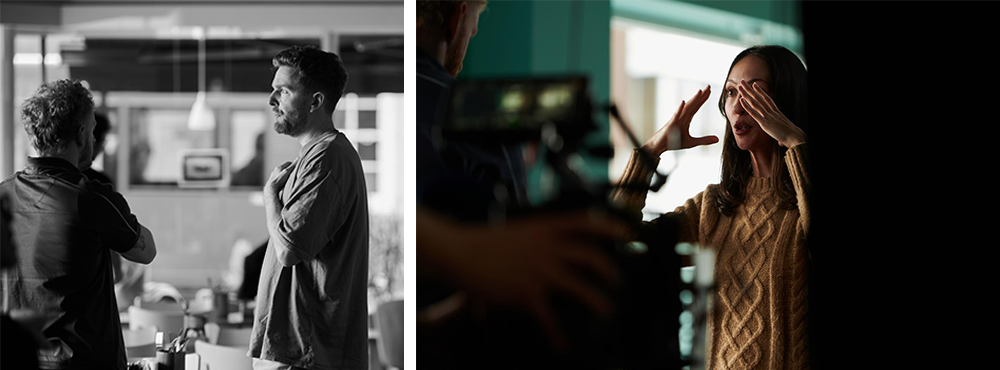
Honestly, this might sound odd, but I love all of it—the long nights, the writing, and especially getting constructively brutal feedback, which I’ve received plenty of on my scripts and projects over the last year and a half.
I’ve been a teacher for 11 years and was Head of Biology for two of those, and I didn’t become the teacher I am today by avoiding feedback. I’m not ashamed to say that when I was training to teach, I was actually failing in my first term. I was training at a very challenging school and found it really, really difficult. Early on, my survival and coping mechanism was to avoid feedback because I knew my teaching wasn't good yet and I wasn't applying what I was being told. It wasn't until I was put on a "cause for concern" support plan that I was forced to confront my own insecurities and anxieties and realize, in my heart of hearts, that I had to change. That became the most important lesson of my career—and one I always pass on to trainees, colleagues, and senior leaders I mentor: you have to listen, because with feedback, we are better.
Today, I genuinely welcome senior leaders walking into my lessons because I know it’s about sharing and building best practice across the school culture. It’s the exact same thing with script development. When you’re investing in script feedback, you welcome it because it makes the work stronger. If you’re precious about notes, it usually means your ego is too big and needs to shrink. I have a saying that I repeat to my team on every call: "The story is the star." We are all just there to serve the story.
Beyond development, I love the sheer thrill of the hustle—finishing a parents' evening in South London and, instead of going home, heading straight across London to Angel to meet an actress (whose name I won't mention) because her manager wants her considered for a lead role. I love not getting home until 1:00 AM, opening my diary, and organizing everything for the next day. I thrive on that momentum and travelling wherever a project takes me.
In terms of confidence, I feel most confident in writing and directing, though I know how to produce inside out. One thing I’ve carried over from teaching—and still use in school today – is knowing how to take an idea and create the exact conditions required for it to grow. That is essentially what producing is: creating the conditions for a story to thrive, which means understanding how to package a project properly.
I am so glad I learned how to do all of that the hard way, before this current wave of filmmakers relying on generative AI to do the thinking, researching, and writing for them. Honestly, I find that deeply self-defeating, because the more people use the technology to offload the creative work, the less capable they become as filmmakers – they trust and rely on the machine instead of building their own instincts. People forget that generative AI models are designed to tap straight into your limbic system: they affirm whatever you feed into them so you get that hit of feeling good and keep coming back for more, which is the exact opposite of the brutally honest feedback you need to actually grow.
On top of that, generative AI isn’t going to do the networking for you. It’s not going to sit in a room with a financier or a talent agent and read the subtle shifts in body language. It’s not going to build genuine trust with a nervous lead actor on a freezing location shoot, or navigate an ego clash between heads of department when you’re losing daylight. It won't fight for a location permit, negotiate a fair deal with a sales agent, or carry the emotional weight of a true story on its shoulders – and it certainly won't teach you how to command a room. Coming back to teaching, I know how to keep thirty-two 16-year-olds engaged on a Friday afternoon after lunch in the very last lesson of the week, and I know how to hold a presence on a school assembly stage speaking to multiple year groups at once. You can only develop that kind of command by putting yourself in real, high-stakes human environments.
As for collaborating – not only am I interested, I am already actively working with other writers, directors, and producers. I can't name them just yet, so watch this space! Short films are brilliant because they act like a laboratory – a testing ground to demonstrate your voice, learn, and grow. As you move onto larger-scale projects, bringing other writers, directors, and producers into the fold becomes essential. That is happening right now at AR Studios, and I cannot wait for these projects to eventually make their way into the public domain.
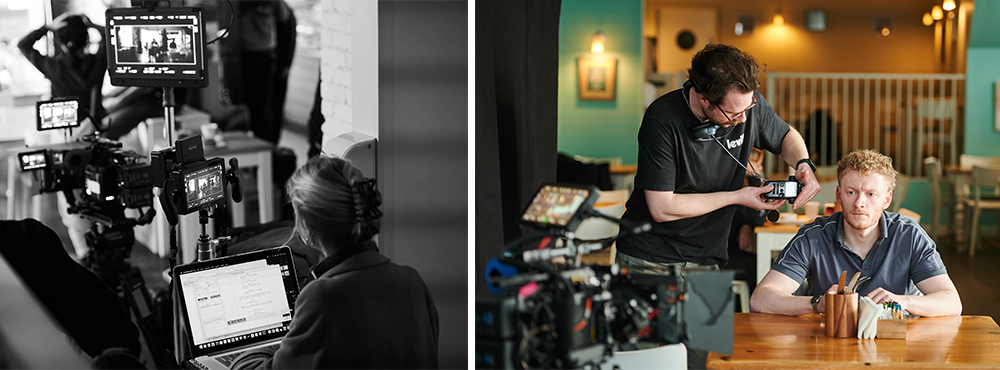
The Silent Choice deals with themes of domestic abuse and coercive control. John (played by Eliot Cable) alludes to sordid past incidents that have forced him into being an absent father. We don't get an extensive peek at what went down in his past to estrange him from his previous partner and daughter, only the aftermath during his attempt at redemption and making amends. What lived experiences did you lean into to inform your writing, or if you didn't have much lived experience to tap into, how did you go about researching these themes in order to breathe life into these character in an authentic way?
First and foremost, after making Whispers of Redemption, I wanted to tackle a tone and style of storytelling that has long influenced me: pure suspense. I am heavily inspired by Quentin Tarantino’s Inglourious Basterds – in fact, The Silent Choice was largely inspired by that iconic opening scene with Christoph Waltz’s character in the French farmhouse, as well as the tavern scene with Michael Fassbender’s character. I wanted to lean heavily into that kind of slow-burn, claustrophobic tension.
In terms of crafting the characters and the dynamics between them, they aren't based on anyone specific that I know. However, working in education for over a decade, you naturally observe a great deal about human behavior, family dynamics, and the subtle ways tension and control operate beneath the surface. Those broader observations, combined with an intense focus on psychological suspense, informed the script across many, many drafts—especially as I took on notes from both the cast and crew to make sure every beat felt grounded and authentic.
Fun fact that many people don’t realize: The Silent Choice was originally supposed to be completely music-free. I wanted to strip away the score to achieve that raw, unfiltered tension we see in Inglourious Basterds. It wasn't until post-production—literally just days before we were expecting the final deliverables from our post house, Platform Post (huge shout-out to Jo Beighton and her incredible team, including our colourist Ella Soryl and re-recording mixer Rebecca Smith)—that I watched it back and realized the film actually needed just a touch of music at the very end to land the emotional weight. Without giving away any spoilers, that process of stripping everything back to dialogue, silence, and subtext was really the heart of how we brought those characters to life.
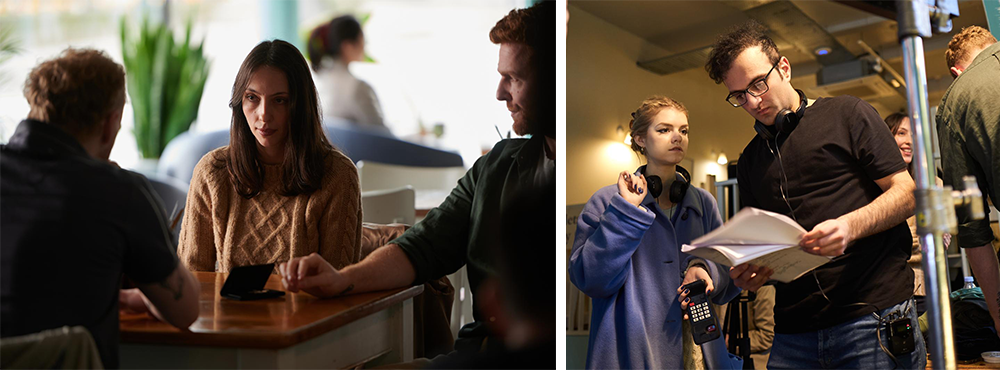
Maria (played by Rosie Lou) is a character that appears to have left her troublesome relationship with John, only to find herself under the coercive control of her new partner Callum (played by Matt Beveridge). Callum and John are opposites in many ways. John has aspects of criminality to his past. Callum is an officer of the law. However, Callum's behaviour throughout the film makes the audience feel more uncomfortable than John ever makes us feel. John seems troubled, but good natured. Callum seems polished, but hiding a dark soul. What are you trying to say by exploring characters with complex contradictions?
At its core, I’m trying to say that you never truly know what darkness someone is harboring beneath the surface, or what demons a person is quietly fighting. Beyond the Inglourious Basterds suspense influence, my initial motivation was to make a film where the audience isn't immediately handed a clear "good guy" or "bad guy." In reality, people aren't that simple—both John and Callum carry their own light and their own darkness.
Even with Callum, it’s layered: the little girl clearly feels safe around him, and children are deeply intuitive about those things, so in some sense he’s fulfilling a protective role. Yet at the same time, it highlights how easily adults can hide behind respectability, or how people around them can avoid acknowledging signs of abuse just to keep the peace.
We live in a very fractured society where a lot of people are carrying deep, unresolved trauma. When that trauma isn't dealt with, it eventually comes to the surface – either through honest, peaceful dialogue, or by exploding destructively. Without giving away spoilers, we see what happens when a character is forced to confront consequence after consequence until they are stripped down to nothing. And in a strangely simple way, that is the great equalizer of any complex character: when someone reaches a point of total defeat, labels like "good," "bad," "right," or "wrong" don’t matter anymore.
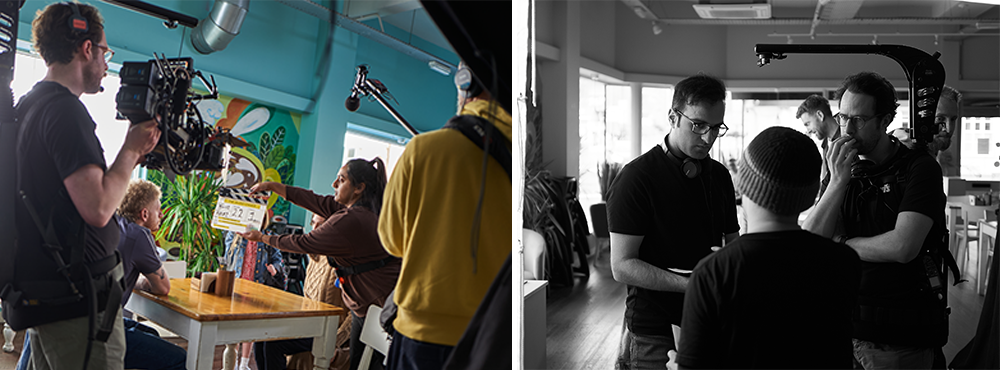
What's next for you? What are you working on?
In 2027, I will be heading abroad to shoot the pilot presentation for my new TV series – an expansion of my 2024 award winning short Our Little Act of Rebellion, which was originally set in Greece. This has been in active development since early 2025 and while it carries forward the thematic DNA of the original film, it elevates the narrative onto a much larger canvas. Romance is not a genre I have explored often, so developing this universe further alongside new creative partners is thrilling. I will also be sharing directing duties on the series, and I am looking forward to announcing both my co-director and co-producers, and our lead actress in due course. We have invested tremendous care into developing the pilot and series arc, and I cannot wait to bring it to the screen. Casting took quite a long time on this series adaptation, and I was careful not to rush it.
In parallel, we have successfully completed packaging on the television series adaptation of our sci-fi short, Project Helios. I wanted to have the packaging completed before the actual short film itself began shooting. Regarding the latter, we are entering the final stages of casting for what will likely be my final short film – an ambitious piece that we will be announcing in the trades in due course.
Within the documentary space, we are halfway through principal photography on my debut feature documentary, The Lost Photography of Kurdistan. It is a deeply personal film about going back to recover the historic archive of my late great-uncle, who was the first known photographer in North-East Kurdistan. Having commenced filming in August, we have completed 15 shoot days across autumn and winter, with production scheduled to wrap next April. Inspired by that documentary, there is also another closely related project that has been in careful, quiet development since August, which will be announced in the new year. Simultaneously, we started filming our second feature documentary last month, and are finalising the details on our third feature documentary, which we have a key investor on, which will also be announced very soon.
On the narrative feature side, we have concluded development on my debut feature script and are actively in discussions with talent. That screenplay underwent 12 months of rigorous development alongside my other commitments, and I owe a great deal of credit to Pete Daly, whose methodical insight as part of my team helped elevate the script greatly. We are also nearing completion on a book screen adaptation I have been developing since the summer of 2025, which is now advancing into its next phase. I was fortunate to connect with an acclaimed British actor last summer who expressed strong interest in both the material and working together, and five weeks ago I also met with an established executive producer who is coming on board – whom I am deeply grateful to, and whom we will be announcing soon. That momentum led to direct conversations with additional talent, alongside attracting the right distributors.
As AR Studios expands its global footprint, we are also preparing to announce a key new addition to our team in the press. Navigating a slate of this scale requires precision, contracts, and strict intellectual property protection, and I must credit my lawyer, who has been instrumental in ensuring AR Studios scales up securely and strategically.
None of this has come without personal sacrifice. Virtually every project I have produced to date has been self-financed through my teacher’s salary and personal savings. There has never been a safety net—only a willingness to bet on myself. People often assume teachers get a nice, long summer break, but I had no holiday this summer—I was working on these projects every single day, and in fact, I haven't had a proper holiday since the summer of 2024. In my view, that is the true crucible for becoming a resilient, bankable filmmaker: enduring the quiet, demanding seasons where you are the sole person championing the vision, financing the crew, and maintaining momentum through sheer discipline and adaptability.
My long-term ambition for AR Studios is straightforward: I intend to build it into one of the world’s premier production houses, and I am dedicating the decades required to achieve that. When you operate with a long-term horizon, delay gratification, and eliminate the noise to focus purely on the signal, the progress compounds. There are many more projects in motion, though these are the ones that come to mind at 1:17 AM (which is the time I am writing this!!) while I am marking Year 11 and Year 13 exam papers and preparing to teach later this morning. Sustaining that pace demands immense compartmentalisation, resilience, and mental agility – qualities that define how I lead every set I step onto.
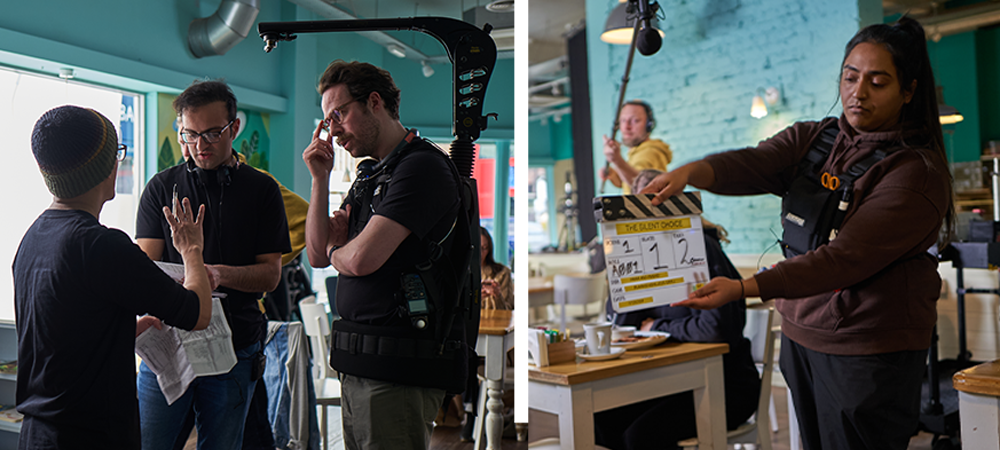
Any film recommendations that we should add to our watch list? Give us a short, indie film/classic, and something mainstream and new that's really captivated you this year.
A Short: I’d recommend Day Release, starring Lewis Jamison. It’s still doing the festival circuit and has already won some awards – it’s a really strong piece of work and definitely worth seeking out.
An Indie: If people are interested in culture and exploring a world outside their own, I’d invite anyone to watch Iraq's Invisible Beauty. It’s an extraordinary documentary about the pioneering Iraqi photographer Latif Al-Ani from Baghdad, and it actually served as a big inspiration for my own debut feature documentary, The Lost Photography of Kurdistan.
A mainstream classic film: I honestly haven't had much time for brand-new cinema releases this year, so I’m going to go with an all-time mainstream classic instead: Rush Hour 2. It’s a massive favorite of both mine and my father’s because of the memories I have watching it with him (and if anyone hasn't seen Tony Scott’s Man on Fire with Denzel Washington either, throw that onto the list too!).
